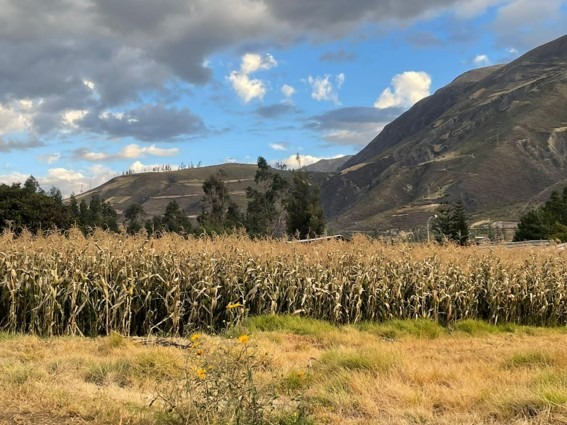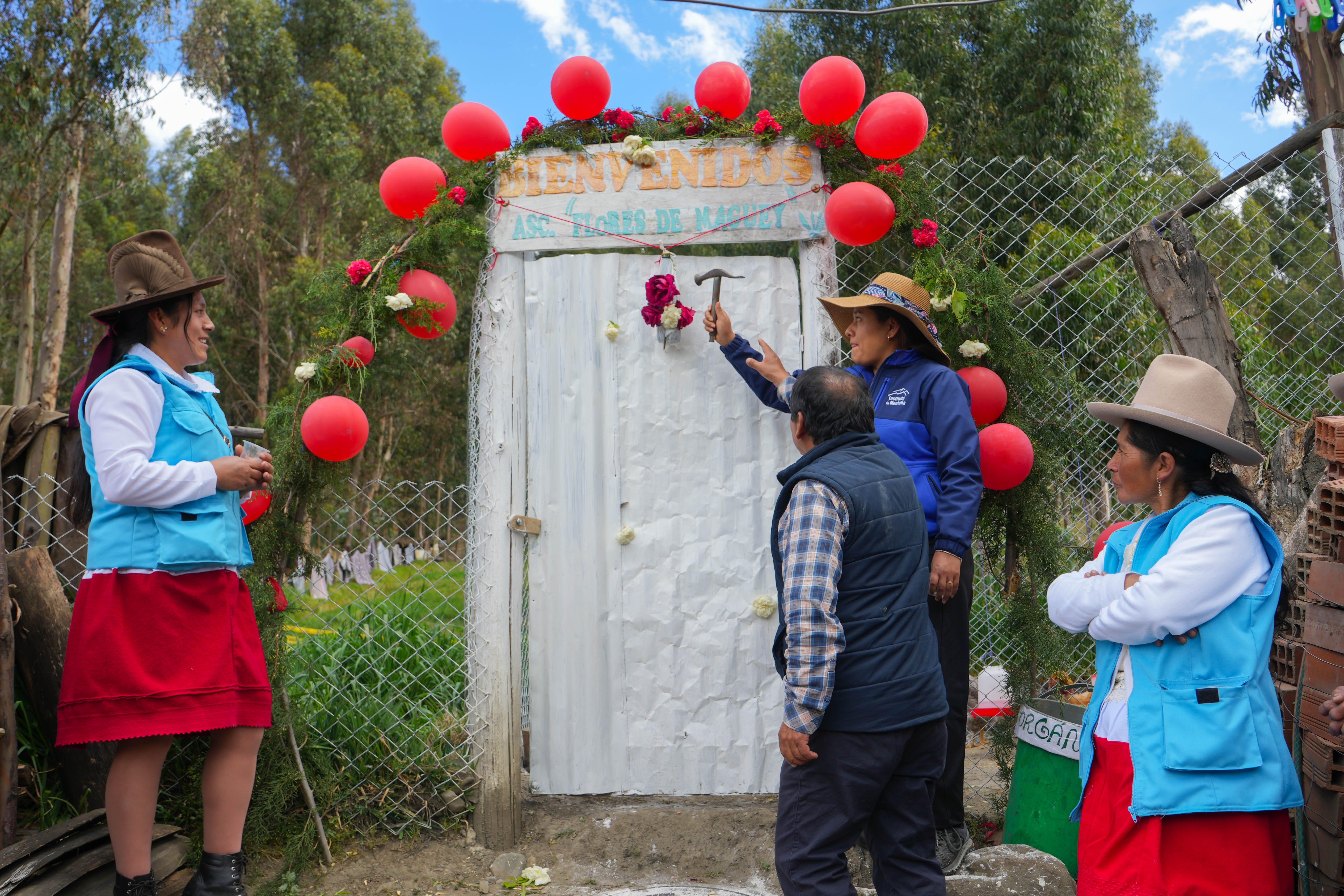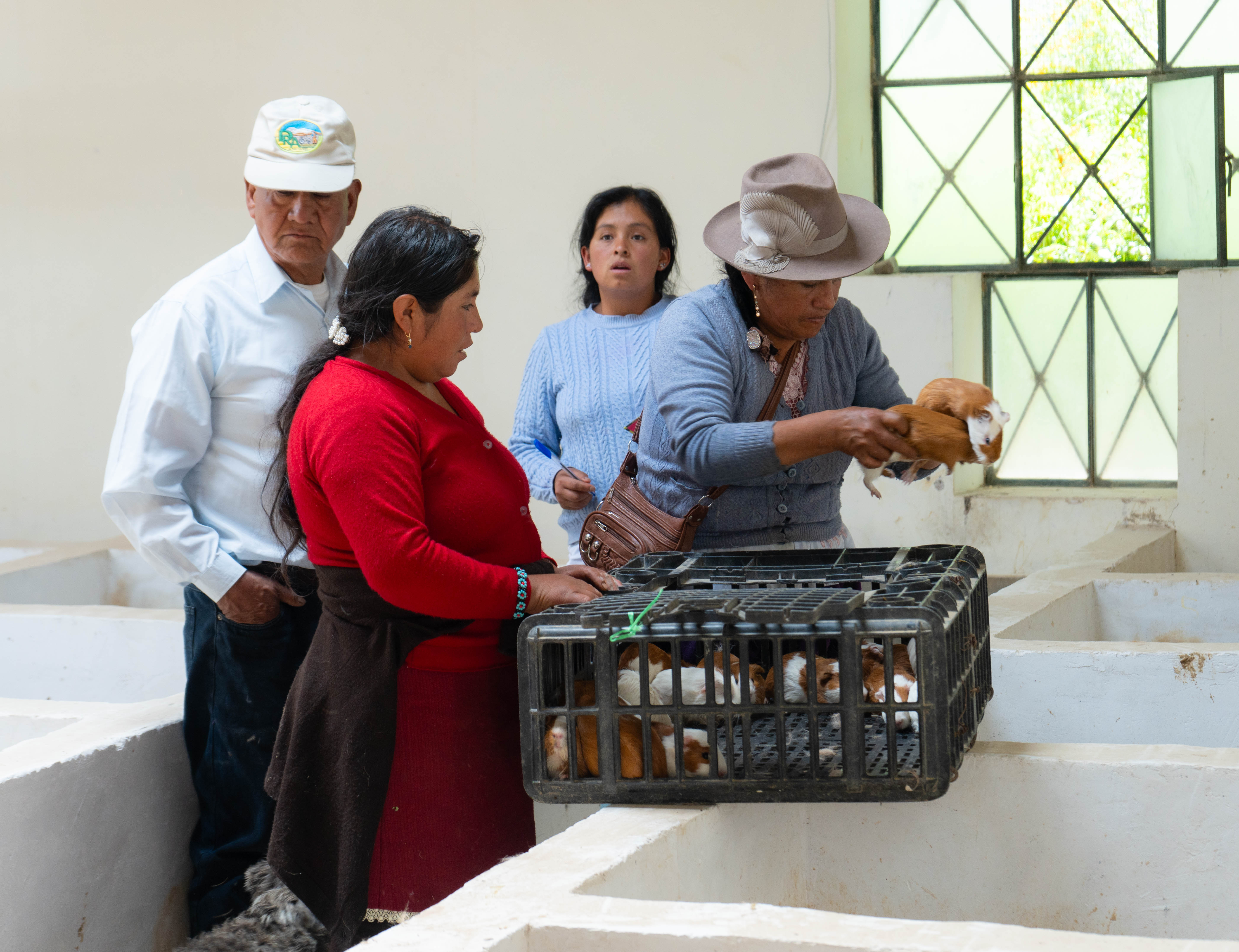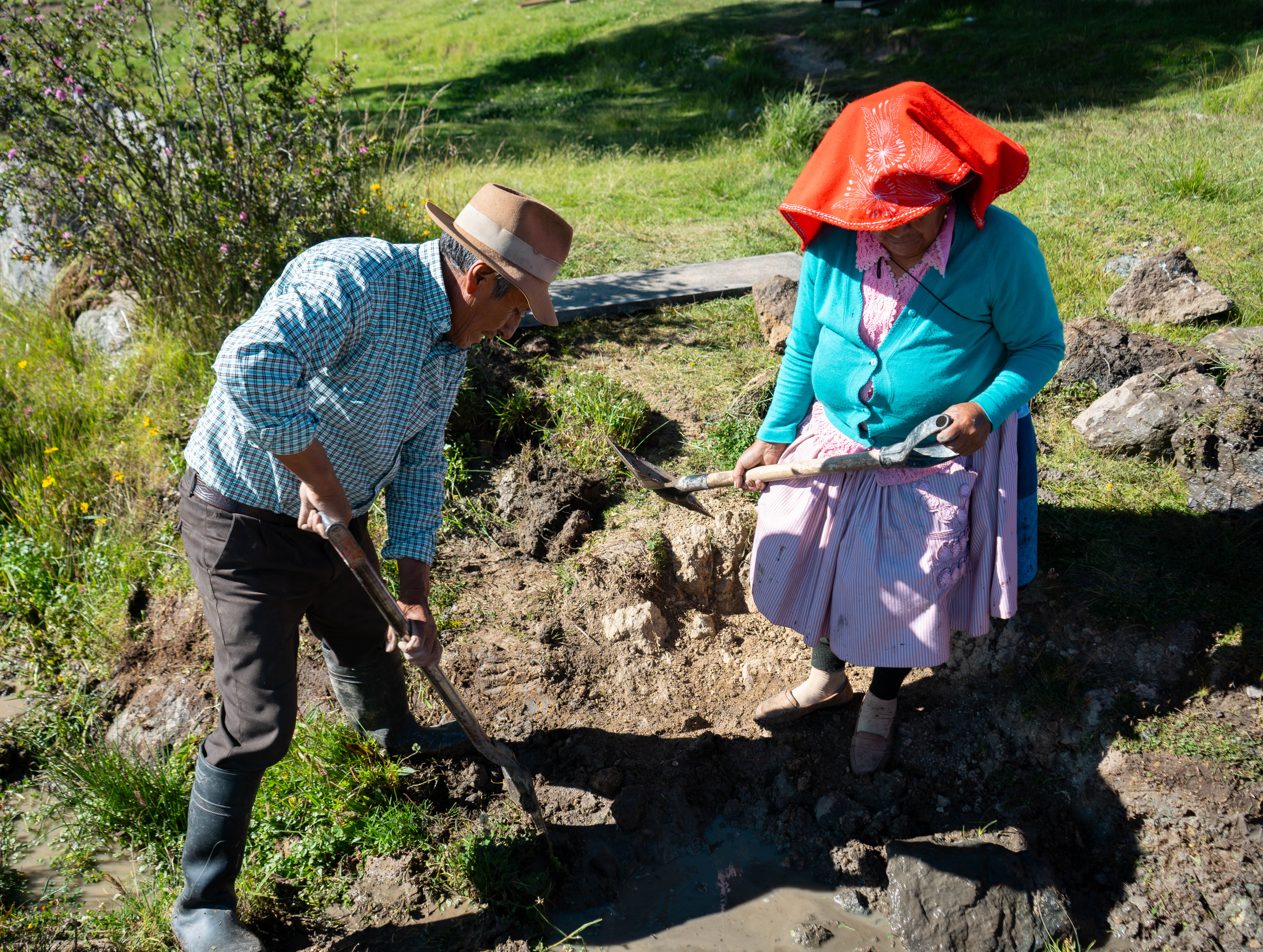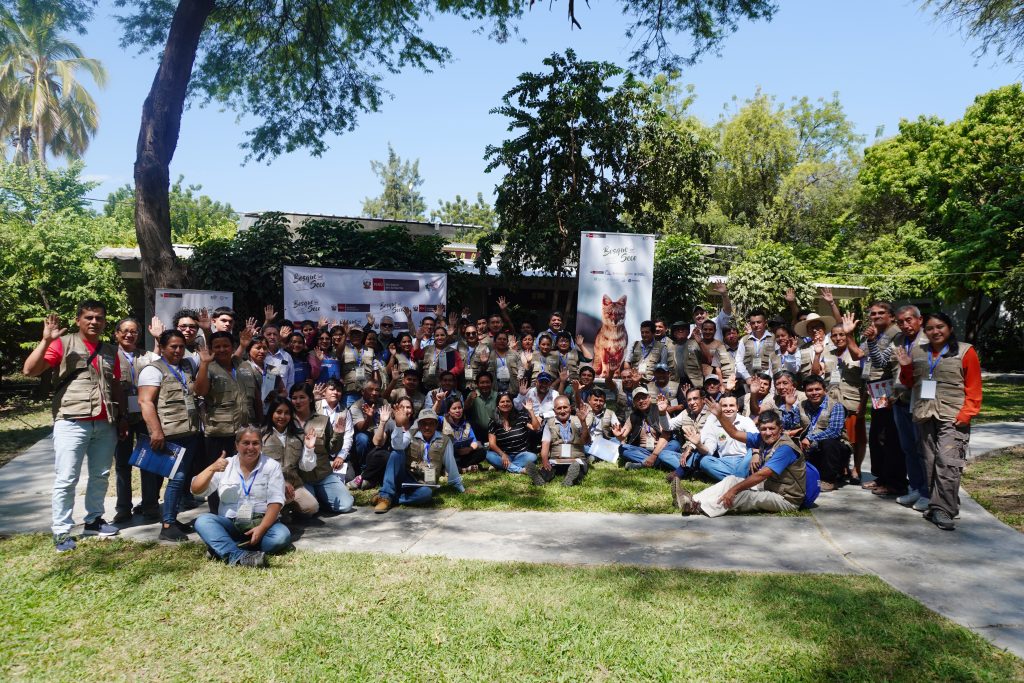
From July 11 to 13, the Dry Forest Project held a specialized course-workshop for managers of Private Conservation Areas (PCAs) and Other Effective Area-based Conservation Measures (OMECs) in the dry forest ecosystem.
This meeting in Piura brought together representatives from 18 areas, 9 of which are located in rural communities, and officials from the Natural Resources Managements of Tumbes, Piura, Lambayeque and La Libertad. The main purpose of the initiative was to strengthen the technical, organizational and regulatory capacities of local actors who lead conservation from their territories.
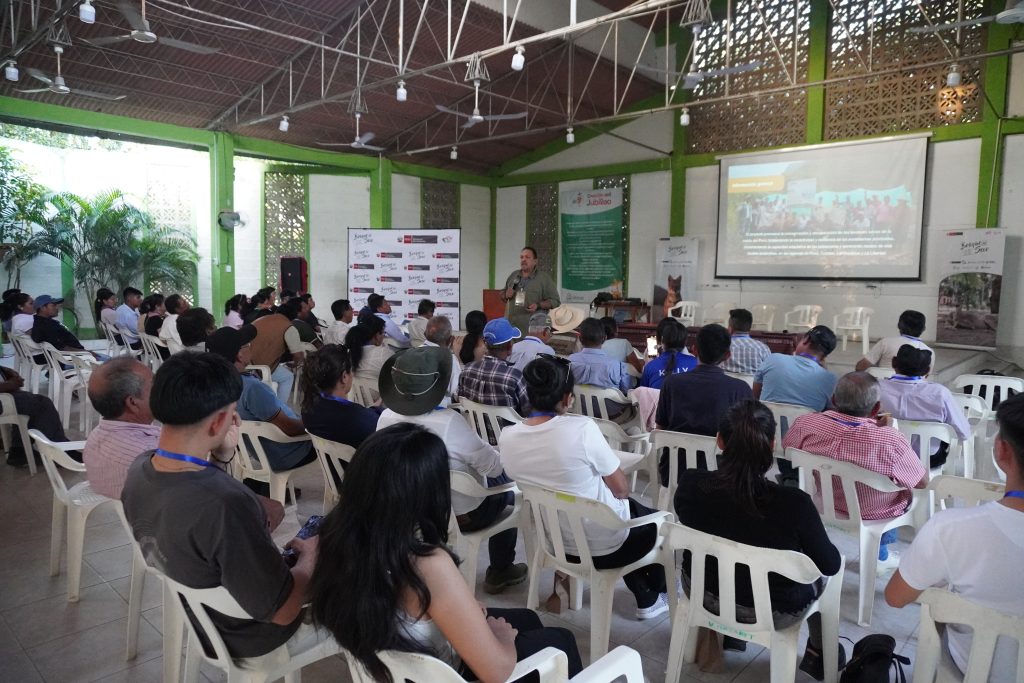
Photo: Profonanpe
Over three days, participants were trained on key topics such as adaptive governance, environmental education, monitoring and surveillance under a regulatory approach, forest fire prevention and nature-based solutions (NBS), including restoration and sustainable production.
“We have managed to bring together conservation managers from all regions of the dry forest, in a space designed from a deep diagnostic work and articulated with the territories. This process represents the Project's commitment to effective conservation, which strengthens those who are in the first line of defense of the forest,” said Sergio Lazo, coordinator of the Dry Forest Project.
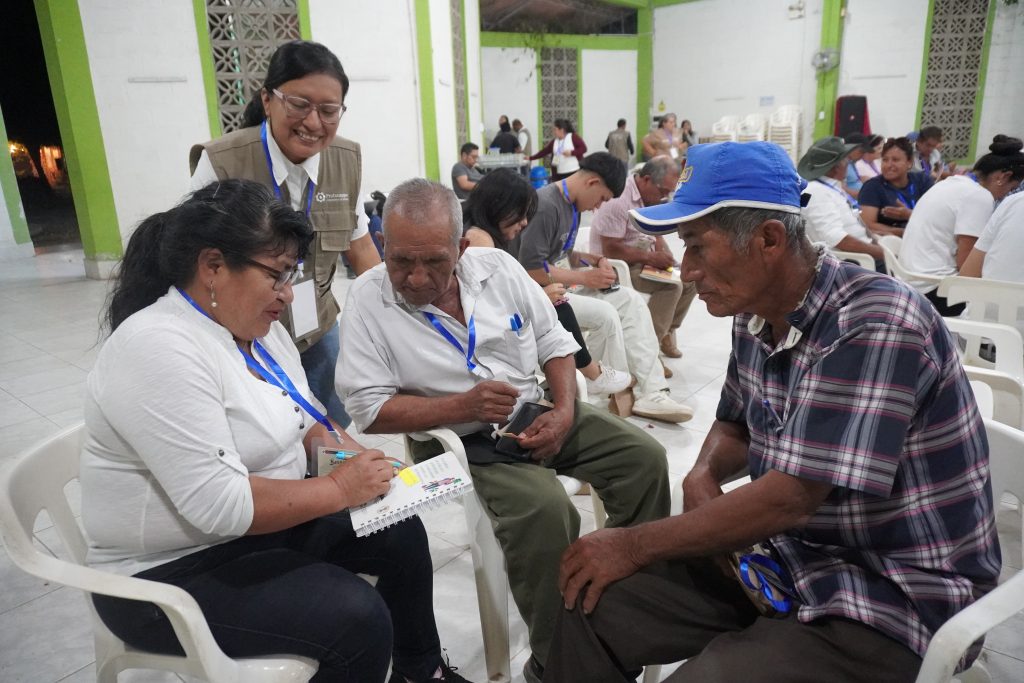
Photo: Profonanpe
For its part, Marco Arenas, director of Biological Diversity of MINAM and national director of the Dry Forest Project, highlighted the importance of this type of decentralized and technical processes: “From the Dry Forest Project we reaffirm the commitment of the Ministry of Environment to evidence-based, decentralized conservation with a territorial approach. This intervention was designed on the basis of diagnoses, and allowed us to address specific gaps in governance, regulatory control and productive sustainability. The high participation of rural communities and regional governments reinforces the legitimacy and impact of this conservation model”.
In addition, as part of the efforts to strengthen local capacities in control and surveillance, on the closing day of the workshop, the Dry Forest Project delivered 17 GPS units to the Private Conservation Areas (ACP), a tool that will improve registration, monitoring and patrolling, facilitating the planning and documentation of interventions under technical criteria and in coordination with regional authorities.
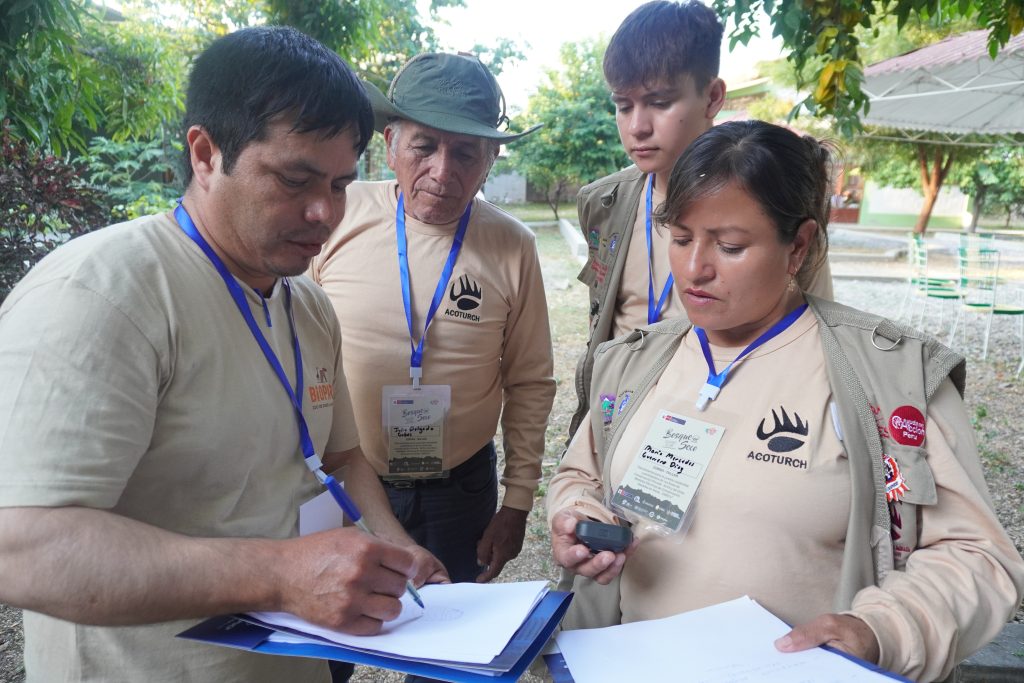
Photo: Profonanpe
This activity marks the beginning of a second strengthening stage. In the short term, a cycle of eight virtual sessions will be implemented to consolidate the lessons learned. In addition, the technical team of the Dry Forest Project will provide on-the-ground support so that the areas can develop their management instruments, formalize control and surveillance committees, and coordinate their work with regional conservation systems.
The Dry Forest Project, led by MINAM, seeks to consolidate a conservation model that is born from the territory, with local leadership, participatory approach and long-term sustainability. The dry forest ecosystem, one of the most threatened and valuable in the country, requires this type of coordinated, technical and forward-looking actions.
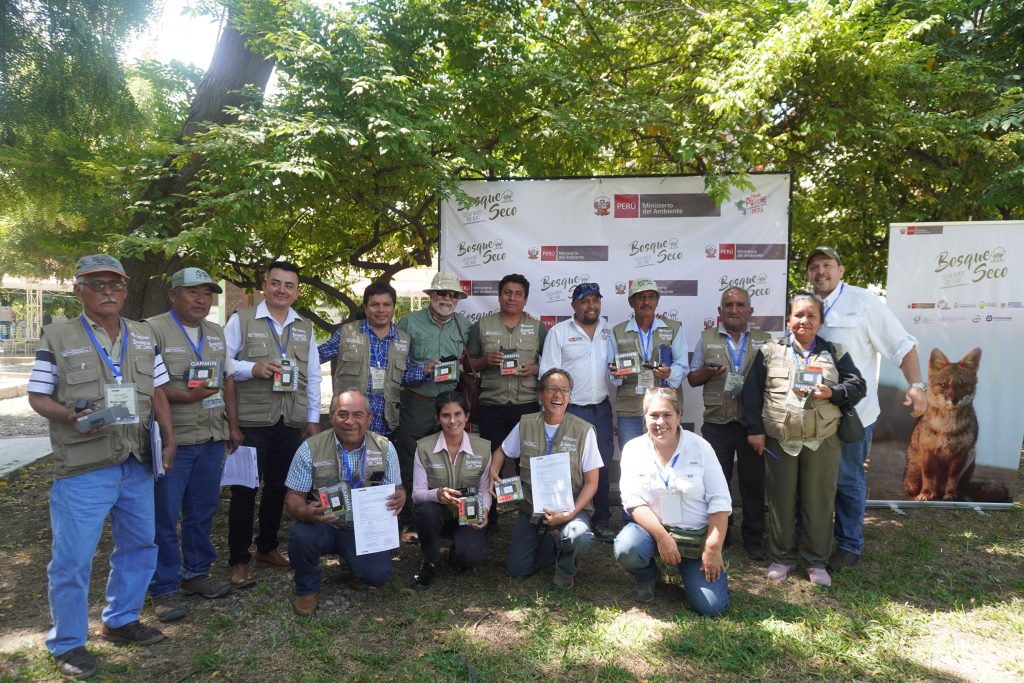
Photo: Profonanpe
About the project “Dry Forest of the Northern Coast of Peru”.”
Dry forest ecosystems are crucial for climate change adaptation and mitigation, as they harbor great biological diversity and provide essential ecosystem services for local communities.
The “Dry Forest of the Northern Coast of Peru” project is an initiative financed by the Global Environment Facility (GEF) and executed by the Ministry of the Environment. It is supported by the Ministry of Agrarian Development and Irrigation, FAO, IUCN and Profonanpe. Learn more here.