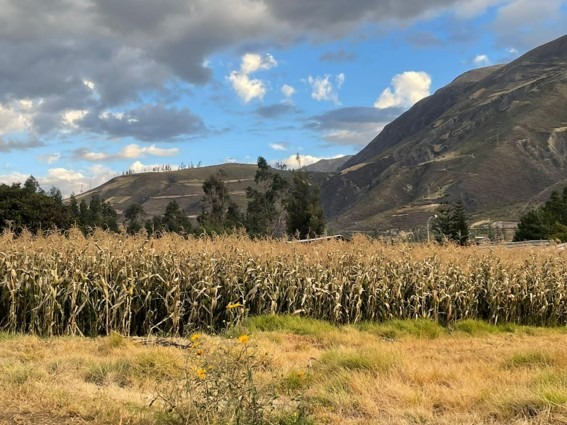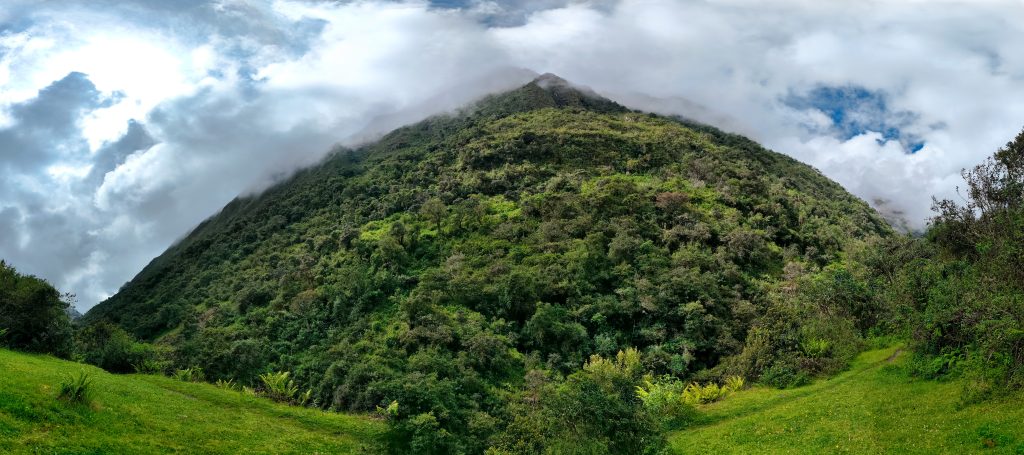
Panoramic view of the proposed private conservation area - Huata
Photography: Jonathan Chancasana
The proposed implementation of the Huata ACP has allowed the development of workshops focused on the textile and pedagogical process, as well as the implementation of a community nursery.
Since July 2024, a number of activities have begun to transform local perceptions of conservation and have The Huata Private Conservation Area (PCA) proposal has attracted increasing interest. Developed intermittently since the beginning of the project, these initiatives maintain the vision of self-sustainability.
These include activities such as environmental education aimed at children and adolescents, the embroidery as a productive alternative for mothers, and a community nursery oriented to the general population.
In addition to training and learning, the actions carried out have achieved raising community awareness regarding the message that conservation not only protects the natural environment, but can be an opportunity for sustainable development.
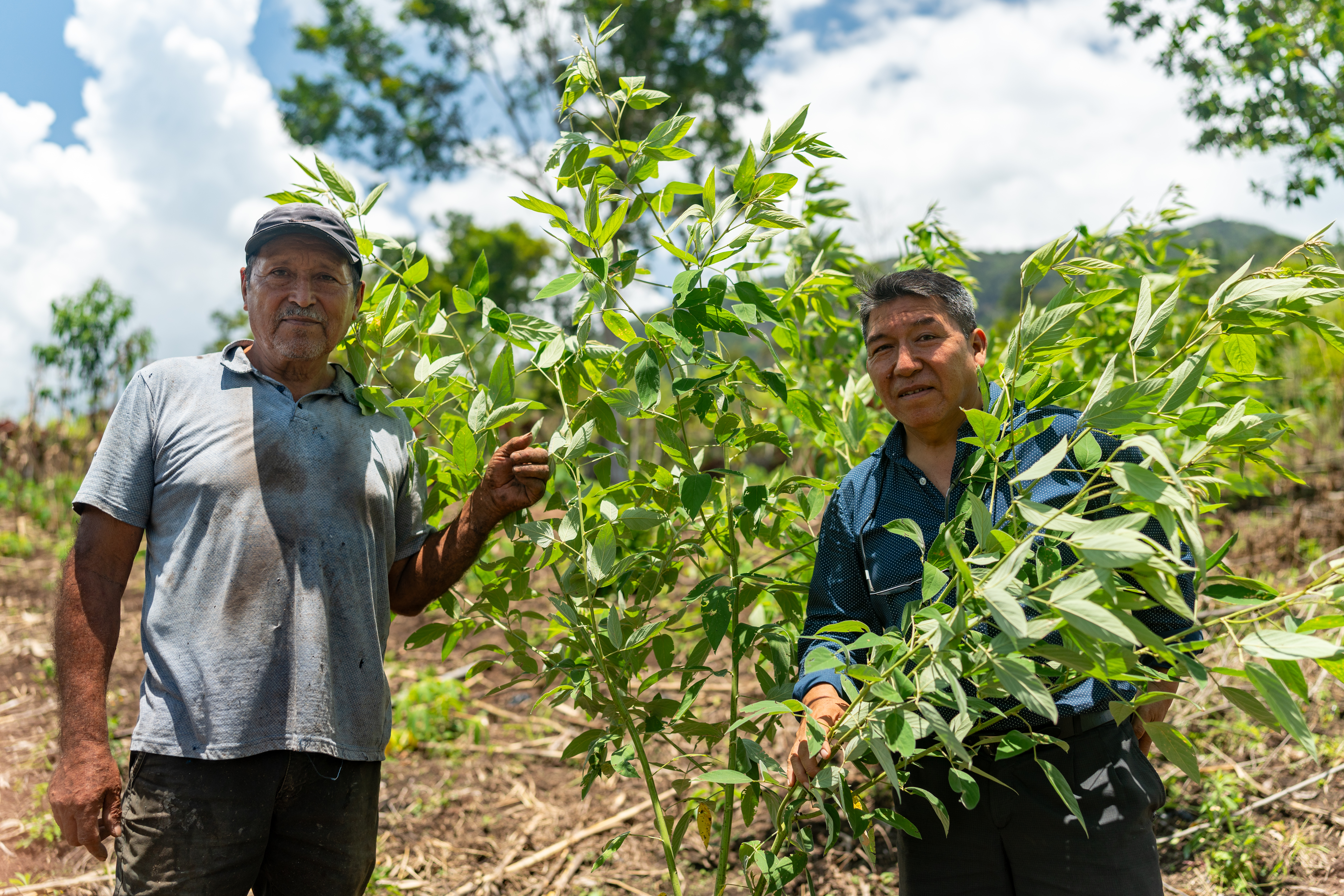
Community nursery: restoration and sustainability
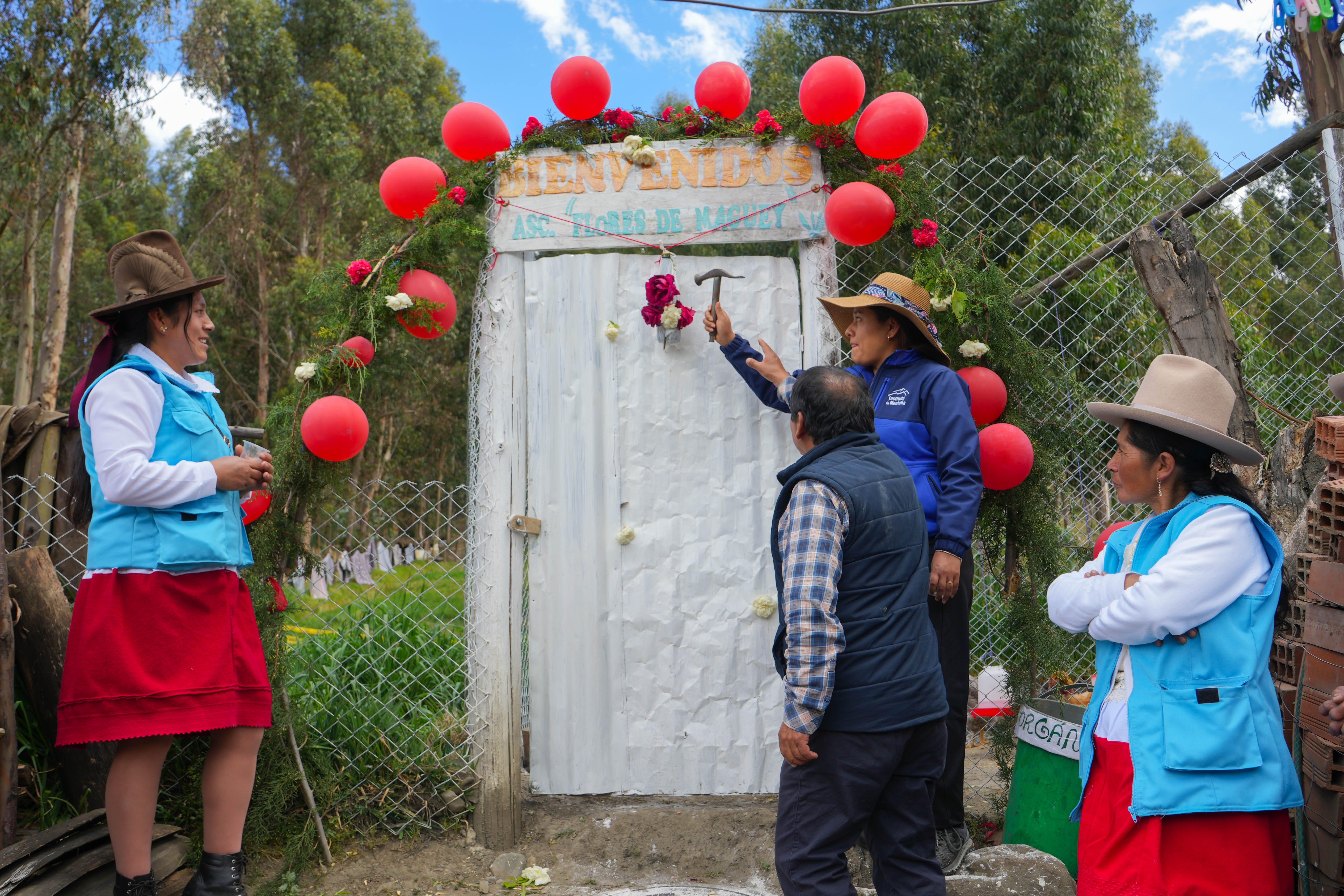
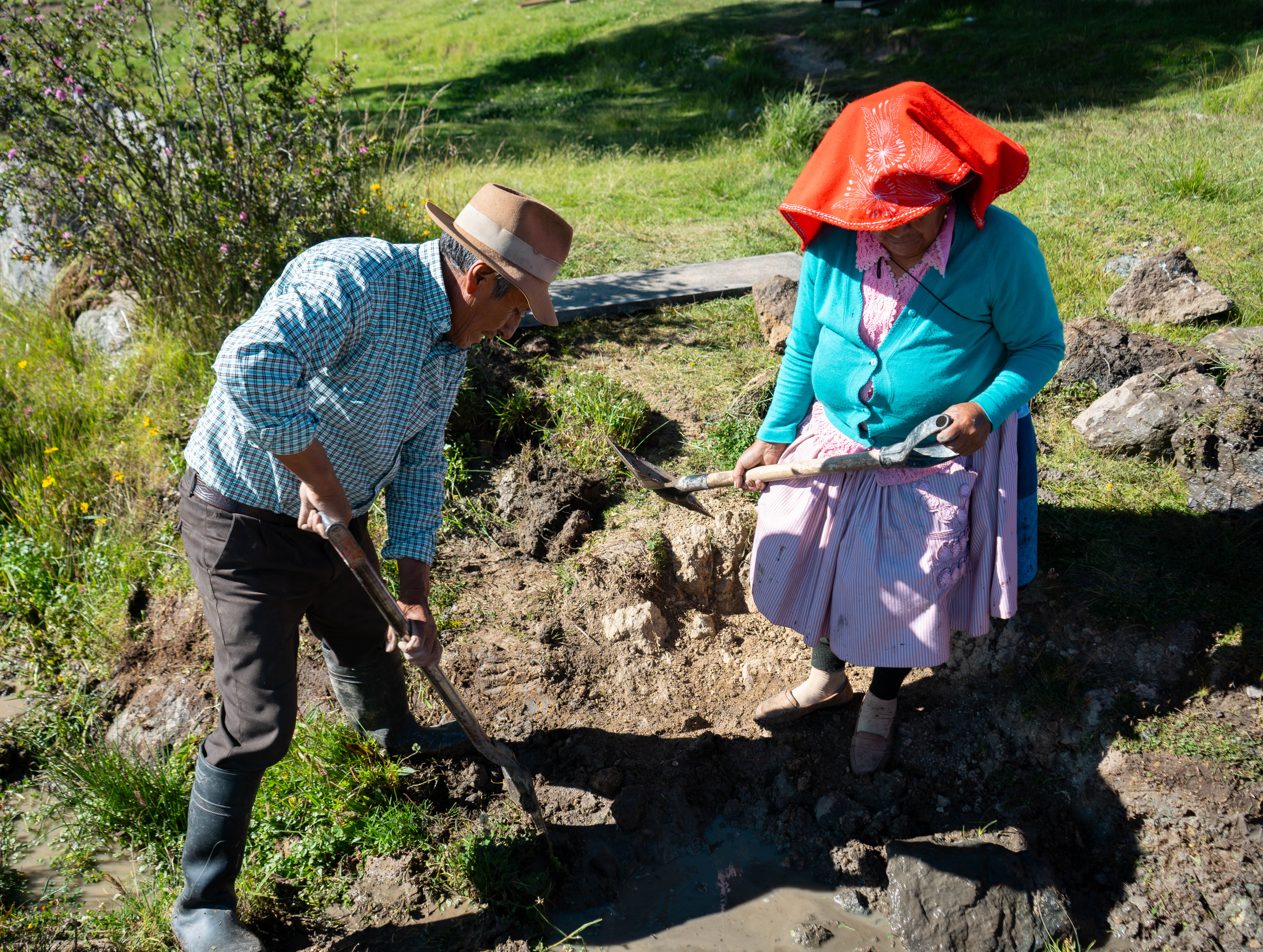
One of the first strategies that helped promote conservation actions in the ACP was the installation of the community nursery in Huata. Its construction responded to the increasing deforestation observed in the area, the change in land use for agricultural purposes and the negative effects of forest fires, such as the loss of native biodiversity.
With the communal nursery, different short- to long-term sustainable recovery strategies were initiated. Its main objectives are the propagation of native species for restoration y production of agrosustainable species of interest to the community., to strengthen local agroforestry systems.
Prior to implementation, coordination meetings were held to define the working group and the location of the nursery. The support of the villagers, together with the social projection group “Sumaq Allpa Tarpuy” of the Universidad Peruana Los Andes, allowed the installation of the nursery and the following results:
- The construction of a communal nursery of 30 m².
- The consolidation of a board of directors and a work team made up of the following members 13 commoners.
- The planting of 542 avocado seeds with 72 germinated to date, This allowed training in sustainable agroforestry to a population that has it as one of its main agricultural activities.
- The collection of 450 cuttings, 50 cuttings and 11 seed species of various native species. All this material is in the nursery of the Universidad Continental -a collaborating institution-, where it is being treated for its future use in the restoration and propagation of species.
This activity has achieved encourage community participation and promote the idea that conservation and productivity can go hand in hand. Through the implementation of sustainable agroforestry or the restoration of degraded areas, the community has begun to internalize the importance of a balanced and sustainable community development.

Seedling nursery production
Photography: Leidy Pallarco
Embroidery workshops: art and conservation
On the other hand, in view of the growing expectation of the creation of the ACP, the residents have shown interest in the conservation can also become a family's economic livelihood. They even want it to be linked to the preservation of the species of interest together with art and tradition, to achieve a deeper connection with their natural and cultural environment.
In this sense, the embroidery workshop initiative seeks to strengthen the skills of the women of the community, promote creativity and rescue traditional techniques that the community maintains.
In the first session, participants learned about basic embroidery stitches and were introduced to the importance of depicting native birds and plants in their designs. Thus, not only did they reinforces local identity, but raises awareness of the value of biodiversity in its environment.
Through these proposals, it is also possible to revalorizing customs and identities, reconnecting the Huata community with its territory through artistic expressions.
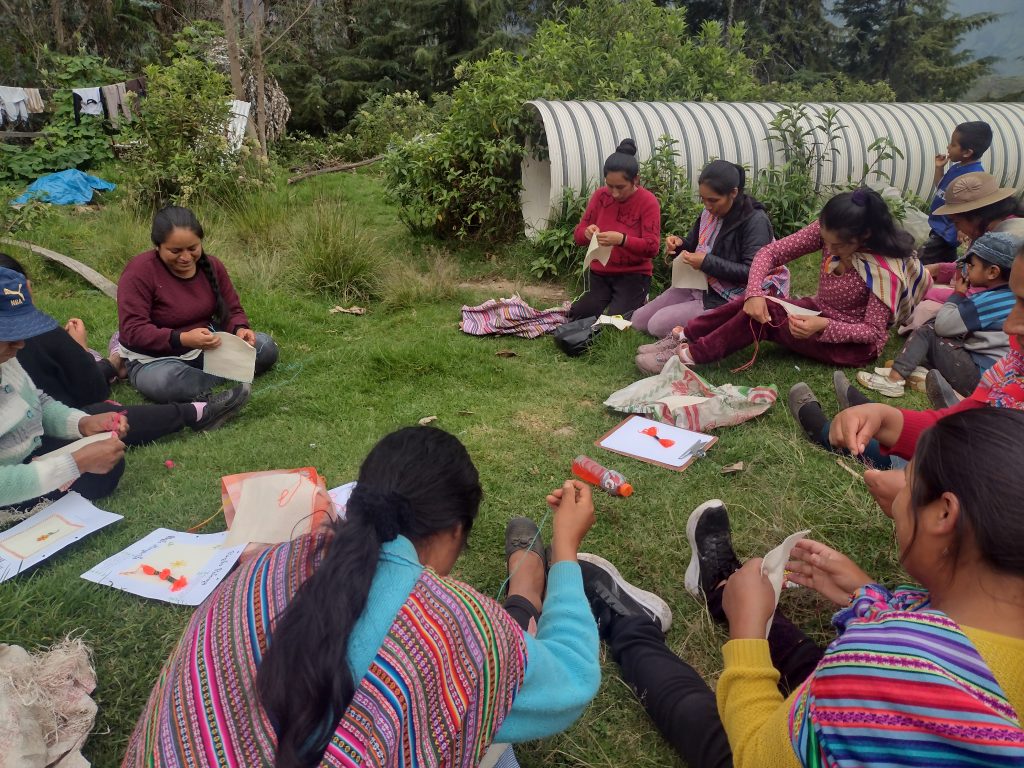
Mothers of families gathered at the embroidery workshop
Photography: Mishell Aquino
Environmental education: training promoters of the future
How can we get people to recognize and understand the importance of their natural resources? Since the beginning of the implementation of the ACP, it was observed that the people of Huata showed great interest in recognizing, understanding and knowing the relevance of the species within the ecosystem. For this reason, environmental education has been a fundamental pillar of the project.
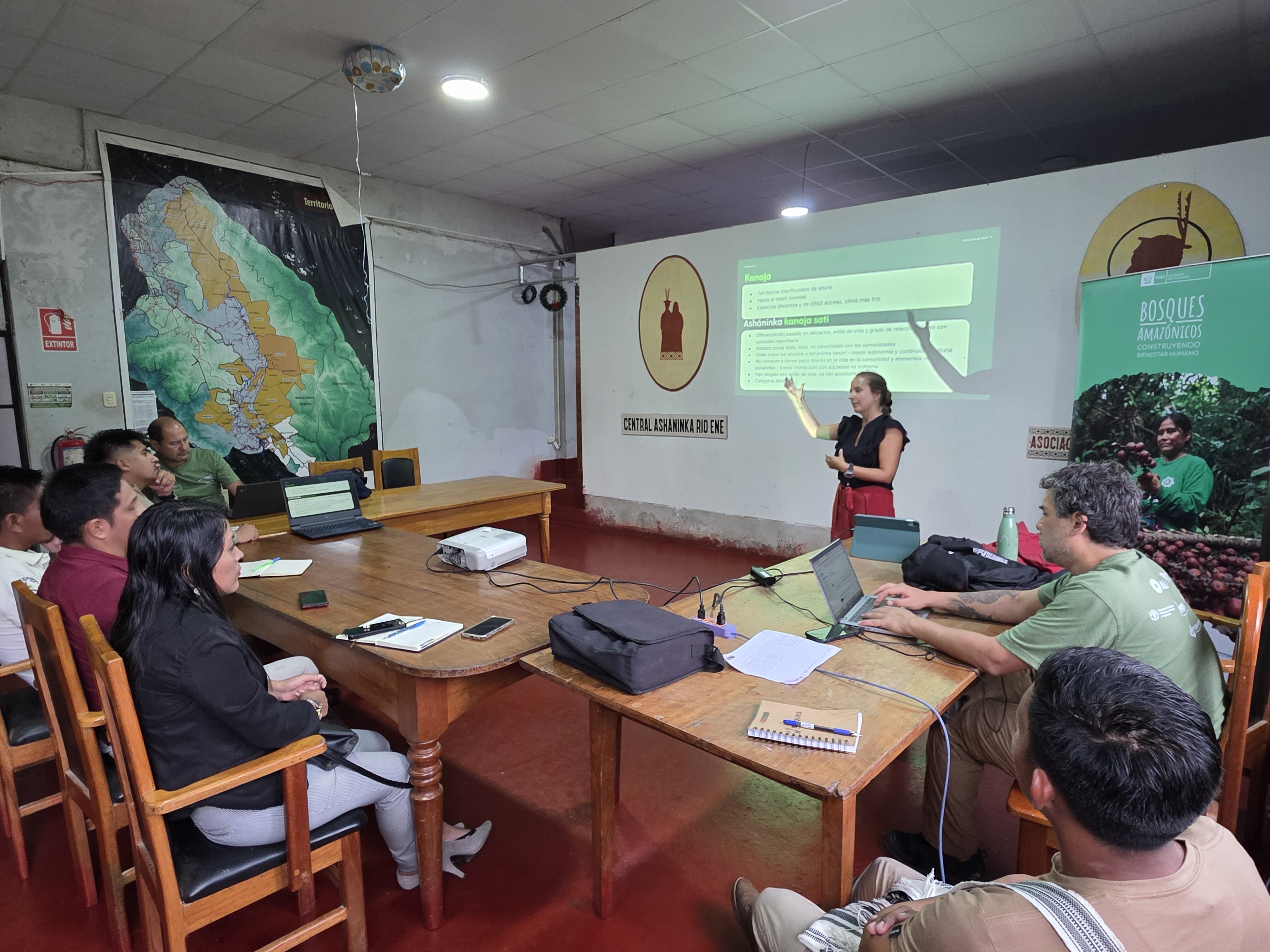
Implementing it seeks to raise awareness from an early age about the importance of conservation. Through interactive and dynamic workshops, we have worked with Huata's educational institutions in order to sTo make your students aware of the value of biodiversity and the role they can play in protecting it.
This process included the presentation of a plan to parents and the holding of five workshops on specific dates:
- “Getting to know my birds”: October 14, 2024
- “Rainbow Walk”: October 15, 2024
- “Getting to know my environment”: November 18, 2024
- “A day with wings”: November 19, 2024.
- “Ecosystem doctors”: December 16, 2024
In addition, a presentation of the achievements was made to the parents of the community during the year 2024. This made the impact of the environmental education program visible and reinforced the need to integrate conservation into the community's daily life.. Through these actions, we also seek to to form a new generation of intergenerational environmental promoters committed to the protection of their environment.
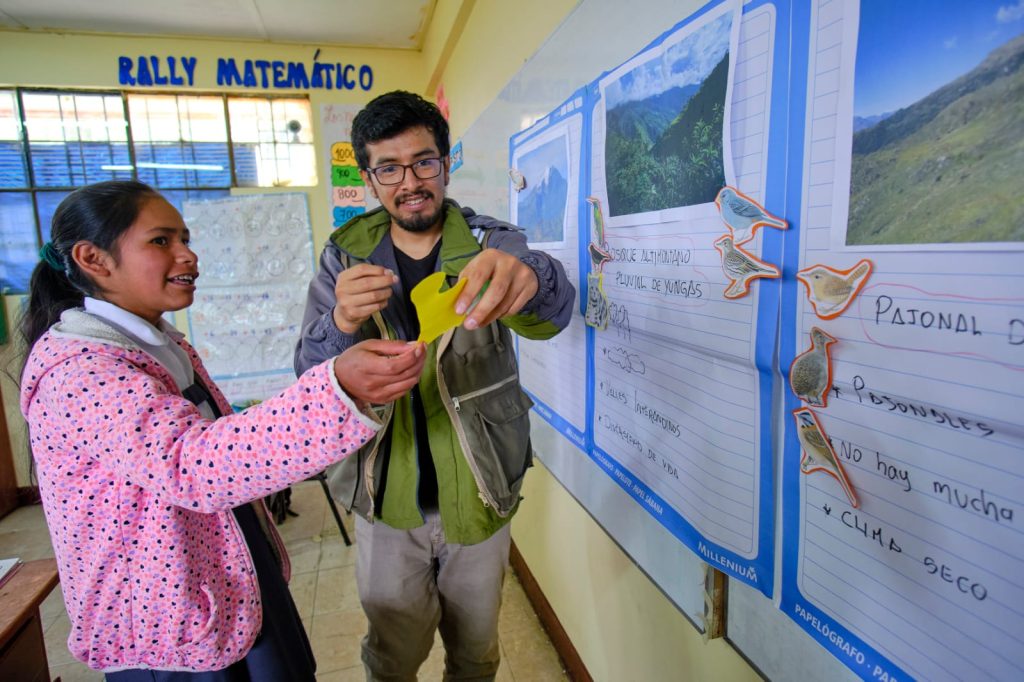
Ecosystem environmental workshop in the community of Huata
Photography: Jonathan Chancasana
A sustainable future for Huata
In short, we are already seeing the initial steps for a community paradigm shift, which is also beginning to transform the local perception of conservation. All this, thanks to the proposed implementation of the Private Conservation Area.
Environmental education, the community nursery and the embroidery workshops demonstrate that it is possible to strike a balance between community development and biodiversity protection.. The commitment of the inhabitants and the joint work with various institutions are making it possible to to lay solid foundations for the consolidation of the Huata Private Conservation Area.
As these initiatives grow stronger and become self-sustaining, the idea that the conservation is not a constraint, but an opportunity for the well-being and development of the entire community. The change in the communal paradigm that is being generated by the creation of the ACP is helping to generate new spaces for conservation.
In order to give continuity to the development of these activities, each strategy will continue to be improved and new conservation actions will be implemented. In this way, it will be possible to strengthening the community's commitment to preserve and care for natural resources. It is expected that this change will be embraced by the villagers after achieving the creation of the ACP in perpetuity.
Join us
Fressia Ames Martinez
ANDINUS President and researcher
fressiames@gmail.com