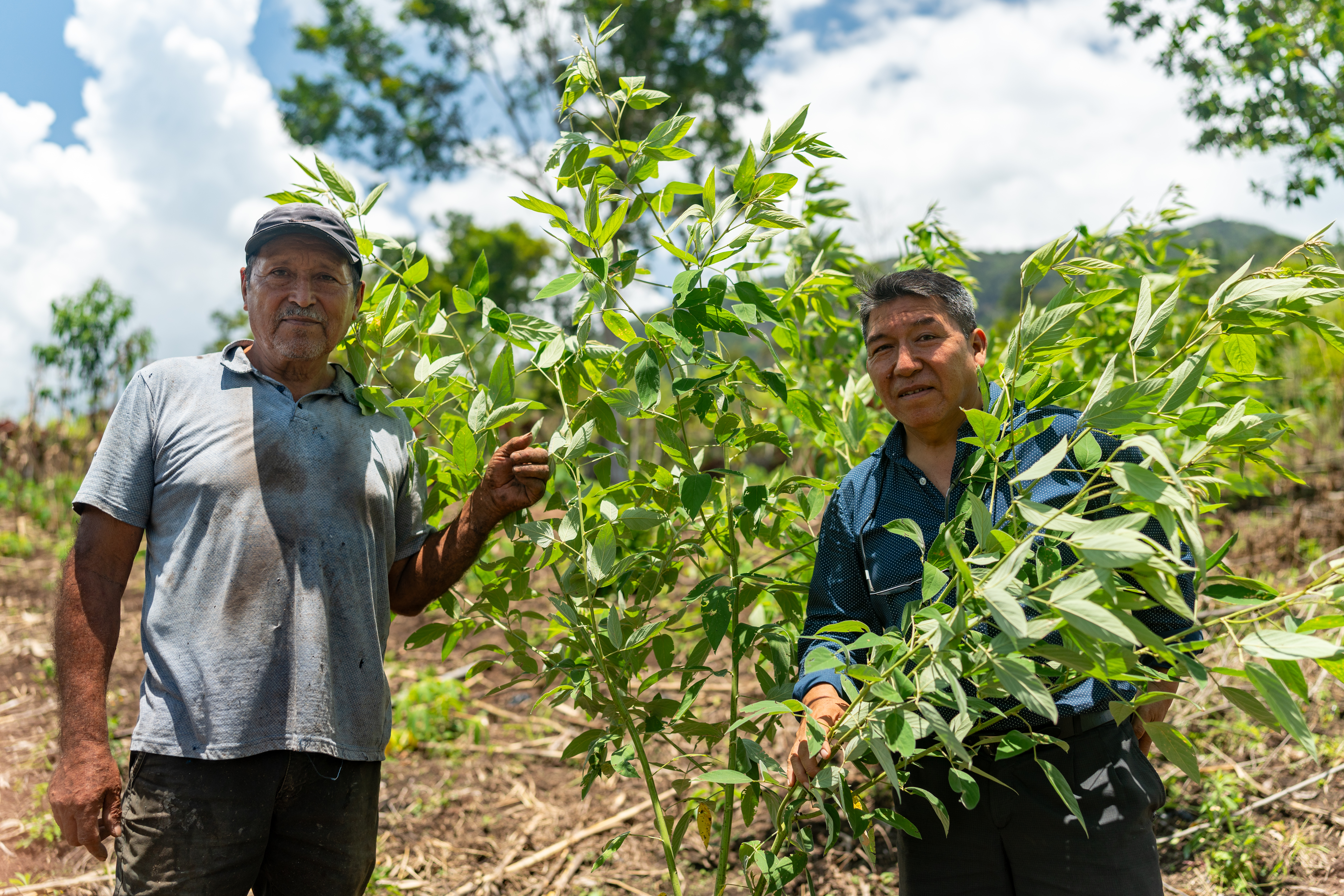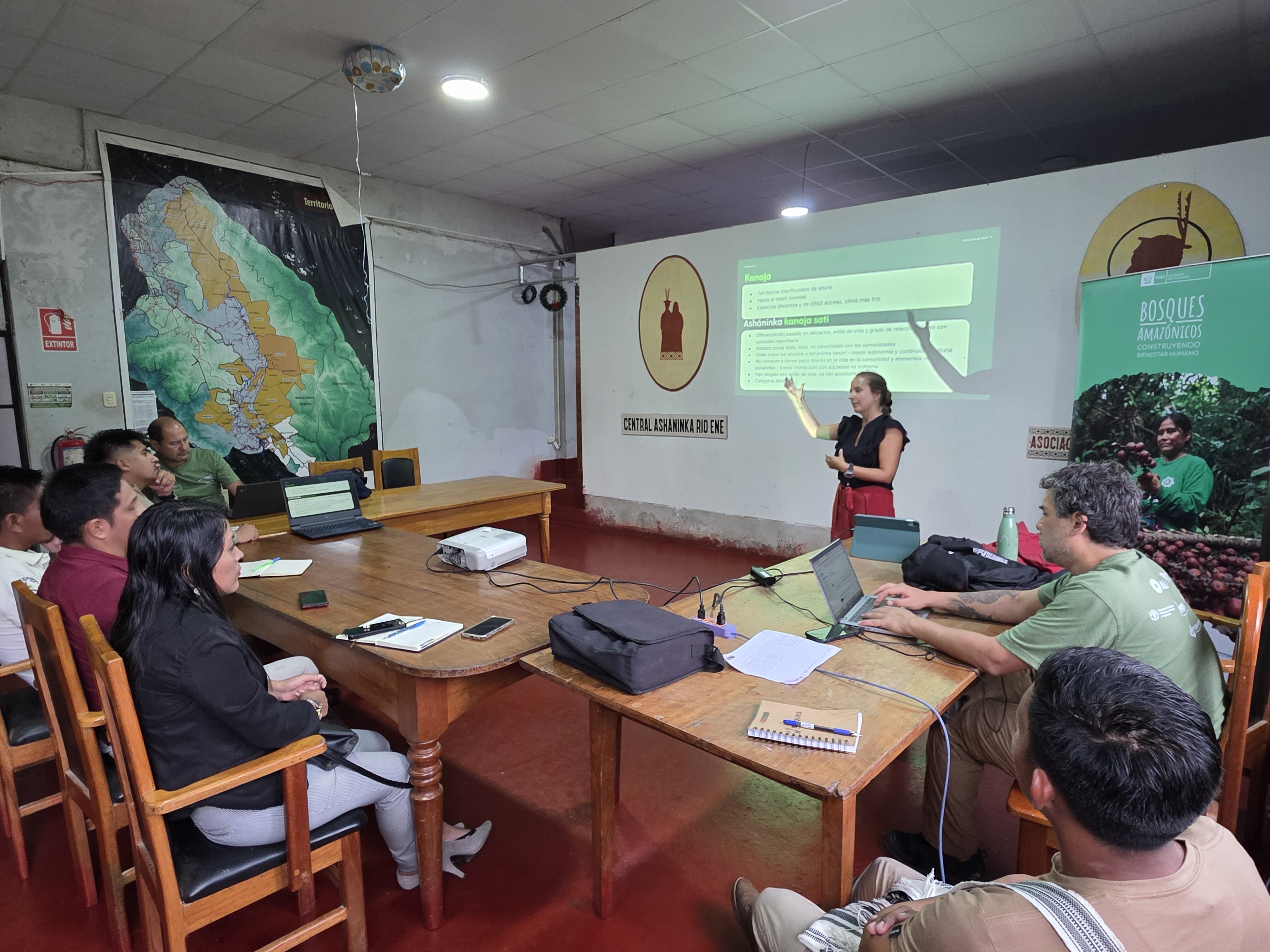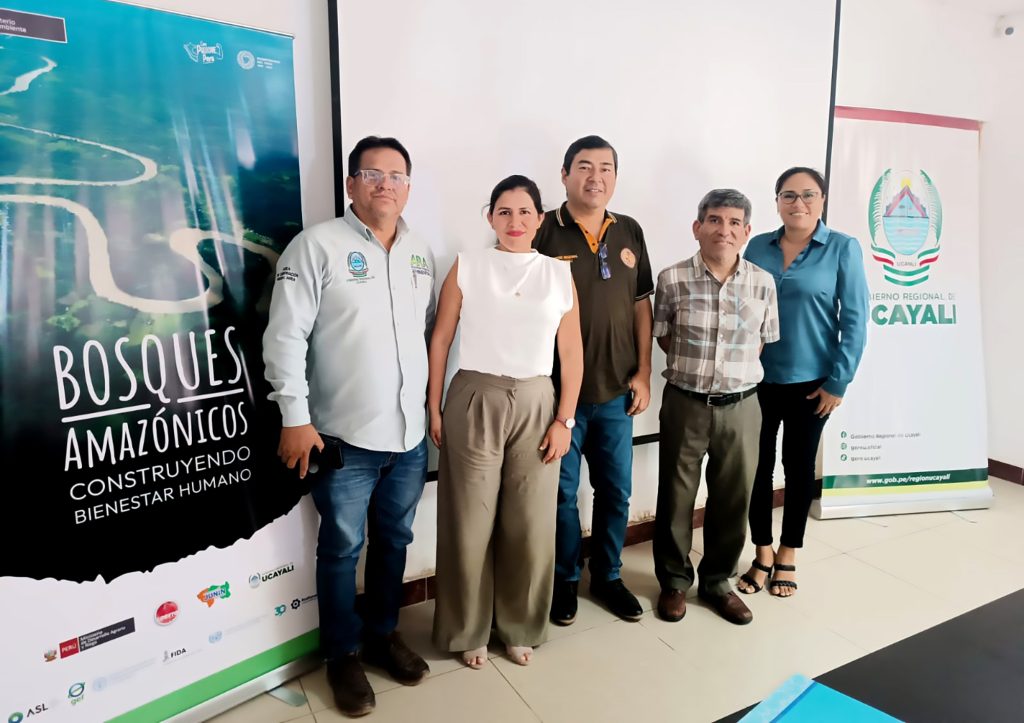
Lima, January 2024. The year 2024 is expected to be a key year for the project led by the Ministry of the Environment, as it will seek to initiate the implementation of the annual operational plan. To achieve this, the “Bosques Amazónicos - ASL2” project promoted dialogue with key stakeholders in the regions of Ucayali, Loreto and Junín to strengthen its work plan, with a view to establishing strategic alliances and ensuring the effectiveness of its implementation.
Participatory workshops were held in the towns of Atalaya (Ucayali), Iquitos (Loreto) and Satipo (Junín) to present the project's objectives and initial work plan, as well as to gather the experiences and challenges identified by local stakeholders such as regional governments, local municipalities, state institutions, producers' organizations and indigenous federations. In these spaces, priority was given to the participation of women representatives, particularly women producers and indigenous women.
“It is important to generate these spaces for dialogue and construction that will allow us to strengthen the project's operational plans. In the coming months we will continue to strengthen alliances and we must initiate concrete actions that will allow us to lay solid foundations for the implementation of bio-businesses and promote integrated landscape management, hand in hand with indigenous communities and local governments.” said Jorge Elliot, technical coordinator of the ASL2 Amazon Forests project.
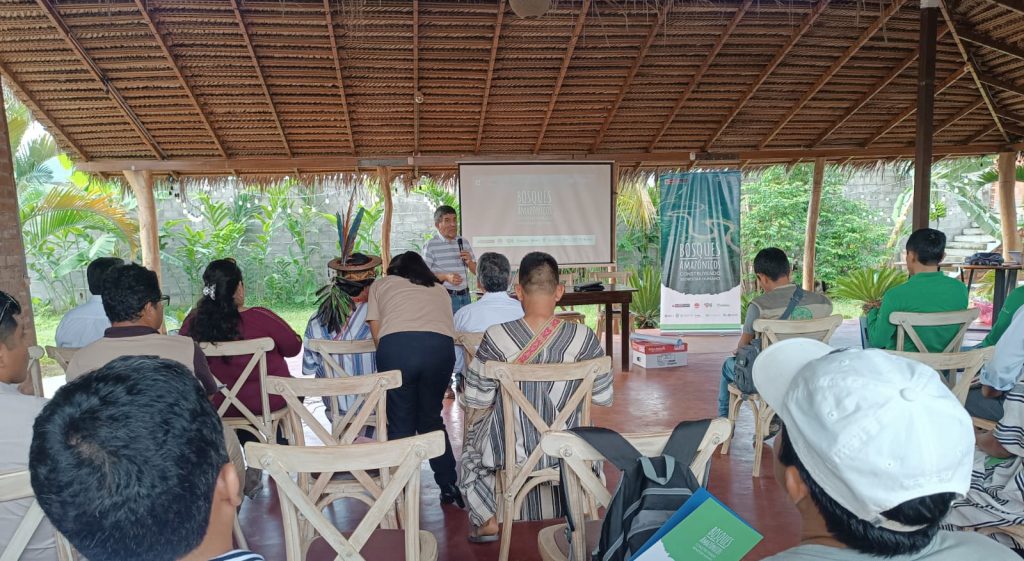
Some of the lessons learned are associated with the technical assistance that the project can provide to regional governments and local stakeholders to strengthen the management documents they are already developing. In the Junin region, the need to update the environmental axis in its development plan was highlighted; in Loreto, a land-use planning proposal is needed to identify the areas with the greatest potential for project implementation. Regarding the active participation of indigenous communities in Ucayali, the organizations representing the communities highlighted the need to promote their participation in the preparation of planning and management instruments, especially life plans.
Data to take into account
- According to the National Forest Conservation Program for Climate Change Mitigation - PNCBMCC, between 2001 and 2021, Peru will lose more than 2.7 million hectares of Amazonian forest, approximately 140,000 hectares per year.
- Deforestation is one of the main threats in the Amazon and, in the same period, the loss of 39,819 hectares has been identified in Nauta (Loreto); 154,132 hectares in Satipo (Junín) and 116,577 hectares in Atalaya (Ucayali).
- The loss of forests affects the ecosystem, its flora, fauna and water cycle, which are fundamental elements for the life of the indigenous populations. This is why the “Amazon Forests - ASL” project aims to strengthen the integrated management of the landscape and the conservation of ecosystems in the Amazon region.
About the project “Amazon Forests - ASL2”.”
The ASL2 project o Bosques Amazónicos seeks to build human well-being and resilience in the Amazonian forests of the regions of Ucayali, Junín and Loreto, through the enhancement of biodiversity for food security and bio-business, based on maintaining the forest standing.
This initiative is executed by the Ministry of the Environment and is supported by the implementing agencies FAO, IFAD, UNIDO and Profonanpe as operational partner.