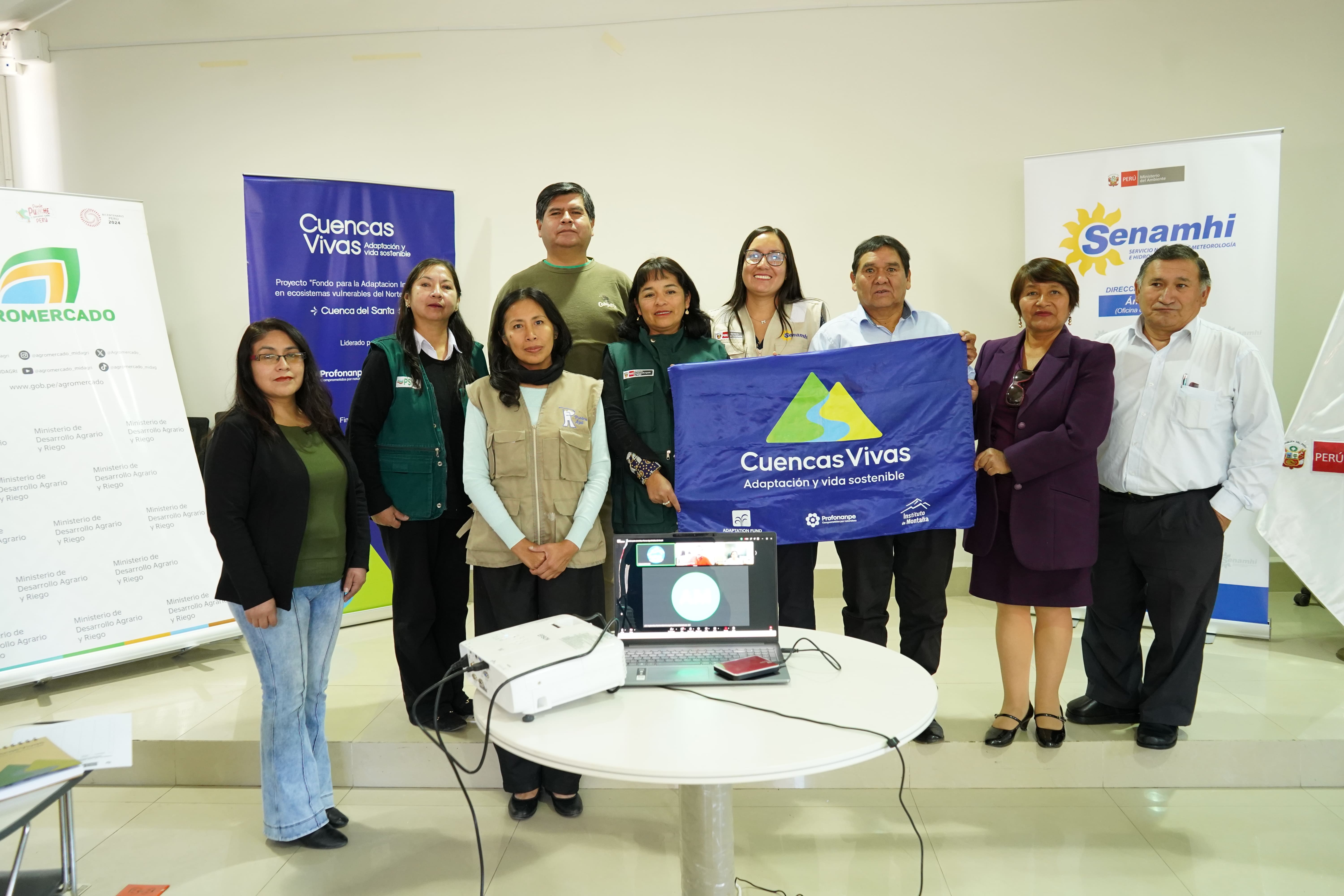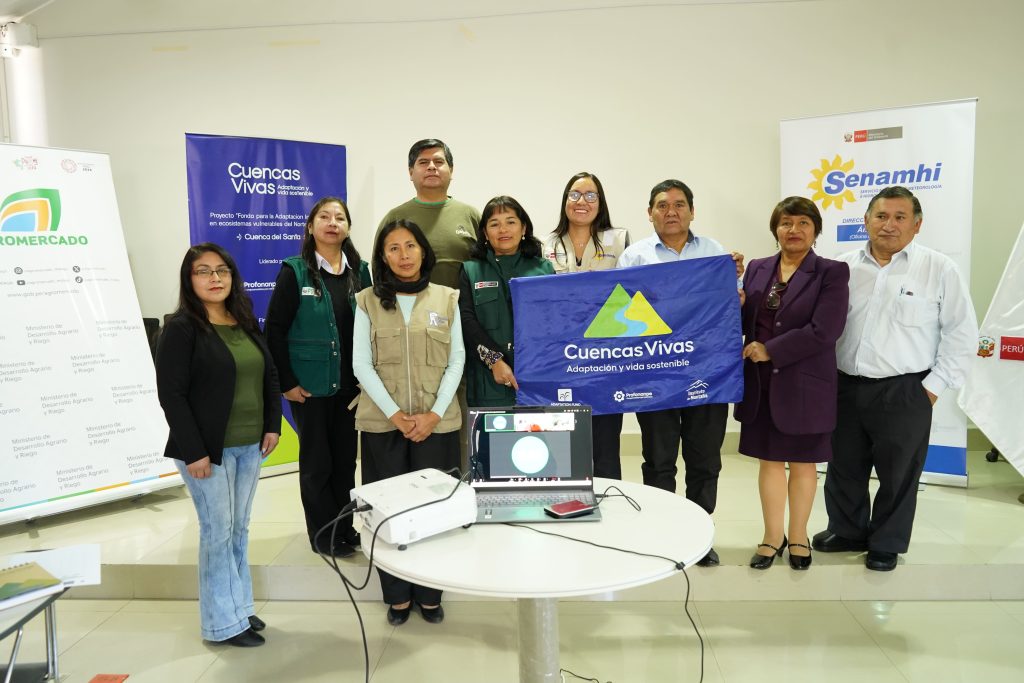
With the aim of strengthening the agricultural sector’s ability to respond to climate variability and change, public institutions and partner organizations are moving forward with the formation of the Áncash Regional Agroclimatic Technical Committee (MTA), a platform designed to facilitate access to agrometeorological information and promote its use in producers' decision-making.
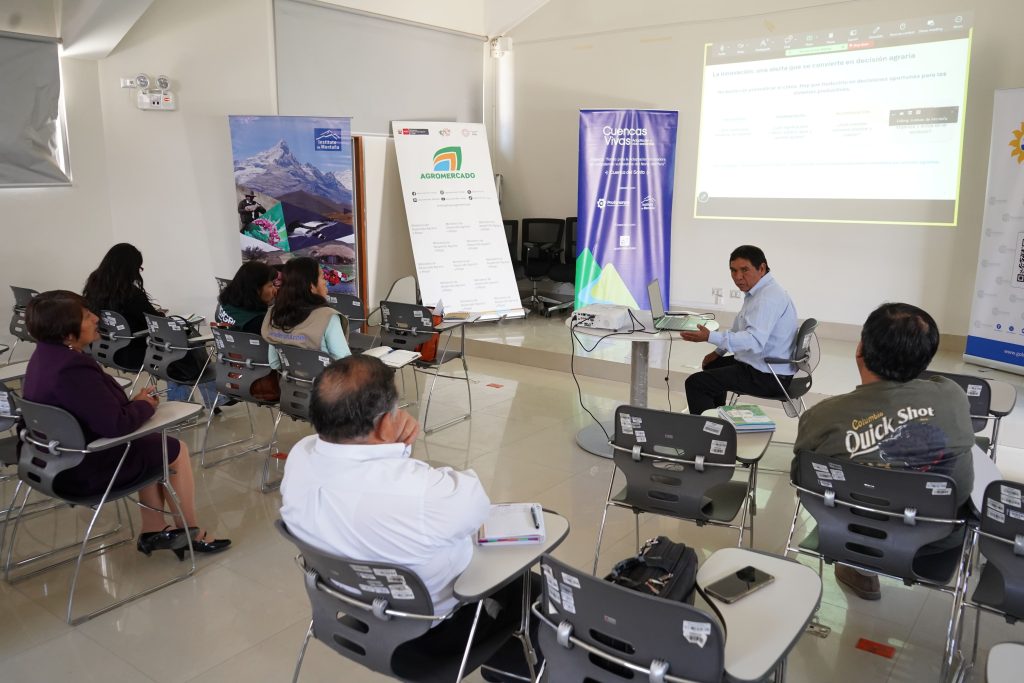
Inception Meeting of the Ancash Regional Agroclimatic Technical Committee | Photo: IdM
Among the key agreements, the unanimous approval of the 2026–2028 Multi-Year Work Plan stands out; this plan will guide the Executive Committee’s actions during that period. It was also agreed to move forward with the process of formalizing the MTA and to submit a proposal for a Regional Ordinance before the end of the year.
The MTA is part of Peru’s efforts to adapt agriculture to climate change, within the framework of its Nationally Determined Contributions (NDCs). Its goal is to facilitate collaboration among specialists, public institutions, agricultural organizations, and producers to transform climate information into practical recommendations for the agricultural sector. In this way, the initiative is expected to improve agricultural planning and reduce crop losses caused by frost and heavy rains.
The Regional Economic Development Office of the Áncash Regional Government will assume the presidency of the MTA; the Áncash Regional Agriculture Office will assume the vice presidency; and Zone 4 Office of the SENAMHI, the Technical Secretariat. For its part, the Ministry of Agricultural Development and Irrigation (MIDAGRI), the National Agricultural Health Service (SENASA) and the Mountain Institute, will serve on the Regional Technical Committee.
The formation of this committee is one of the project's initiatives Living Basins to reduce climate-related risks. This effort aims to ensure that information on climate-related hazards reaches farmers in a timely manner and to strengthen coordination among institutions to improve the agricultural sector’s response capacity.
The initiative is being carried out in coordination with Peru's National Meteorological and Hydrological Service (SENAMHI), the Ministry of the Environment (MINAM) and the Regional Government of Ancash, with the participation of institutions involved in agricultural and climate management, including the Mountain Institute.
The project Living Basins is implemented by Profonanpe, with financing from the Adaptation Fund, and led by Mountain Institute in the Santa river basin, in the Ancash region. Its objective is to strengthen the resilience of communities and ecosystems in the face of climate change, contributing to national adaptation goals.