Photo: Profonanpe
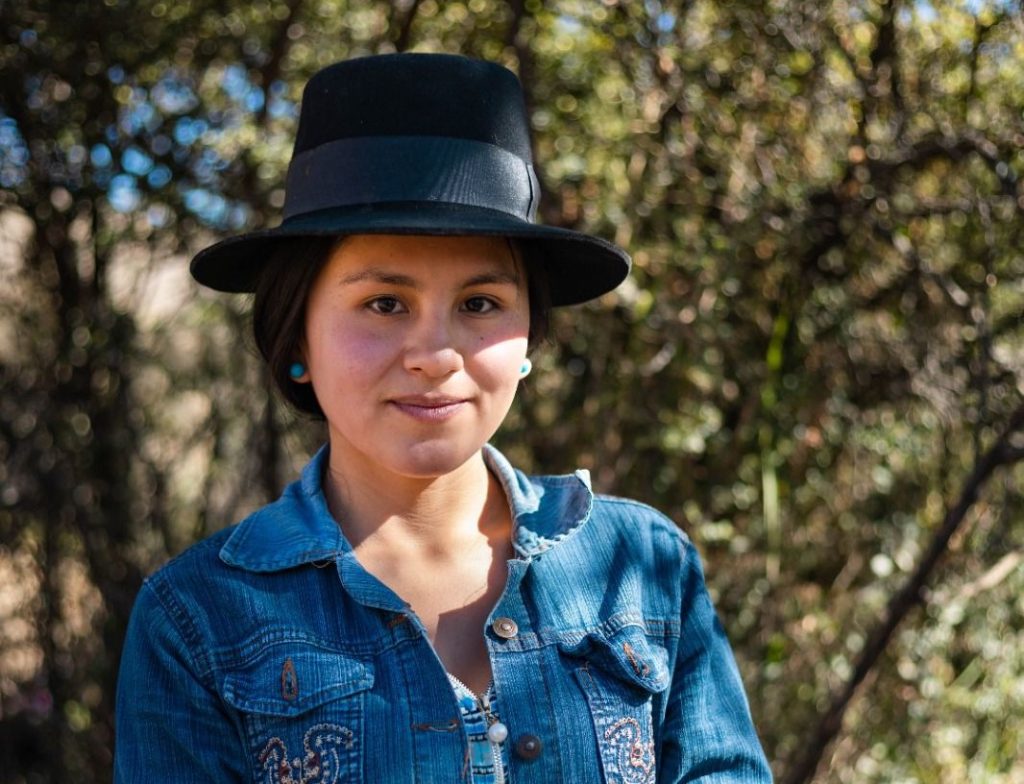
“Every food we produce embodies years of ancestral wisdom“, says Guisela Ubaqui, a young leader from the rural community of Huayana (Apurímac), who, since 2022, has been a member of the Youth Network for Agrobiodiversity, where she promotes organic farming and the transmission and practice of ancestral knowledge.
Peru, with its vast agrobiodiversity, is a natural treasure that needs to be protected, and Guisela is one of the voices speaking out to ensure its conservation. At 24 years old, on August 14 she represented her rural community, Huayana, at APEC Citizen 2024, a global forum organized by Indigenous Research Network, where she demonstrated how ancestral knowledge is helping to address climate change.

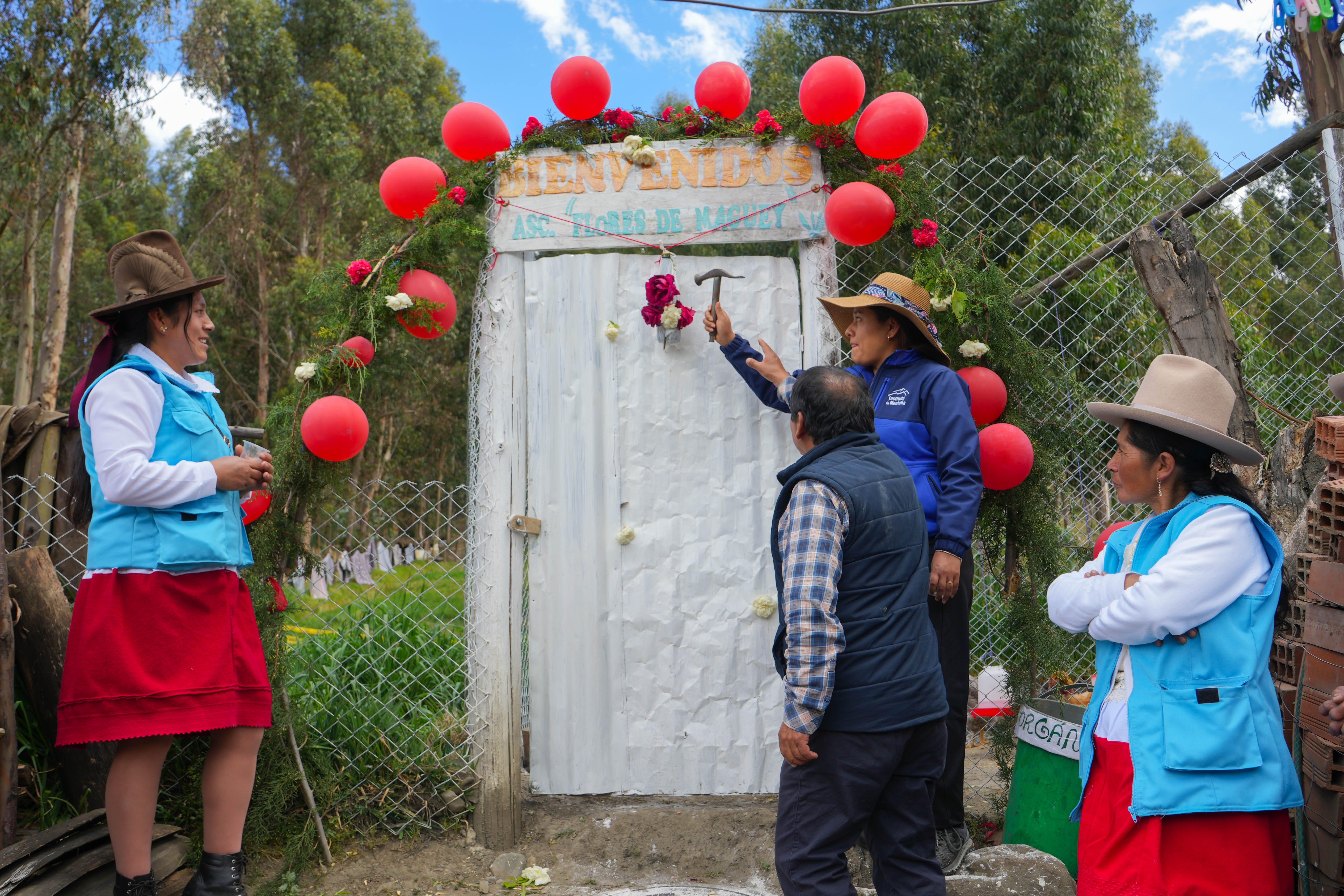
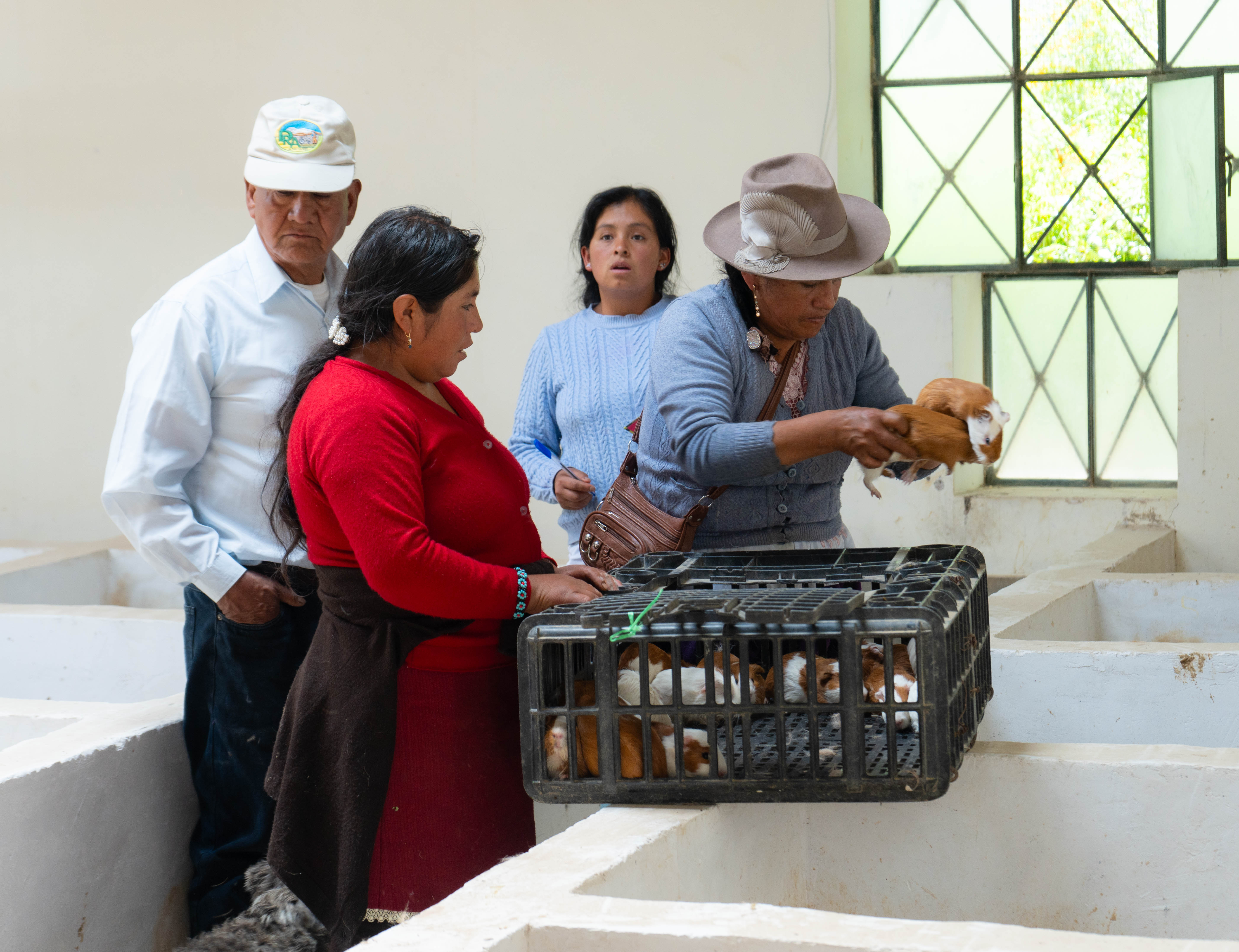
During the event, Guisela shared her experience and work with the GEF SIPAM Agrobiodiversity Project, an initiative aimed at conserving and sustainably using agrobiodiversity in communities such as Huayana, Ácora (Puno), Lares (Cusco), Laria (Huancavelica), and Atiquipa (Arequipa).
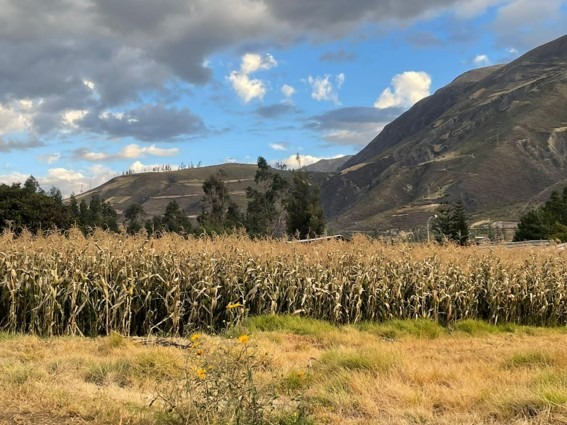
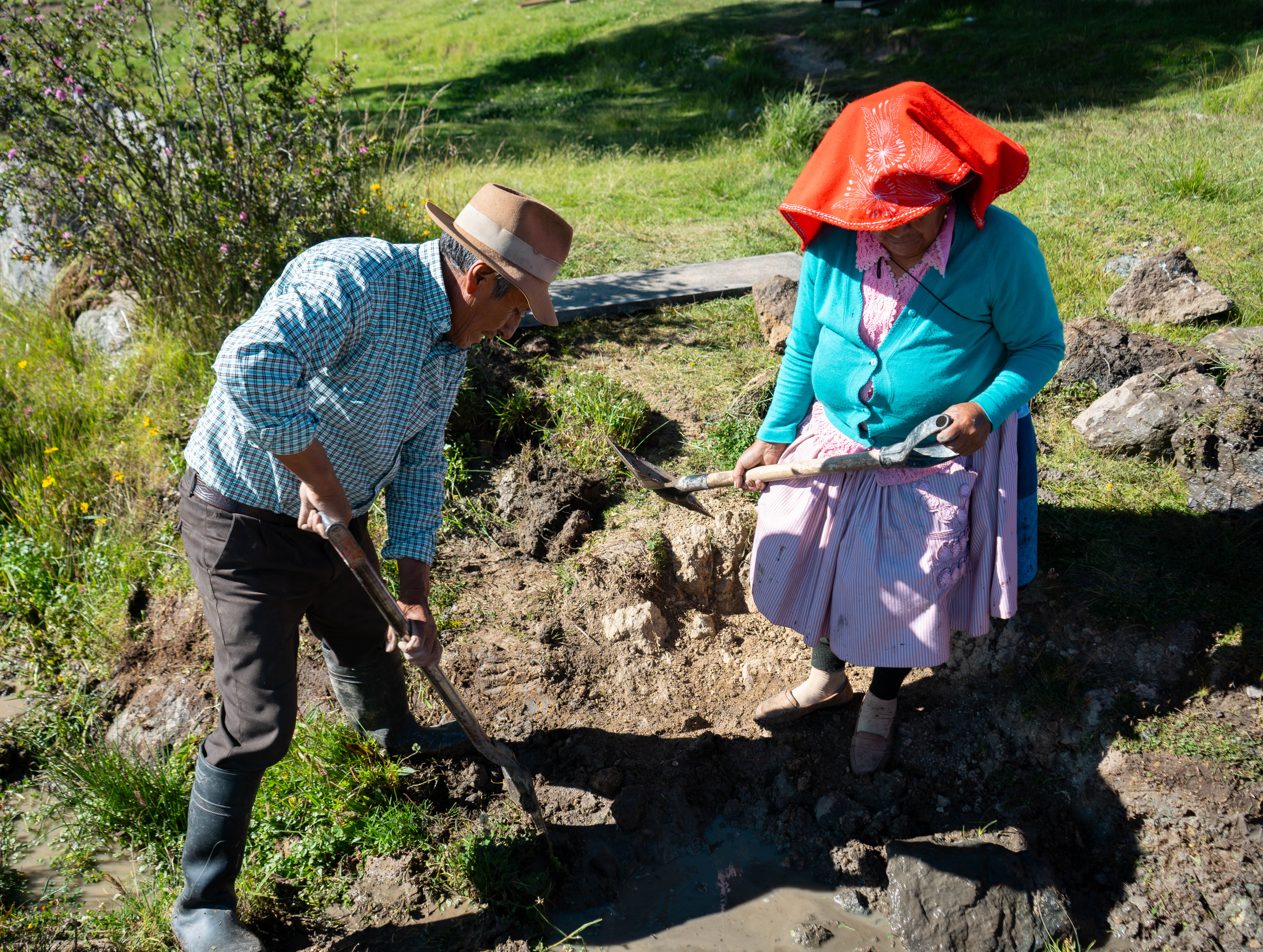
In their community, this project has been key to the conservation and restoration of wetlands and grasslands, reforestation with 5,000 native Queñua plants, seed preservation, and raising awareness among local authorities about the importance of water harvesting and conservation.
“It’s a great opportunity to represent my community at such an important event”, says Guisela. “I want to highlight how our ancestral knowledge can help us address climate change“.
Profonanpe spoke with Guisela about her participation in APEC and how the GEF Agrobiodiversity SIPAM Project has influenced her work in agrobiodiversity conservation.

Photo: Profonanpe
As a female conservationist, what does it mean to you to represent your rural community of Huayana at an event as important as APEC?
Representing my community is an opportunity to share our experiences and ancestral knowledge—how we connect with the earth. It is an honor to learn from other women at this event. I used to see only men participating in these spaces, and now I’m happy to see more women, to be able to give back to my community, and to continue working for the good of the earth.
You mentioned that your parents’ legacy is central to your work. Could you share with us any ancestral practices or knowledge that you consider important for addressing climate change?
My grandparents and parents have taught me everything I know. This year, due to climate change, my community faced frosts that were unusual for this time of year. To combat this, we used eucalyptus branches to help protect the plants from the cold. We also planted rhubarb around water sources at elevations of over 3,000 meters above sea level, which helped conserve water.
How has the GEF Agrobiodiversity SIPAM Project impacted your community and your work as a young leader?
The SIPAM project was very beneficial because it worked directly with the community, without intermediaries. In my community, watershed headwaters were protected and grasslands were restored. In Huaychao, the project helped with water resources, which are essential for life and production. Without water, there is no life, and if water is scarce, there is no production.
Why is it important to involve young people in the preservation of agrobiodiversity?
Young people must get involved in the conservation of agrobiodiversity; only then can we pass this knowledge on to future generations. Since I joined the Youth Network in 2022, we have been volunteering to support our communities by protecting watershed headwaters and raising awareness about the importance of conserving agrobiodiversity. We want more young people and children to join us in this effort.
What message would you like to share with other women and young people who, like you, are committed to environmental conservation?
Each of us must become aware of this; I believe that, as women and young people, it is up to us to preserve and pass on our ancestral knowledge, as well as to share it with future generations. Furthermore, it is essential to highlight the work done by the community and by our parents and grandparents, because we learn from them—they are our guides.
Fact:
- For more information on the sustainable use of agrobiodiversity, learn about the initiative Manos que cultivan.