The Datem del Marañón Province is home to one of the most important wetlands in Peru and the world, which represent a valuable ecosystem for climate change mitigation because it conserves a carbon stock of 6,948 million tCO2eq. Moreover, it is in the third most extensive tropical peatland, the Pastaza – Marañón basin, placed just after Central Kalimantan, in Indonesia, and Cuvette Centrale, in the Republic of the Congo.
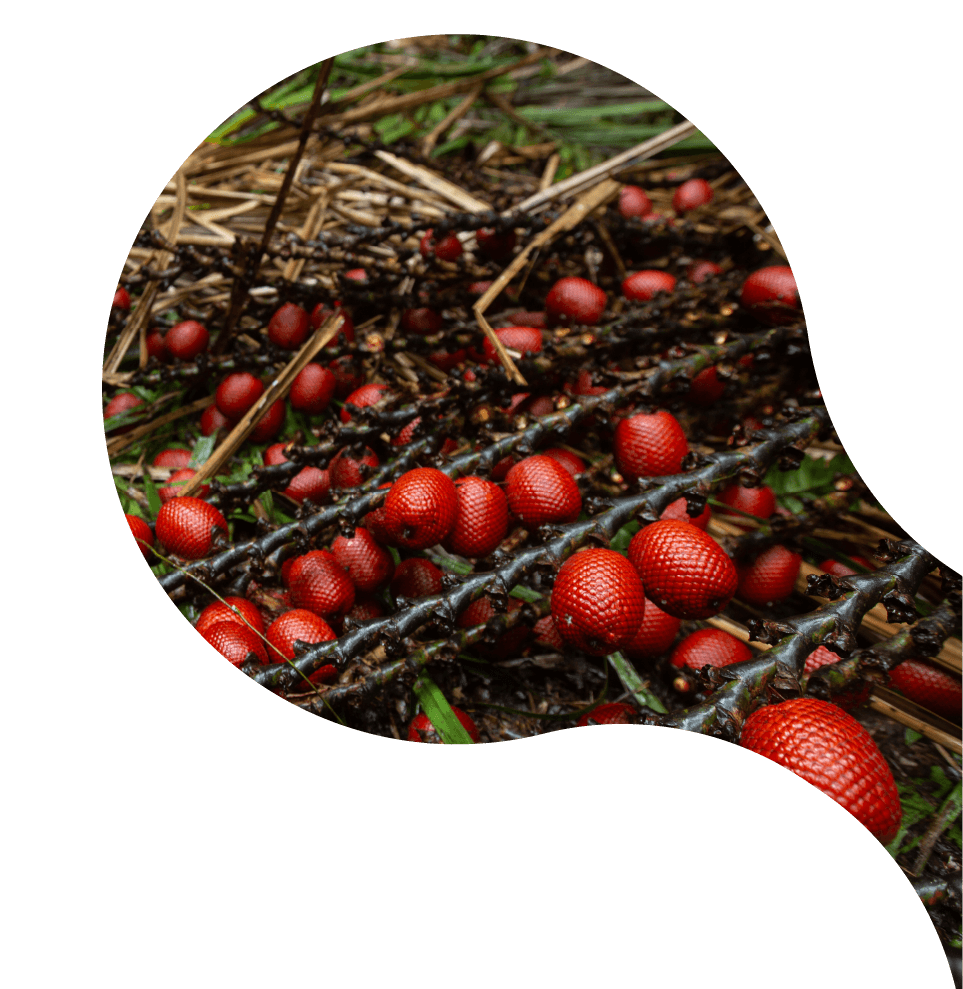
In recent years, they have been increasingly threatened by deforestation, illegal logging, expansion of the agricultural frontier and inadequate extraction of aguaje fruits. The Datem Wetlands Project seeks to build sustainable development alternatives with the indigenous communities, leaders and authorities of the area, in order to face the threats of the illegal and informal economic activities.
Immerse yourself in the wetlands from Datem del Marañon
Our purpose
Improve the resilience of indigenous communities living in the Datem del Marañón province, improve their livelihoods and reduce greenhouse gas emissions caused by deforestation.
Protect and strengthen the
resilience capacity
of ecosystems.
To improve the quality of life of 20,400 inhabitants, in an area of 338,000 hectares.
Reducing emissions carbon in 1.3 Mt carbon equivalent for 2023.
Project scope
The Pastaza Fan
An ecosystem of more than
4.5 million of hectares,
characterized by large expanses of swamps, lakes and floodplains partially each year, and is part of the country's largest Ramsar site.
Since 2017, Profonanpe, with funding from the Green Climate Fund and Koica, has been implementing the project “Building Resilience in the Wetlands of the Datem del Marañón Province, Peru.”.
The Pastaza Fan represents the
3% of the forested area of Peru.
This place contains 40% of the carbon reserves retained in Peruvian territory.
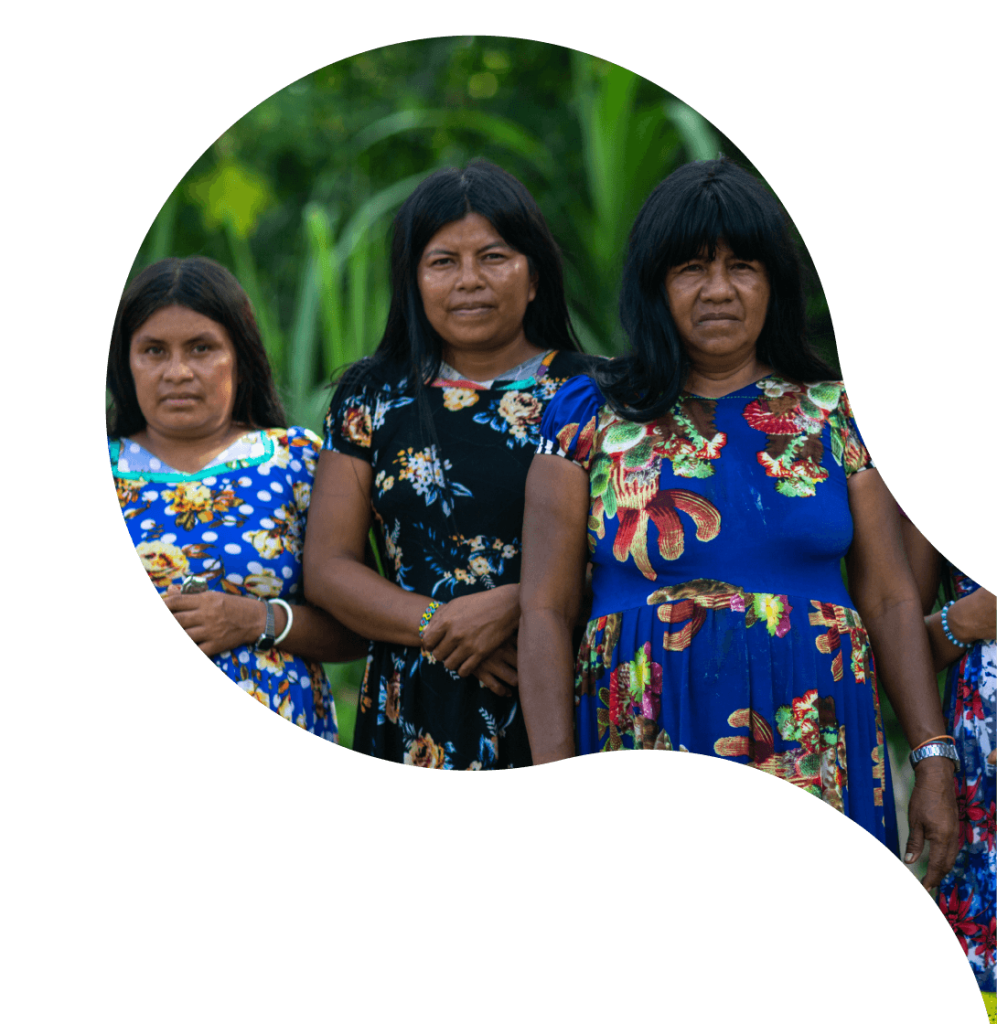
Having as allies 120 native communities from 7 indigenous peoples
Awajún, Achuar, Chapra, Kandozi, Kichwa, Wampis and Shawi.
What are our pillars of work?
Strengthening the institutional capacity of the Government
Strengthening the capabilities of the indigenous and riverine communities
Building resilience through sustainable bio-businesses
Management of the science, the technology and the knowledge
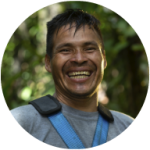
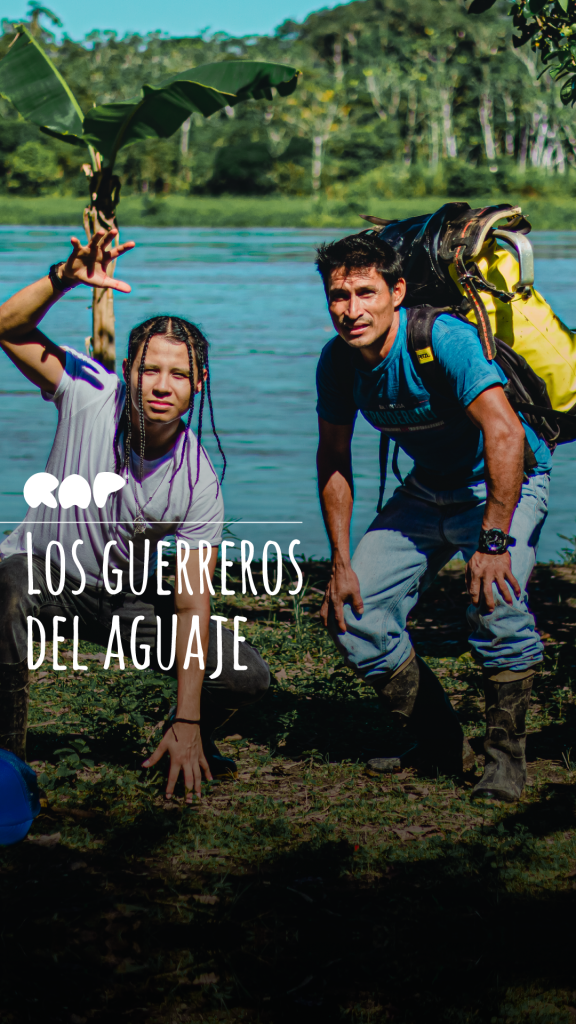
Segundo is a palm tree climber who lives in the native community of Puerto Díaz in Datem del Marañón. He is in charge of collecting the aguaje fruit so that it can later be sold to other organizations.
Meet
Second
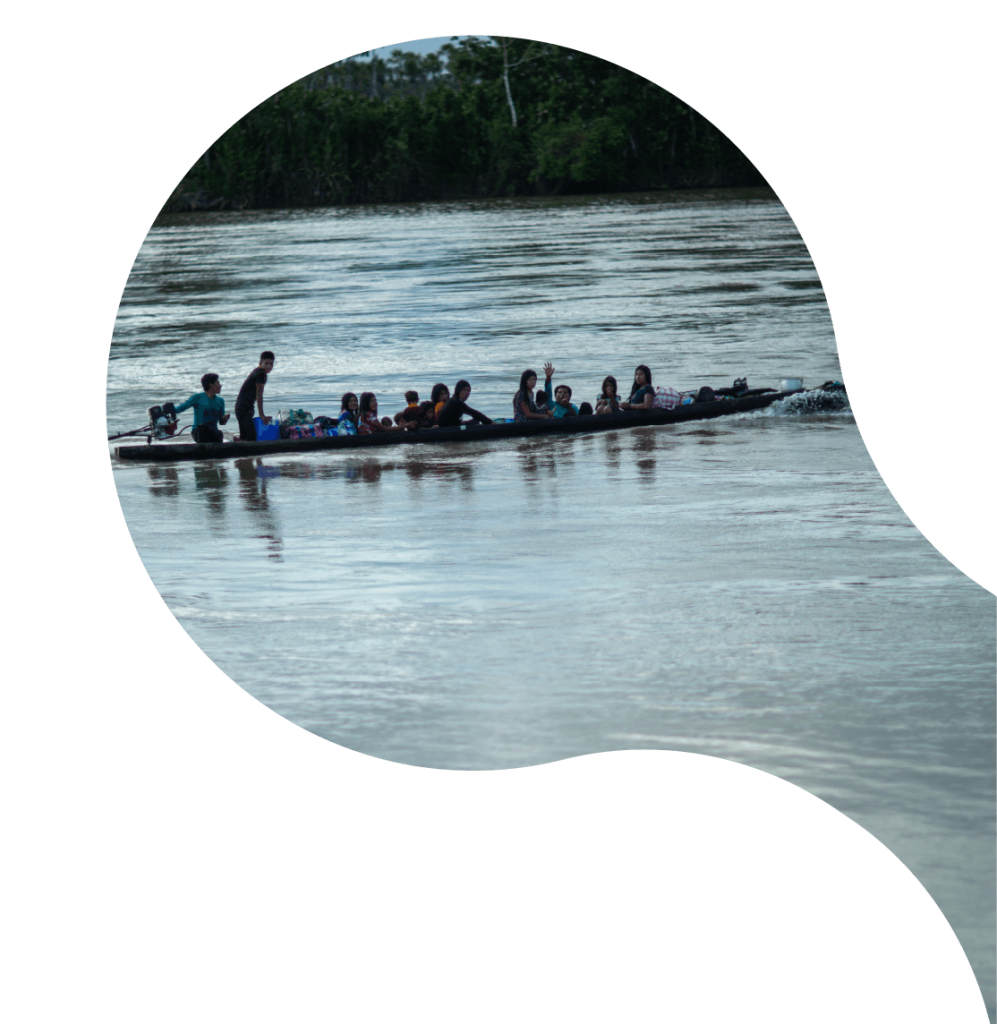
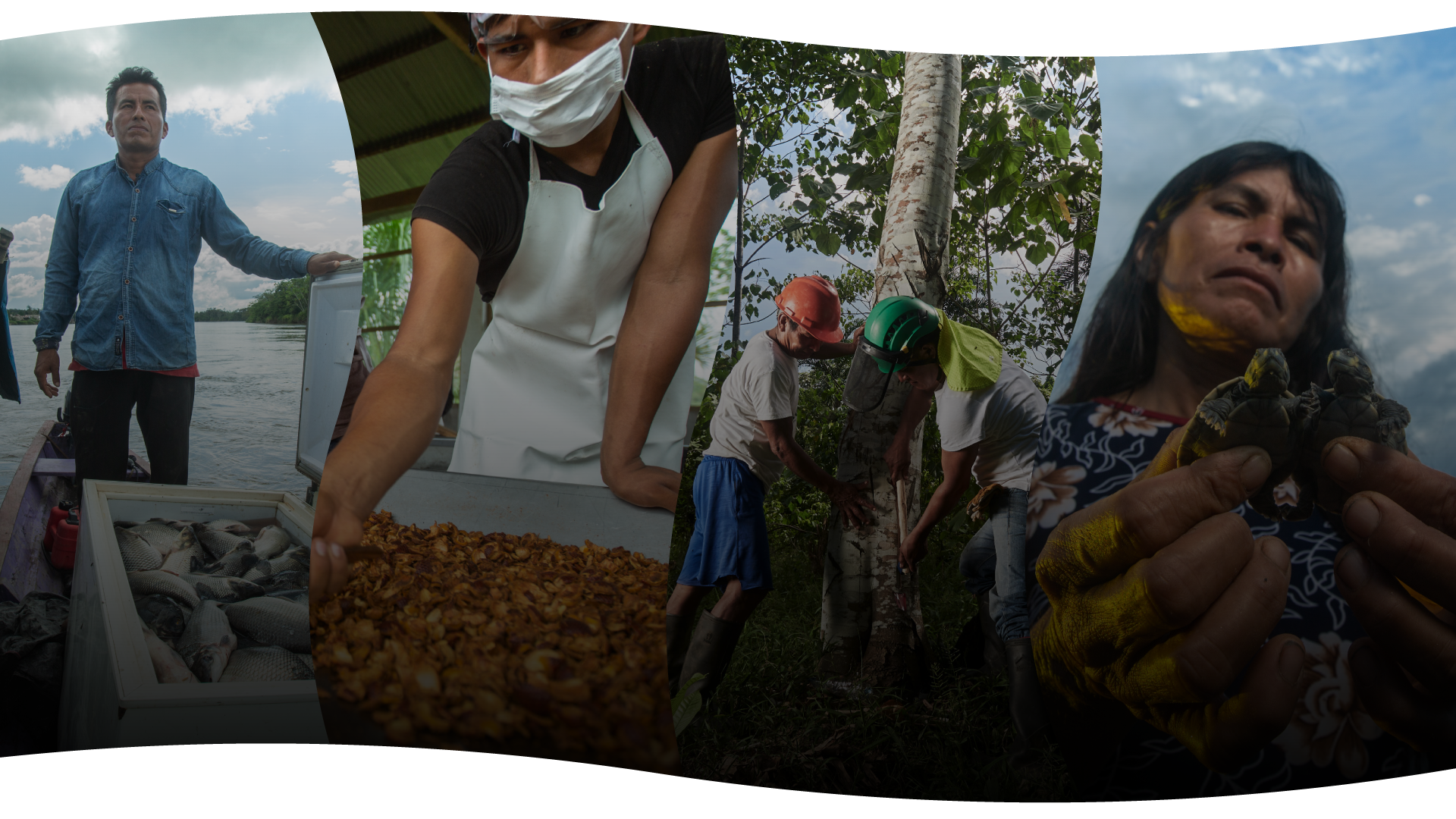
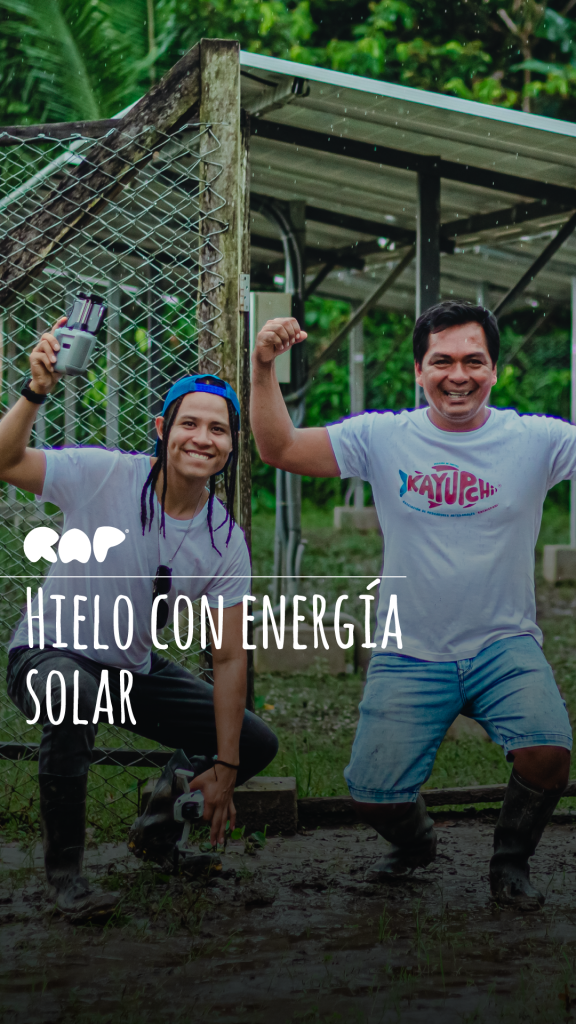
Both belong to the Kandozi ethnic group and live in the Musa Karusha native community. They are part of the Katinbaschi Association, which is responsible for the marketing of fresh artisanal fish.
Meet
Gunter and Guillermo
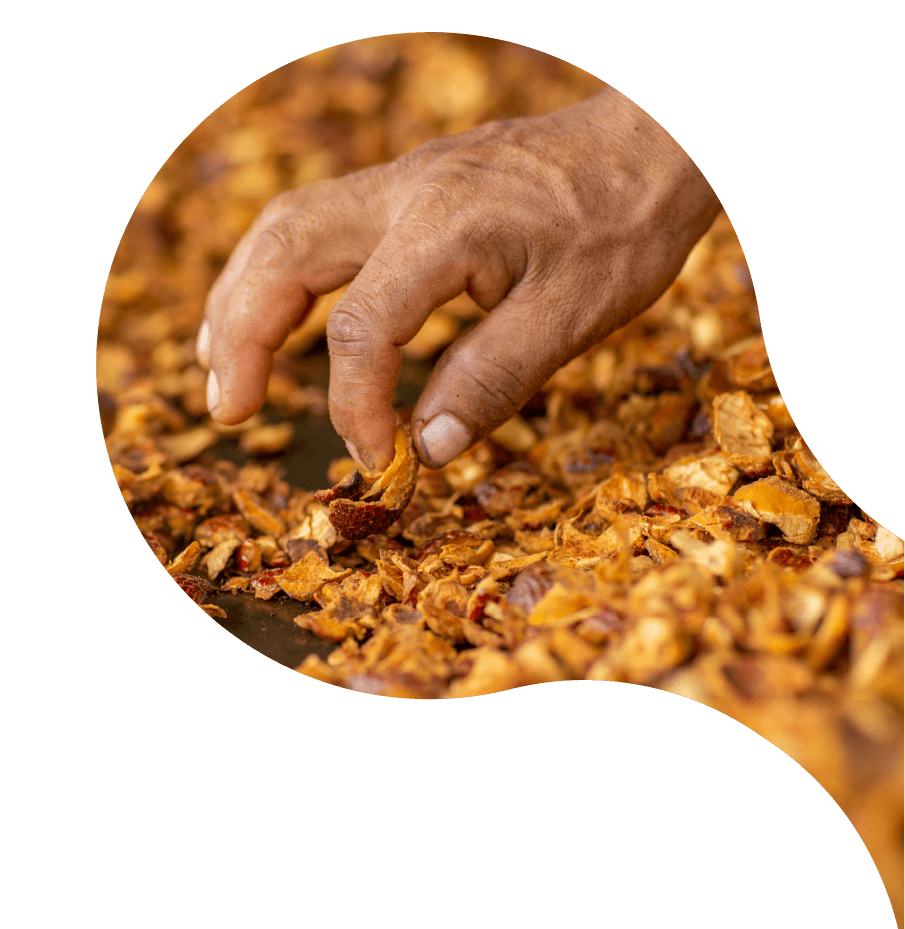
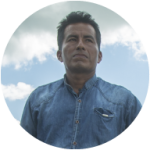
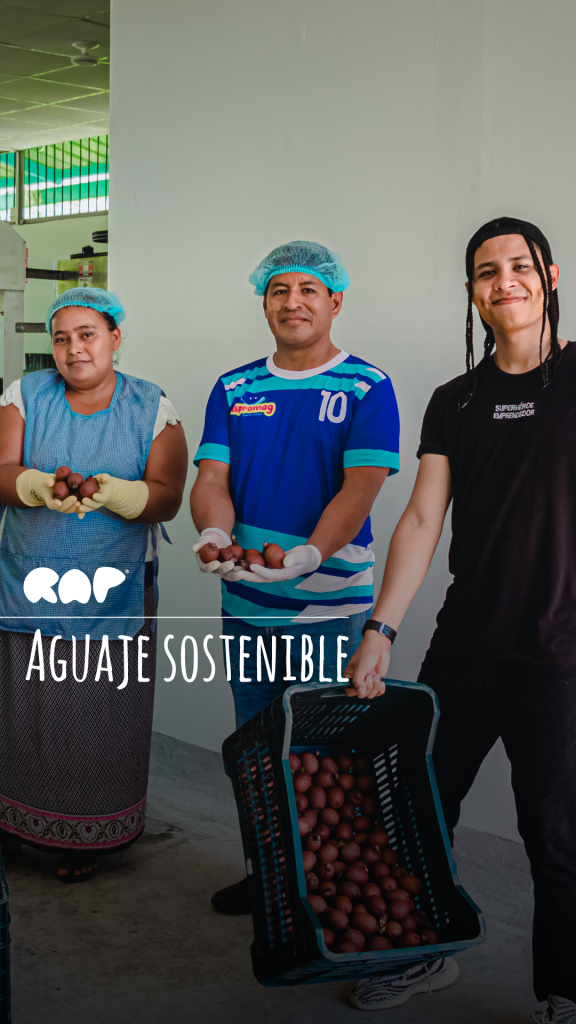
He is part of the Awajún ethnic group from the native community of Chapis, who have formed APUAPISEM, an association to implement a biobusiness that sustainably extracts oil from the aguaje fruit.
Meet
Ronel
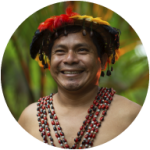
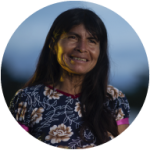
Balbina is part of the Kandozi ethnic group and is president of the Charapi Women Producers Association, who raise and sell taricaya turtles.
Meet
Balbina
Between 2017 and 2024, it intervened in 418,722 thousand ha and it It avoided emitting 526,812 tCO2-e.
By 2024, the following have benefited: 15,420 people of 116 indigenous communities y annexes.
He aguaje was declared as emblematic forest resource, of public necessity and regional interest.
We have coordinated with RENIEC for the Delivery of ID cards to more than 3,700 people.
We implemented 2 ice plants and 6 processing plants powered by photovoltaic energy in the communities of Chapis, Musa Karusha, San Fernando, Sinchi Roca, Puerto Industrial and Ugarte.
52 Management Declarations (DEMA) and 3 Fisheries Management Programs (PROMAPE) for the exploitation of resources, in an area of 399,000 hectares.
We contribute to strengthening the capacities of more than 1,400 people (20% women).
The Local Climate Change Plan of the province, within the framework of the Nationally Determined Contributions (NDCs). It was the first to be approved at the level of the 1,845 districts nationwide.
We have contributed to the formalization of more than 35 associations and boards of directors of the communities.
Within the framework of sustainability, 07 indigenous communities They have been incorporated into the National Forest Conservation Program.
The project, together with the indigenous associations, applied and won 8 competitive funds for improve production processes and strengthen the capabilities of biobusinesses.
The approval of the formation ofSasipahua Environmental Conservation Area, with an extension of 81,812 ha, by means of ordinance No. 016-2023-MPDM-CM
They were developed in a participatory manner territorial zoning files from the worldview of indigenous peoples Shawi, Chapra, Kiwcha and Kandozi, approved by Provincial Ordinance No. 021-2023-MPDM
By 2022, the province's carbon stock amounted to 6,948 million tCO2eq, of which the carbon content stored in the vegetation was estimated at 1,697 million tCO2eq, while the carbon stock in The soil contributed 5,251 million tCO2eq.
It was recognized by Vice-Ministerial Resolution 000045-2023-VMPCIC/MC, as cultural heritage of the nation to the knowledge, practice and orality of the Kandozi peoplerelated to traditional fishing on Lake Musa Karusha in the Datem del Marañón province.
The implementation of Manual of Social and Environmental Safeguards, within the framework of the policies of Profonanpe and its donors.
Discovering the path of biobusiness
12 anchor bio-businesses y 51 biobusiness units, in the corridors of Saramiriza, Kandozi, Bajo Marañón Pastaza and Achuar.
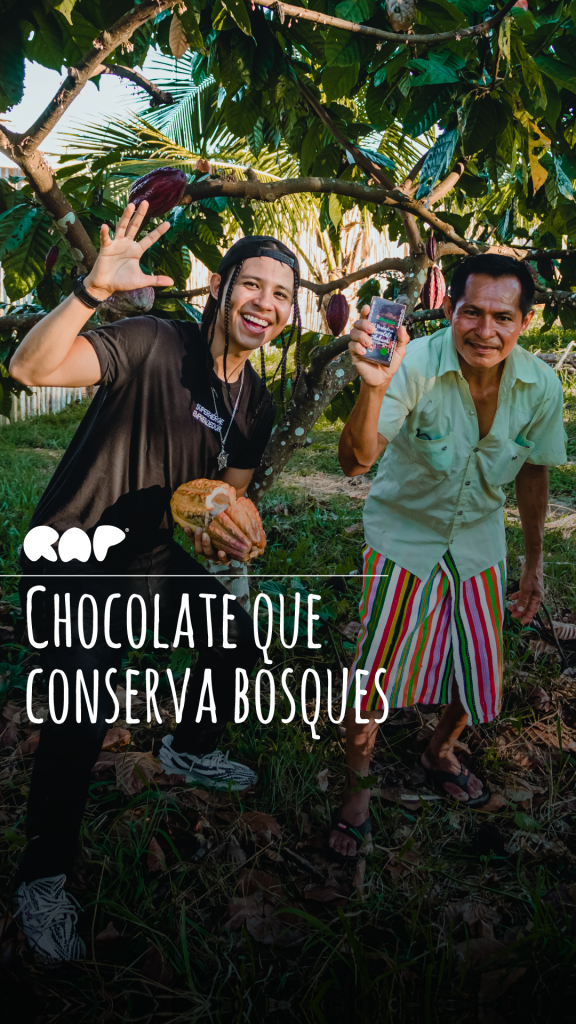
These are managed by associations of indigenous producers who market aguaje oil, copaiba, ungurahui, sangre de grado, artisanal chocolates, taricayas, fresh Amazonian fish, among others.
The associations Kachizpani and Katinbaschi marketed 174,000 kilos of Amazonian fish.
The association APUAPISEM marketed 385 kilos of aguaje oil.
The cooperative SHAKAIM marketed 1,200 liters of grado blood.
The association CHARAPI marketed 25,000 taricaya turtles.This biobusiness is made up of 20 members and it ishe sole leader by women.