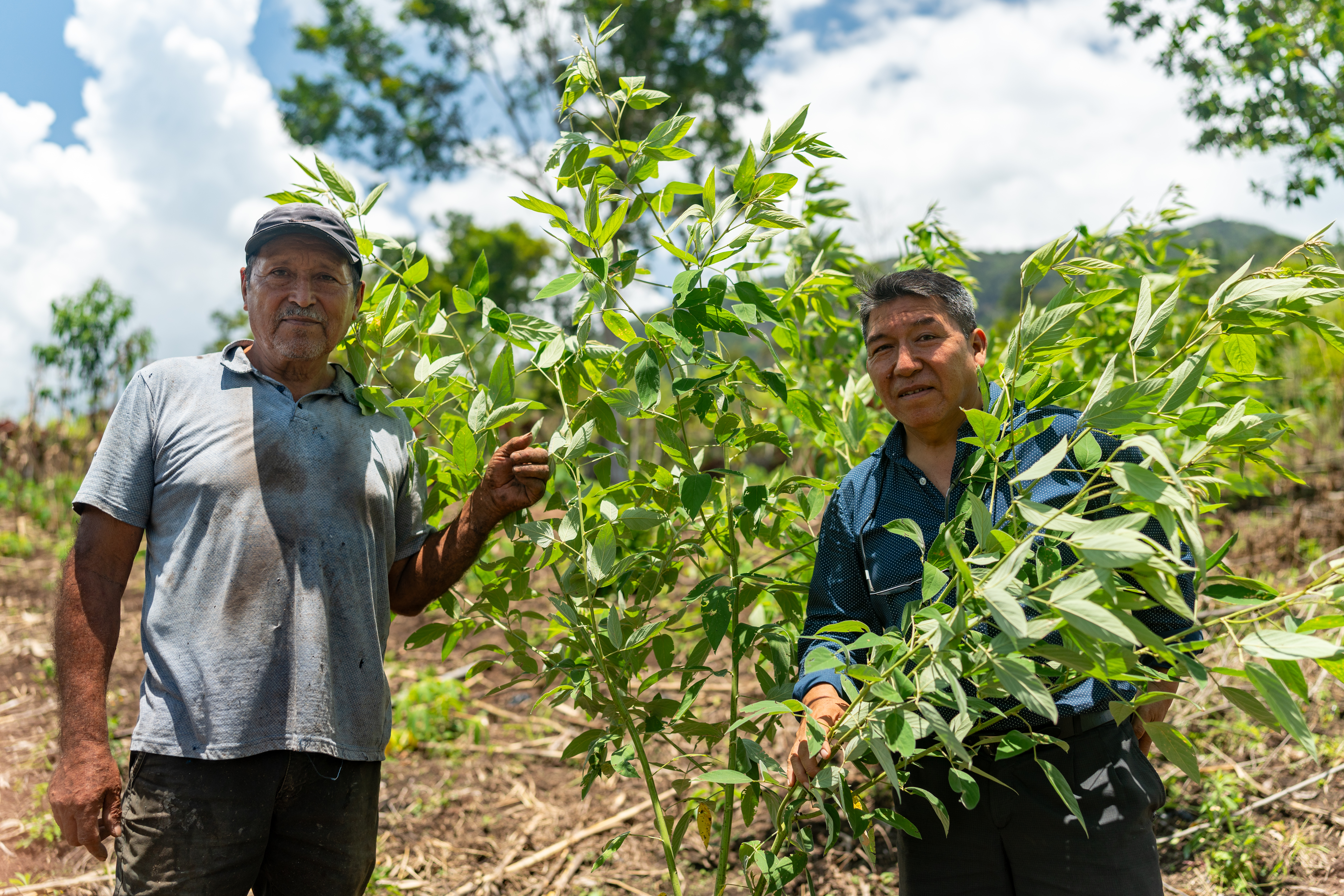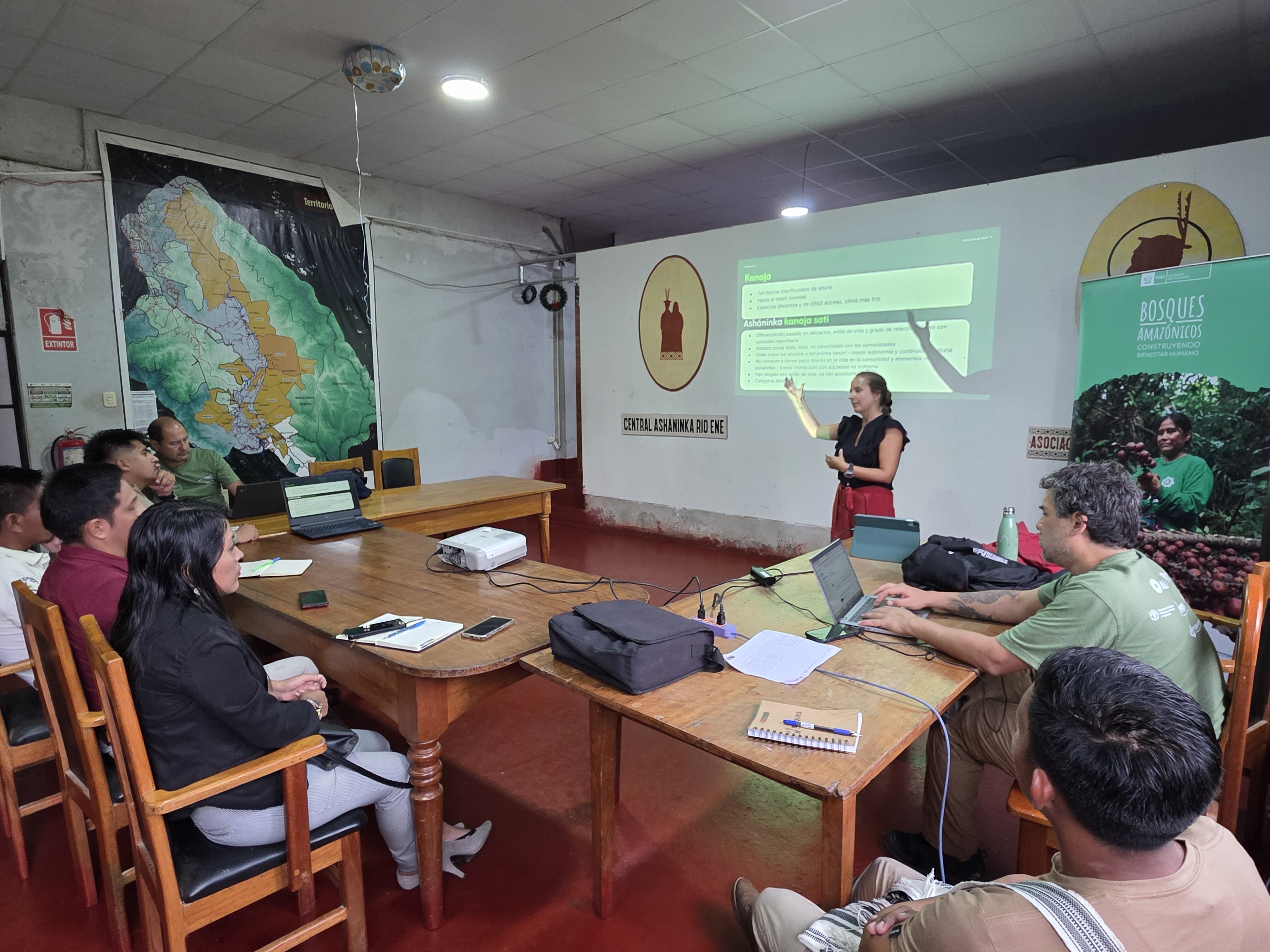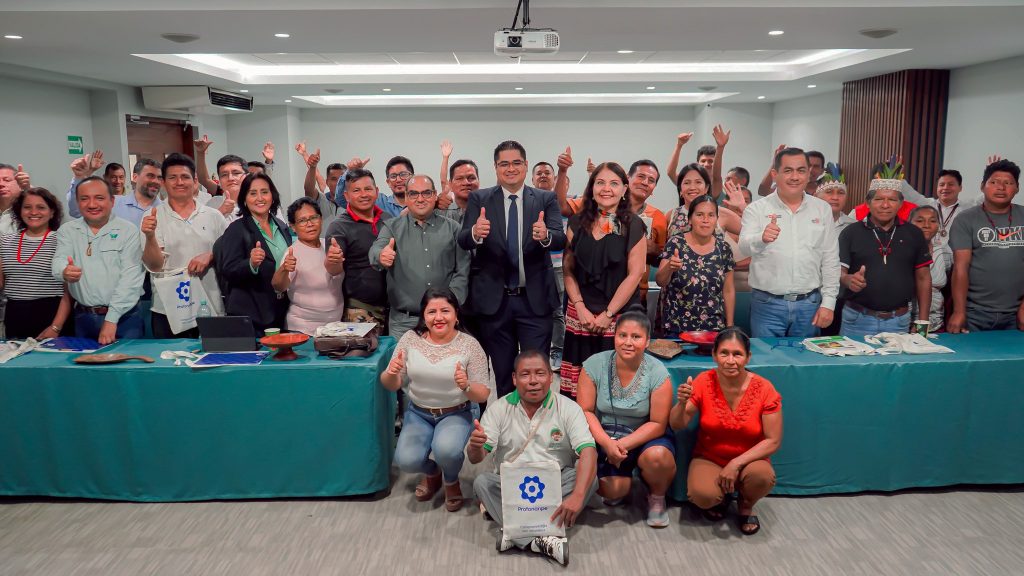
With the active participation of representatives of Amazonian communities, regional authorities, the private sector and technical institutions, the results of the diagnosis of the value chains of the aguaje (Mauritia flexuosa) and camu camu (Myrciaria dubia) in Loreto. This activity was carried out within the framework of the project Amazonian Forests ASL2, led by the Ministry of the Environment (Minam), which strengthens environmental governance and promotes the sustainable use of natural resources as a basis for the well-being of the Amazonian populations.
The event, held last Tuesday in Iquitos, provided a space for dialogue among various stakeholders to reflect on current challenges, emerging opportunities and priority actions to strengthen these production chains in an inclusive, resilient and sustainable manner.
The study presented included a productive, environmental and commercial analysis of both Amazonian resources, revealing bottlenecks such as informality, lack of traceability and weak commercial articulation. At the same time, it highlighted opportunities linked to the growing interest of the national and international market, the leading role of women and indigenous communities, and the use of technologies such as blockchain to ensure the sustainability of the resource.
“These results allow us to identify key points for building stronger and more equitable value chains that generate income without putting Amazonian ecosystems at risk,” said Cristina Portocarrero, the project's technical coordinator. “Camu camu and aguaje have enormous potential as bio-businesses, provided they are managed sustainably and with a territorial perspective.”.
The event was also attended by representatives of the Regional Government of Loreto, Agromercado, Serfor, WCS, Organic Carob Trees of Peru, among other strategic allies, who agreed that joint work between communities, governments and the private sector is essential to consolidate processes that not only protect biodiversity, but also promote local development with identity and sustainability.
About the “Amazonian Forests ASL2” project”
The project seeks to promote the conservation of healthy, functional and climate-resilient forests and wetlands; maintaining important carbon reserves, avoiding Greenhouse Gas (GHG) emissions and generating sustainable and resilient local livelihoods.
This initiative is being implemented by the Ministry of the Environment (MINAM), with funding from the Global Environment Facility (GEF); and has the support of the Food and Agriculture Organization of the United Nations (FAO), the International Fund for Agricultural Development (IFAD), the United Nations Industrial Development Organization (UNIDO) and Profonanpe.