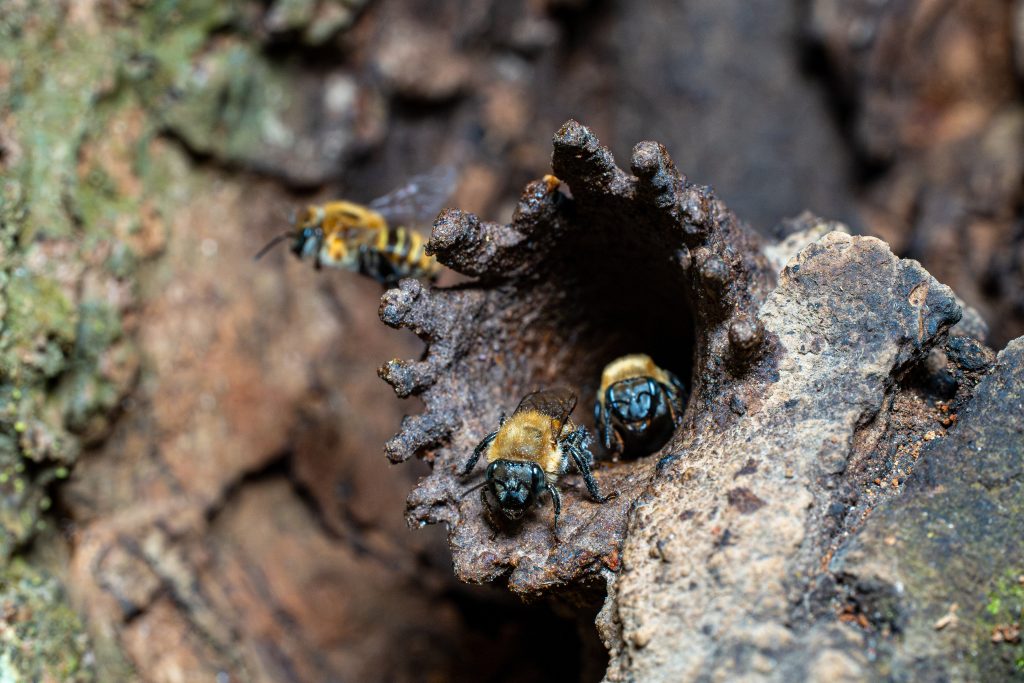
Strengthening public policies for the conservation of native stingless bees, recognizing women’s leadership in meliponiculture, and promoting practices that link the rearing of these pollinators with ecosystem conservation were some of the key opportunities identified during the forum “Biosphere Reserves, Women, and Meliponiculture,” held in Oxapampa as part of the First Meliponiculture Conference of Peru’s Central Jungle.
The event, organized by the National Association of Meliponiculture Producers of Peru (ANAMEP) and co-organized by the regional Poli-LAC project and the Agricultural Cooperative of Innovative Women of the Biosphere Reserve, brought together more than 100 participants and facilitated the exchange of experiences from Peru, Brazil, Paraguay, and Costa Rica. The dialogue helped identify actions to consolidate meliponiculture as an activity that contributes to biodiversity conservation, the maintenance of the pollination ecosystem service, and the economic and social development of communities.
In addition, practical activities and field-based learning were conducted, aimed at strengthening knowledge and responsible practices related to the rearing and conservation of native stingless bees.
Promoting Public Policies to Protect Native Bees
One of the main outcomes of the forum was the identification of the need to strengthen the regulatory framework and institutional conditions for the sustainable development of meliponiculture in Peru.
The analysis of the national situation and the exchange of experiences from Latin America made it possible to identify opportunities to move toward public policies that promote this activity in a sustainable manner and, at the same time, help protect native bees from environmental threats, including the indiscriminate use of agrochemicals.
“Native bees need a joint effort from producers, academia, and policymakers. We must lay the groundwork to strengthen this activity in the future through coordinated and collaborative work,” said Mirbel Epiquién, director of the General Directorate of Biological Diversity at the Ministry of the Environment.
For her part, Rocío Chancayauri, a specialist in Wildlife Conservation and Management at SERFOR, emphasized the importance of taking into account the experiences and realities of the territories when developing the regulations and protocols related to this activity under Law No. 32235.
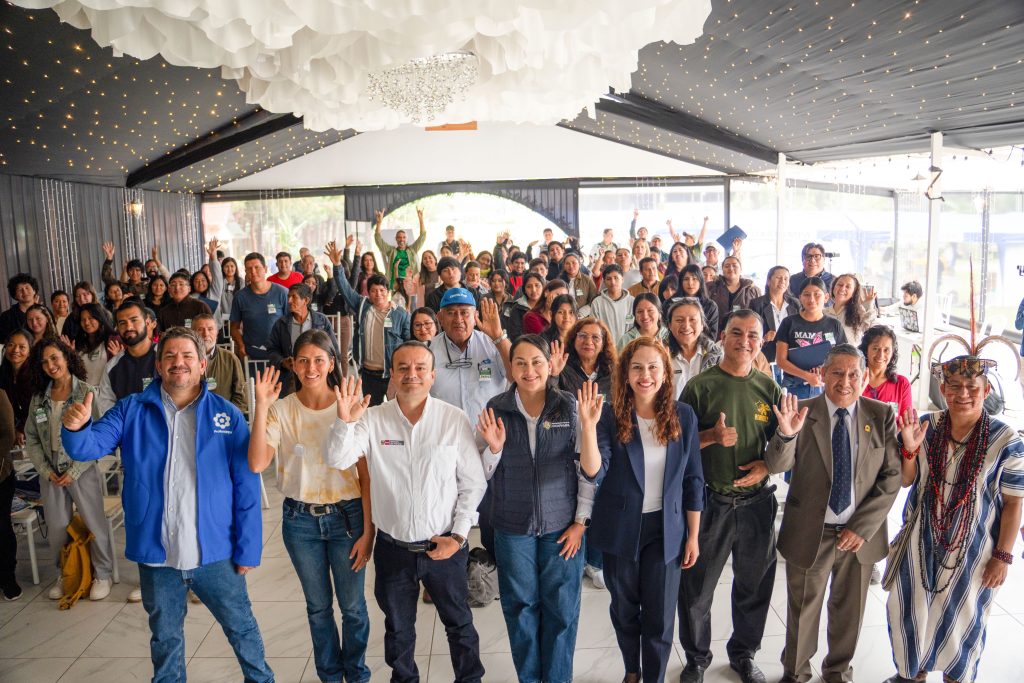
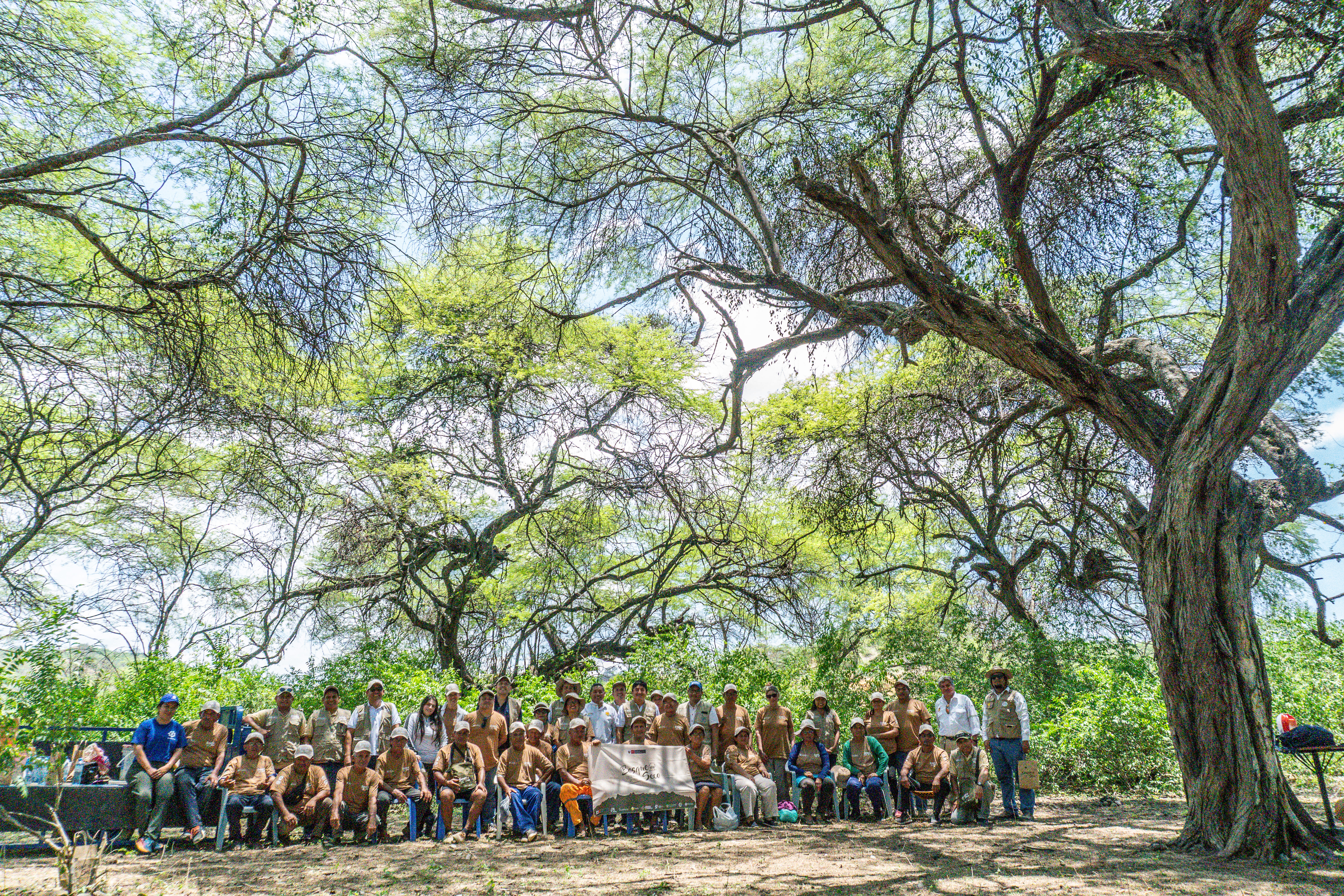
Participants in the forum “Biosphere Reserves, Women, and Meliponiculture”
Photo: Profonanpe
Women: Leaders in Conservation and Meliponiculture
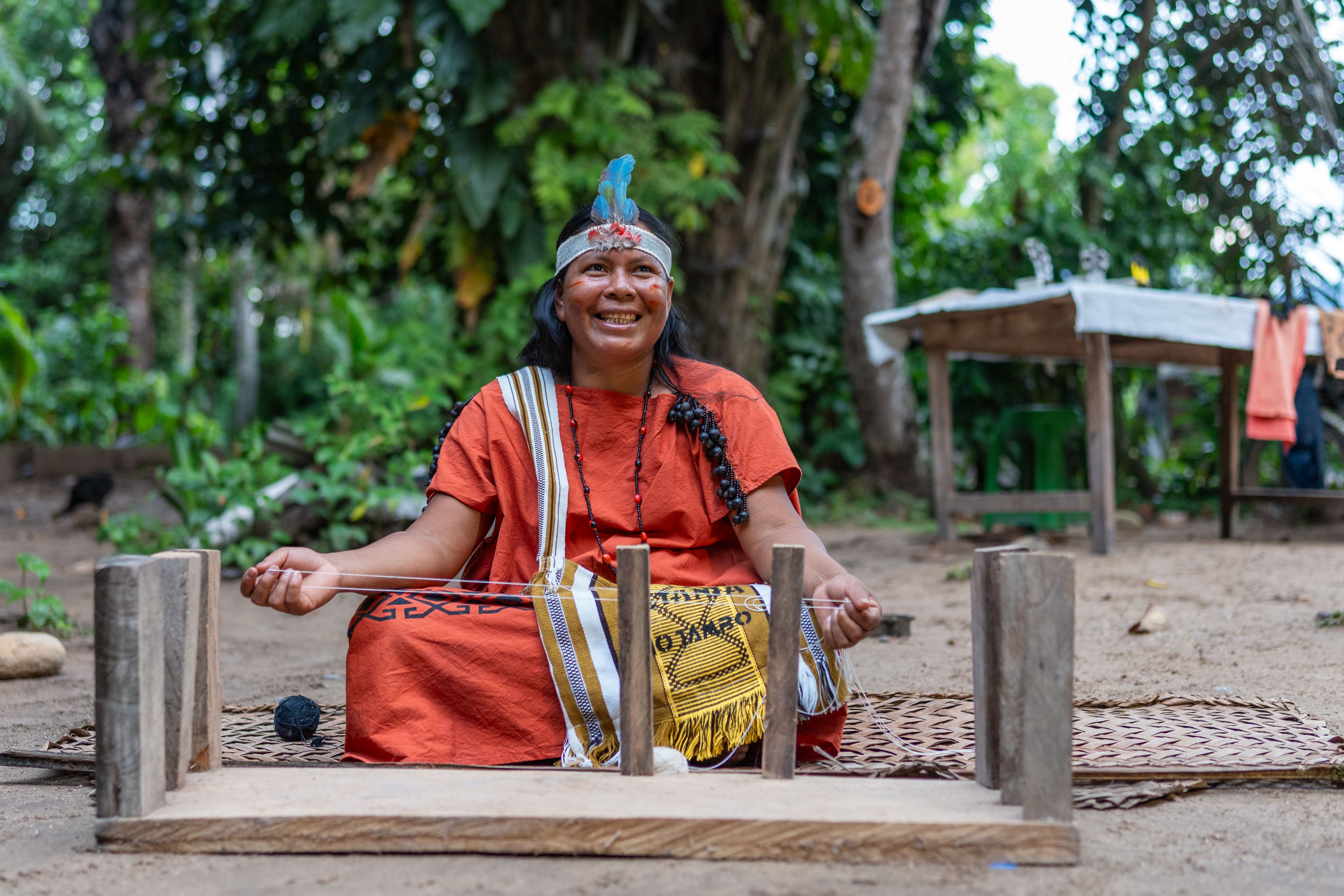
One of the central themes of the forum was to highlight the role women play in raising and conserving native stingless bees, as well as their contribution to the well-being of their communities.
During the event, participants shared experiences that demonstrated how the ethical and responsible management of meliponary apiaries can combine ecosystem conservation with opportunities for income generation and the strengthening of local capacities. The event also highlighted the community leadership of women involved in protecting native bees and the habitats on which they depend.
The discussion highlighted that women’s participation is not limited to beekeeping, but also includes the transmission of knowledge, community management, and the development of economic initiatives related to the sustainable use of biodiversity.
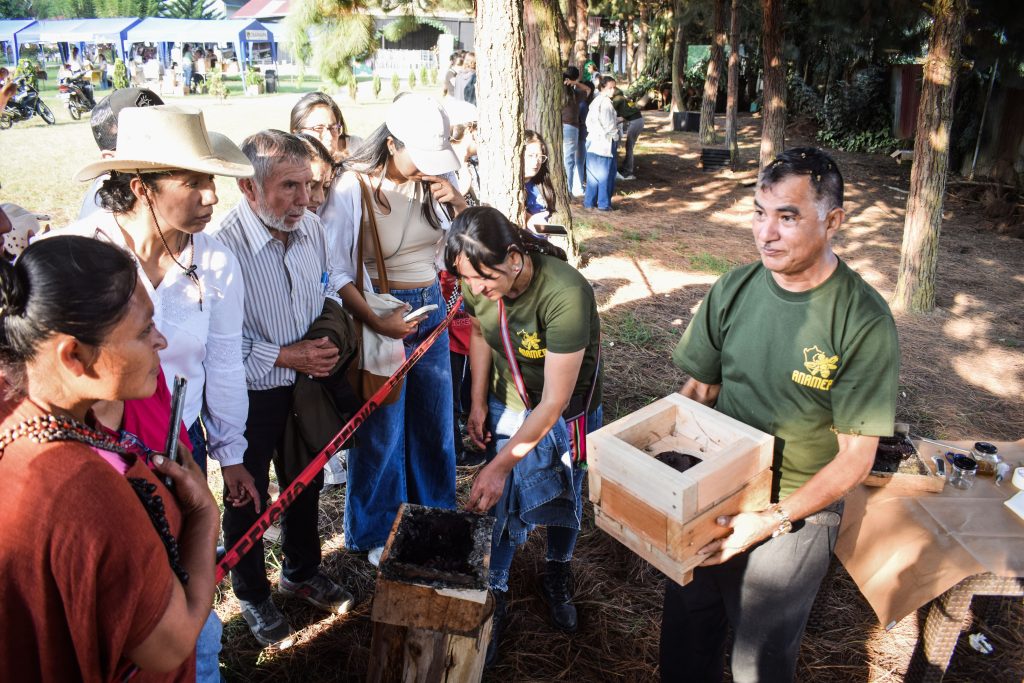
Field exercise conducted during the meeting.
Photo: Profonanpe
About Poli-LAC in Peru
In Peru, the project “Regional Action to Improve the Protection of Pollinating Insects and Pollination Services in Latin America and the Caribbean (Poli-LAC),” led by the Ministry of the Environment in partnership with the Pollinators Technical Group, the Ministry of Agricultural Development and Irrigation and Profonanpe, with support from German development cooperation, implemented by GIZ on behalf of the German Federal Government’s International Climate Initiative (IKI).