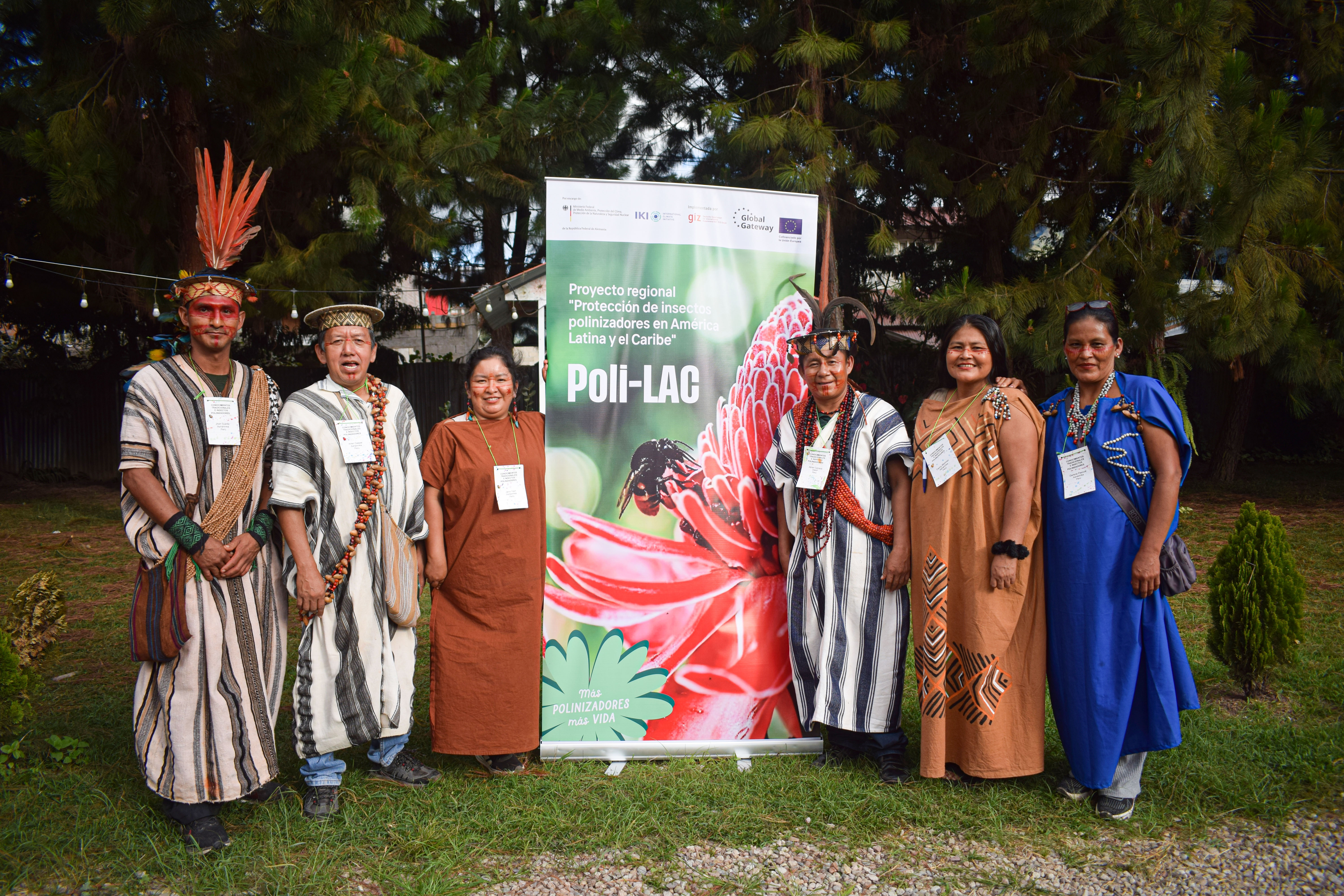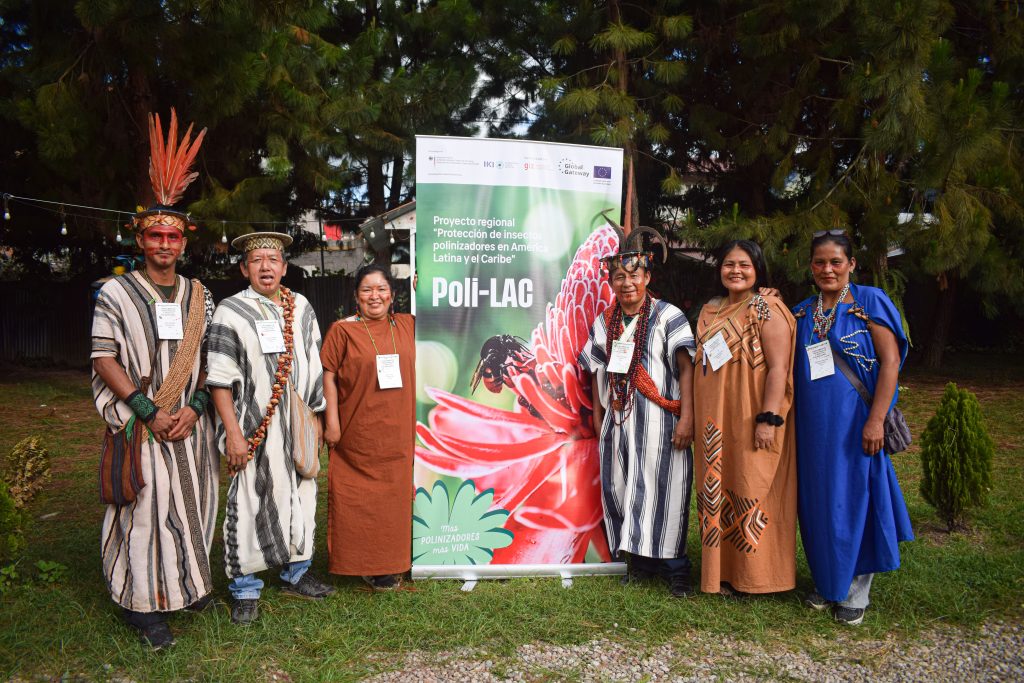
Nearly 70 participants from Brazil, Costa Rica, Paraguay, Mexico and Peru gathered from May 26-29 in the Oxapampa - Ashaninka - Yanesha Biosphere Reserve (BIOAY) to participate in the Regional Workshop on Traditional Knowledge and Pollinating Insects organized by the regional project “Regional Action to Improve the Protection of Pollinating Insects and Pollination Services in Latin America and the Caribbean (Poli-LAC)”. .
The initiative aimed to promote the exchange of experiences and traditional knowledge of indigenous peoples and local communities that contribute to the protection of pollinating insects and pollination ecosystem services that sustain biodiversity and food production.
During four days, participants shared experiences, initiatives and best practices, highlighting the role of traditional knowledge in the sustainable management of ecosystems and the protection of biodiversity.
Valuing knowledge and protecting territories
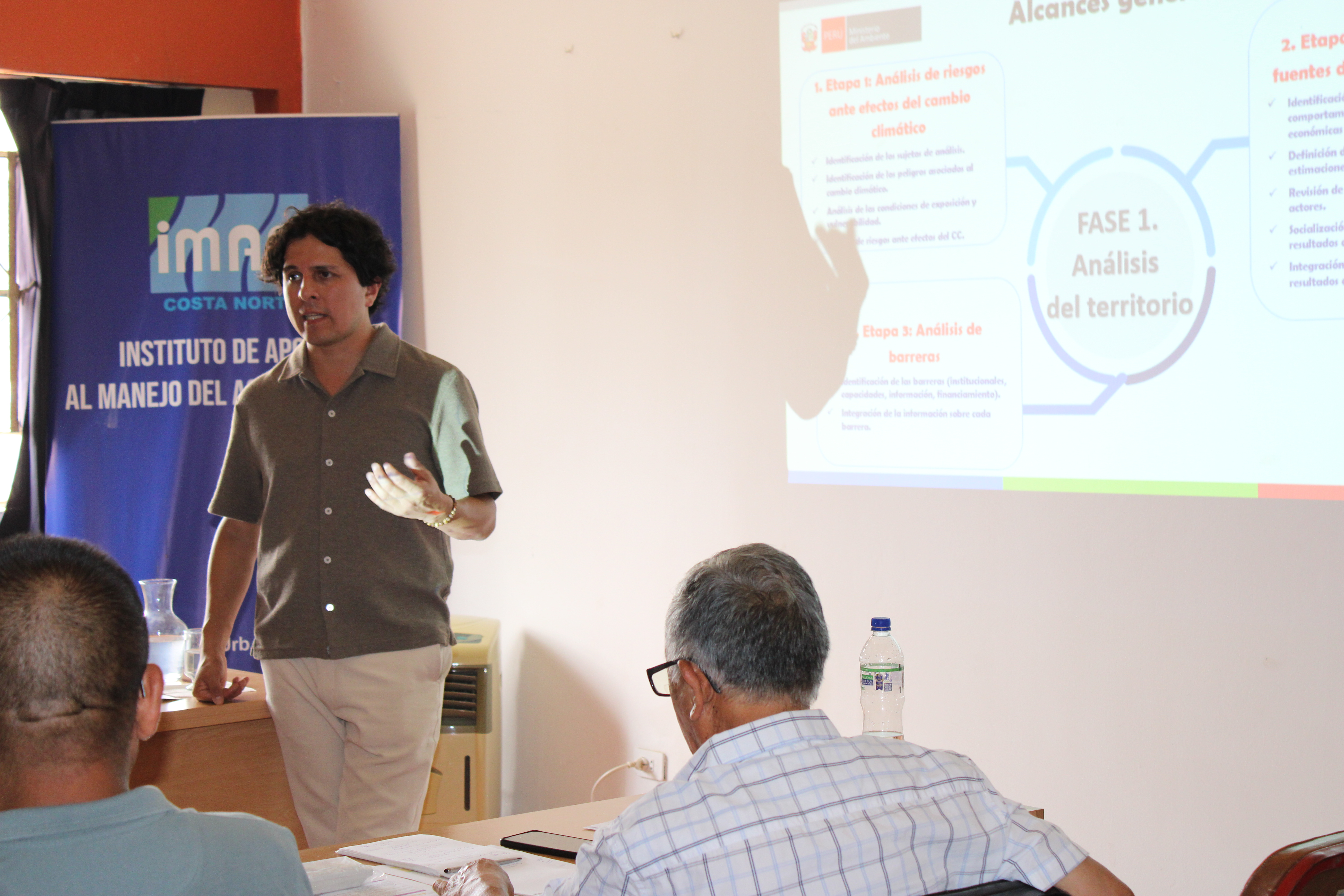
The meeting made visible the importance of incorporating safeguards that guarantee respect for the rights, knowledge and practices of indigenous peoples in conservation initiatives. In this context, Profonananpe shared its experience in the implementation of these mechanisms through the presentation «Valuing knowledge and protecting territories: Profonanpe's safeguards for working with indigenous or native peoples in Peru», presented by Yohannaliz Vega, head of the Office of Indigenous or Native Peoples of the institution.
During his presentation, he emphasized the importance of incorporating social and environmental safeguards in conservation initiatives, recognizing collective rights, traditional knowledge and the close relationship that indigenous peoples maintain with their territories and biodiversity.
Juana Kuramoto, manager of Profonanpe's Research and Development Office, who will contribute to the systematization of the event, also participated. During the event, she emphasized the importance of articulating traditional knowledge and scientific knowledge in favor of the development of the territories at the local level. He also stressed the need to promote public policies that recognize this local knowledge and promote its intergenerational transmission.
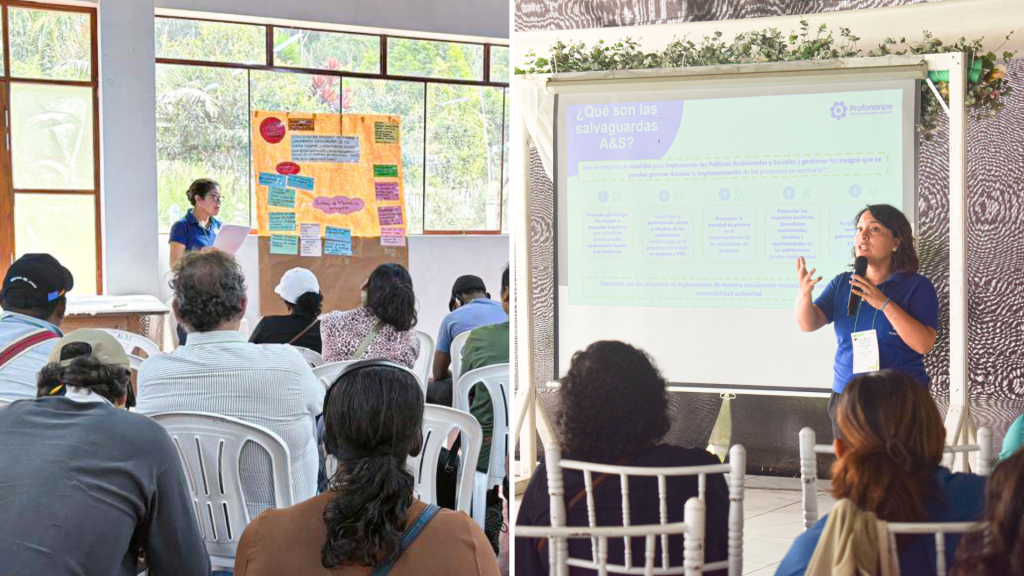
Representatives of Profonanpe, implementing partner of the Poli-LAC project at BIOAY.
Getting to know local experiences
As part of the activities, on May 29, a field visit was made to the Yanesha native community of Tsachopen, located in the district of Oxapampa. The visit was led by the Federation of Native Yanesha Communities (FECONAYA) and the Asháninka del Pichis Nationality Association (ANAP), organizations that shared experiences and knowledge related to the protection of pollinators and the sustainable use of biodiversity.
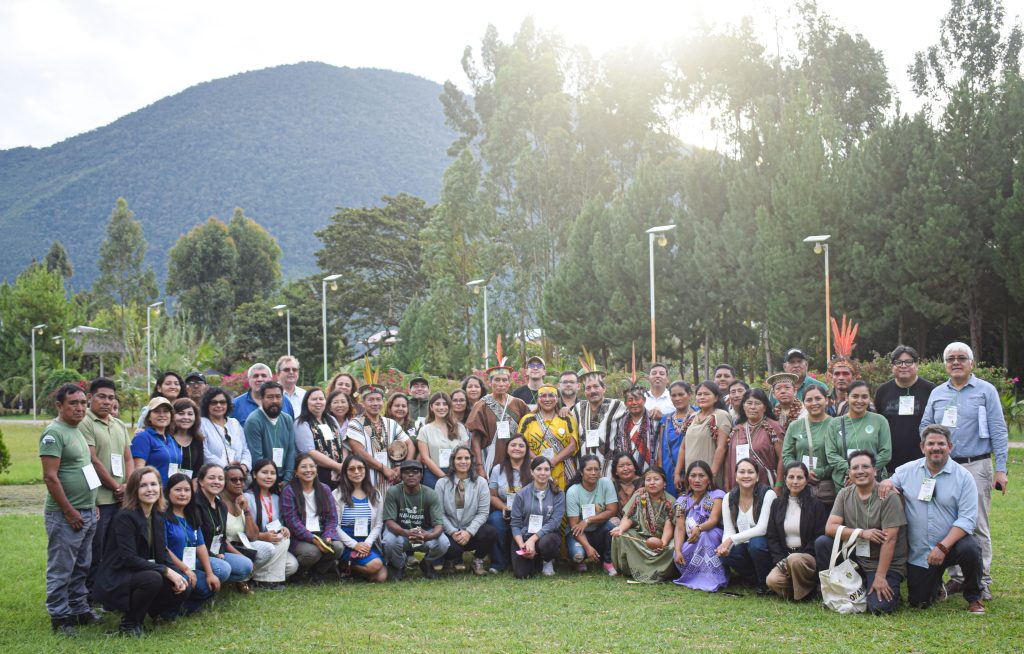
Delegations from Brazil, Costa Rica, Paraguay, Mexico and Peru gathered at the regional workshop.
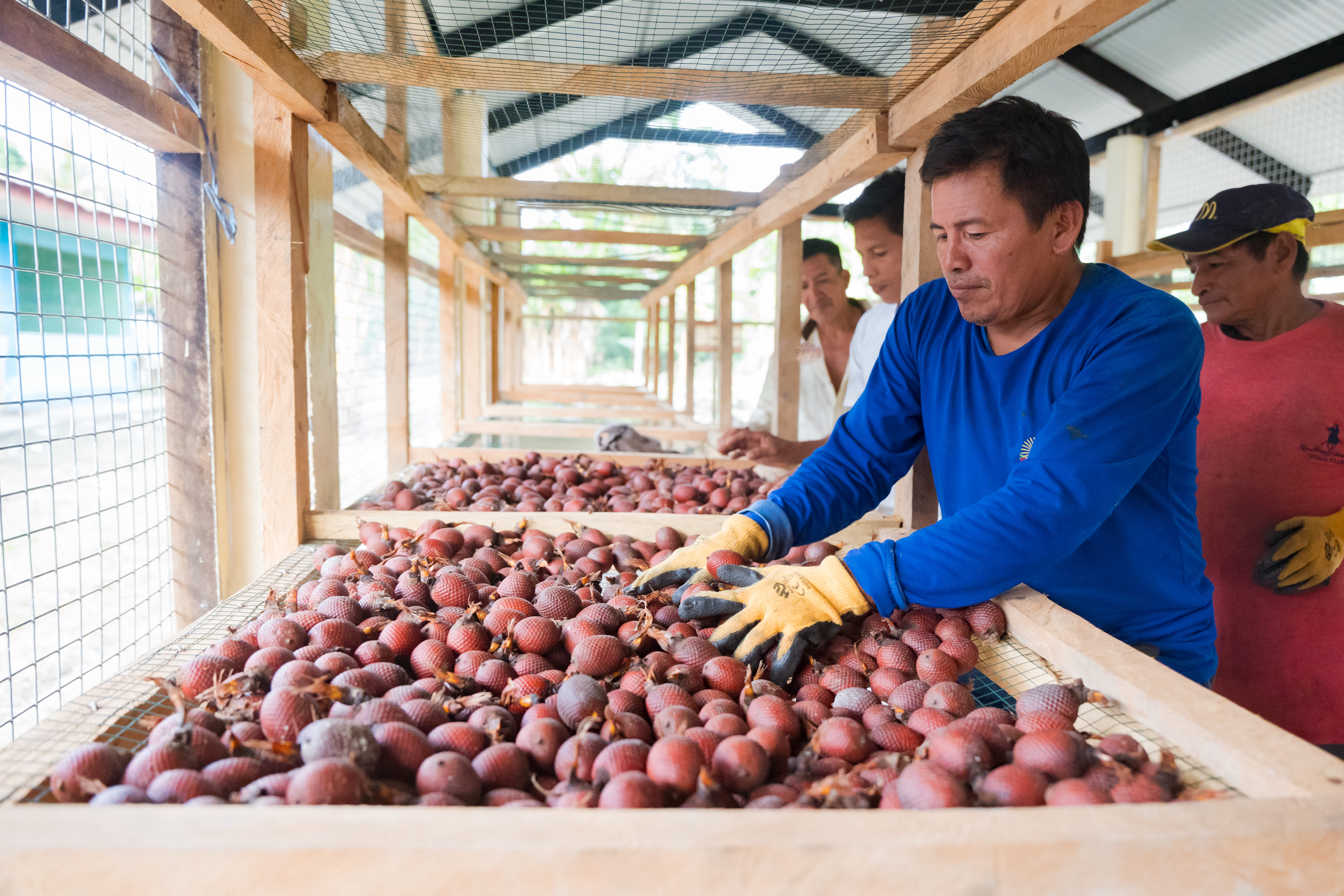
During the visit, participants learned about initiatives related to medicinal plants and their link with pollinating insects, the production of natural fabric dyes from plant species, meliponiculture practices and experiences with coffee crops that depend on pollination ecosystem services. These activities made it possible to highlight the contribution of indigenous peoples' traditional knowledge to biodiversity conservation and the strengthening of sustainable livelihoods.
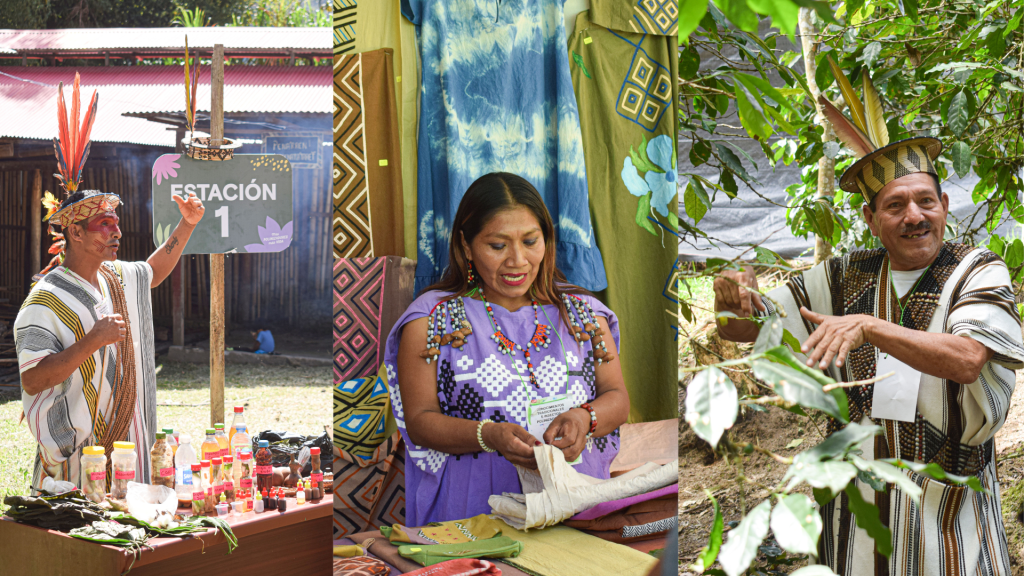
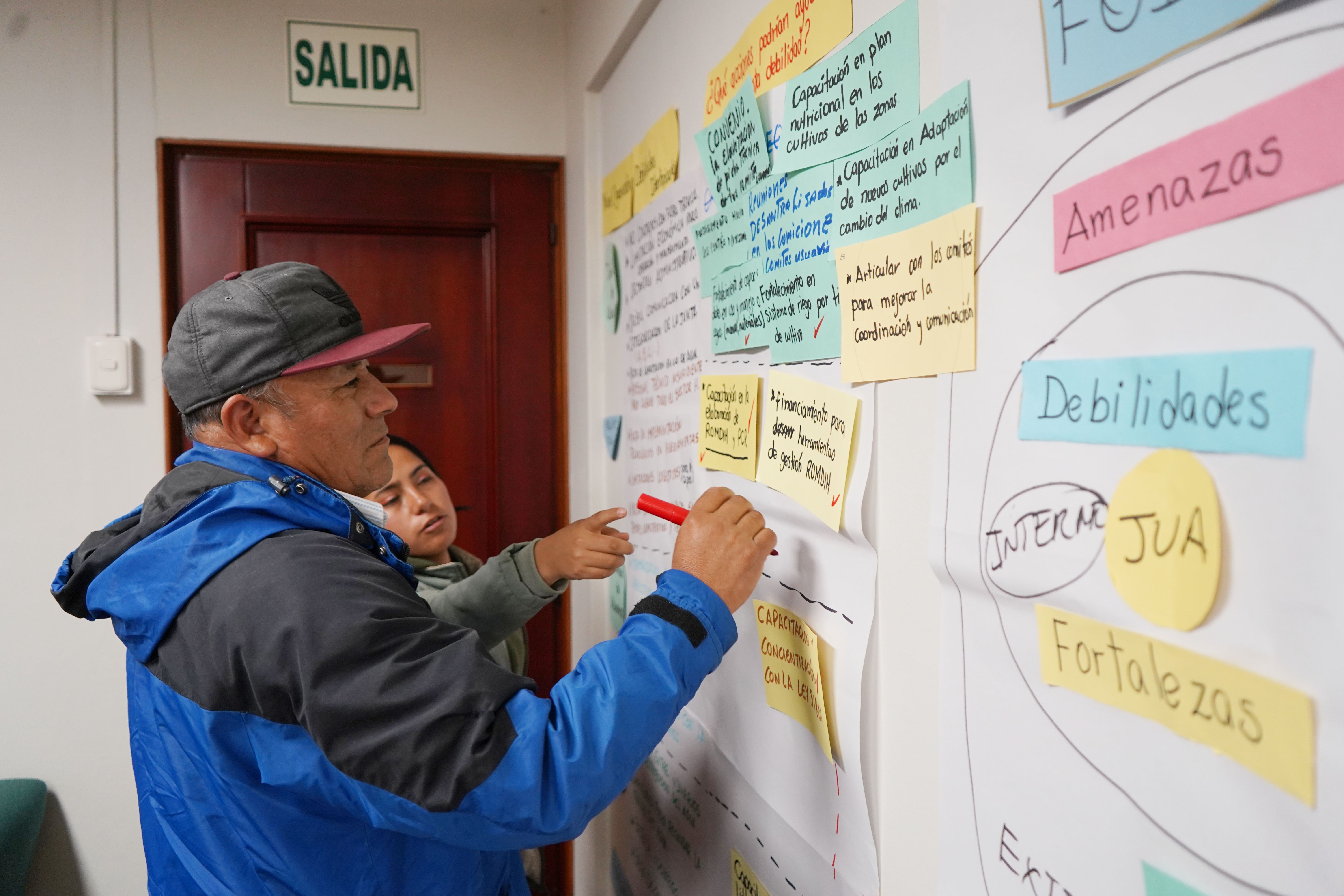
Information stations on traditional Ashaninka and Yanesha knowledge presented during the field visit.
About Poli-LAC
In Peru, the regional Poli-LAC project is led by the Ministry of Environment, in partnership with the Ministry of Agrarian Development and Irrigation and Profonanpe, with the support of German development cooperation, implemented by GIZ, on behalf of the International Climate Initiative (IKI) of the German Federal Government. The IKI is attached to the Federal Ministry for the Environment, Climate Protection, Nature Conservation and Nuclear Safety (BMUKN).