“We have knowledge and practices that allow us to solve problems of different types, such as the impact of climate change. We must be considered part of the solution,” says Rivera.
Peru is one of the most diverse countries in Latin America: there are 55 indigenous or native peoples and 48 different languages are spoken in more than 9,000 localities throughout the country. In addition, more than 50% of Peru's Amazonian forests are located in indigenous territories.
Having updated data is essential to work collaboratively with indigenous peoples. Currently, the IV Census of Indigenous Communities is being developed, which is part of the National Census 2025.
During the COVID-19 pandemic, Tarcila adds, many communities, with special leadership from women, found autonomous responses for health and nutrition based on the use of medicinal plants and sustainable management of the environment. For her, this shows that cultural diversity is a real tool for adaptation and resilience in the face of global crises.
The current census seeks to collect information on the organization, territory, health, education and natural resources of native and peasant communities of indigenous peoples. However, organizations warn that the challenge remains to ensure a truly intercultural approach that translates this information into effective and participatory public policies.
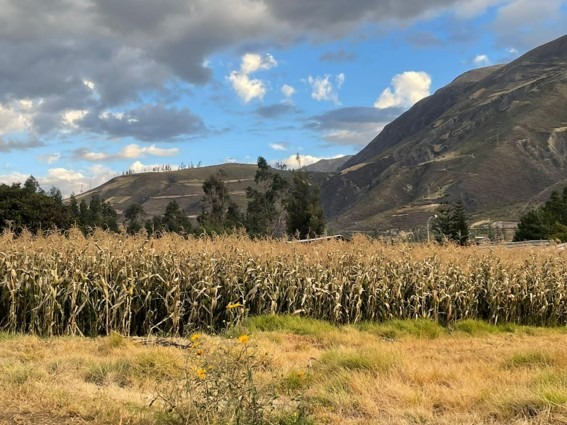
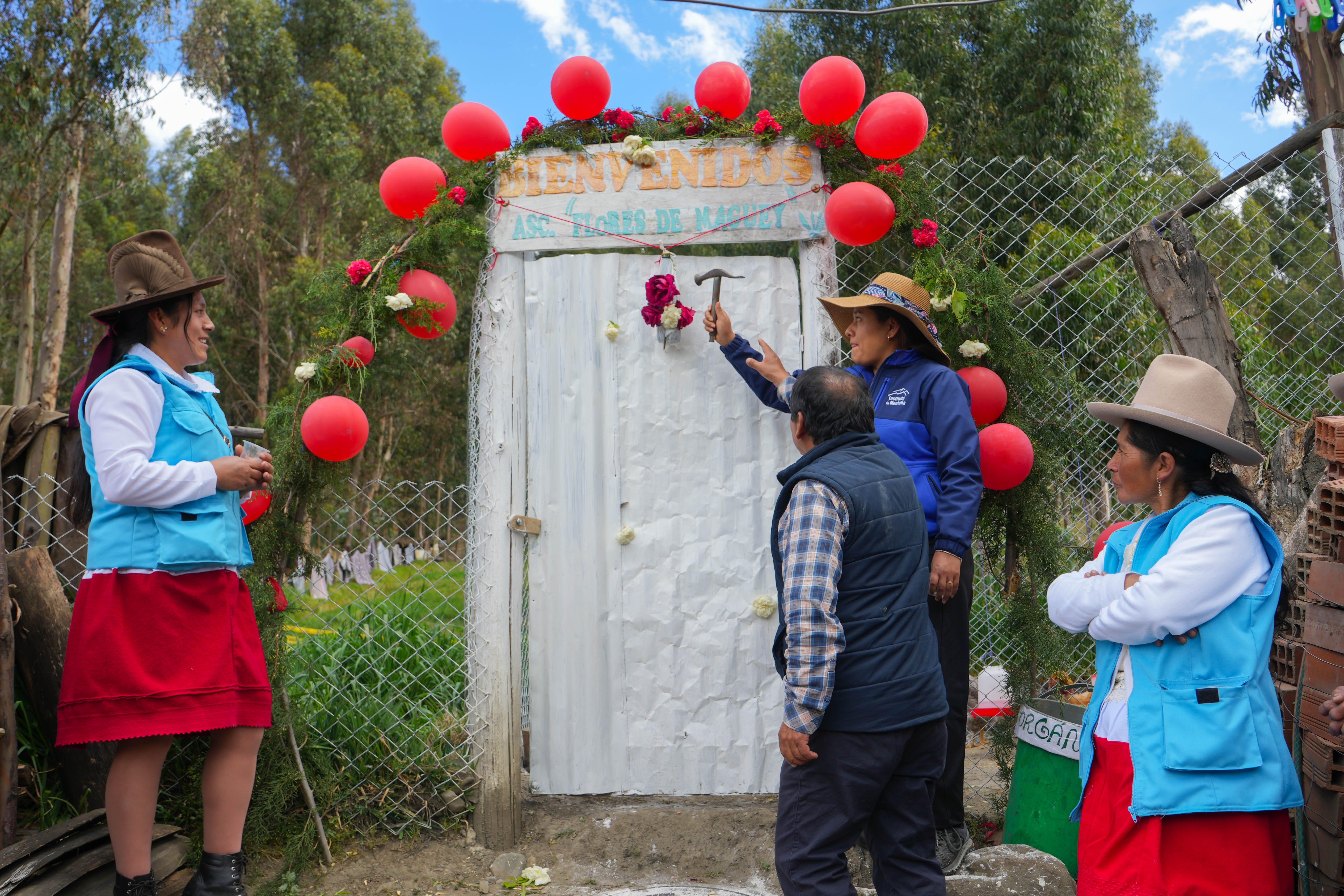
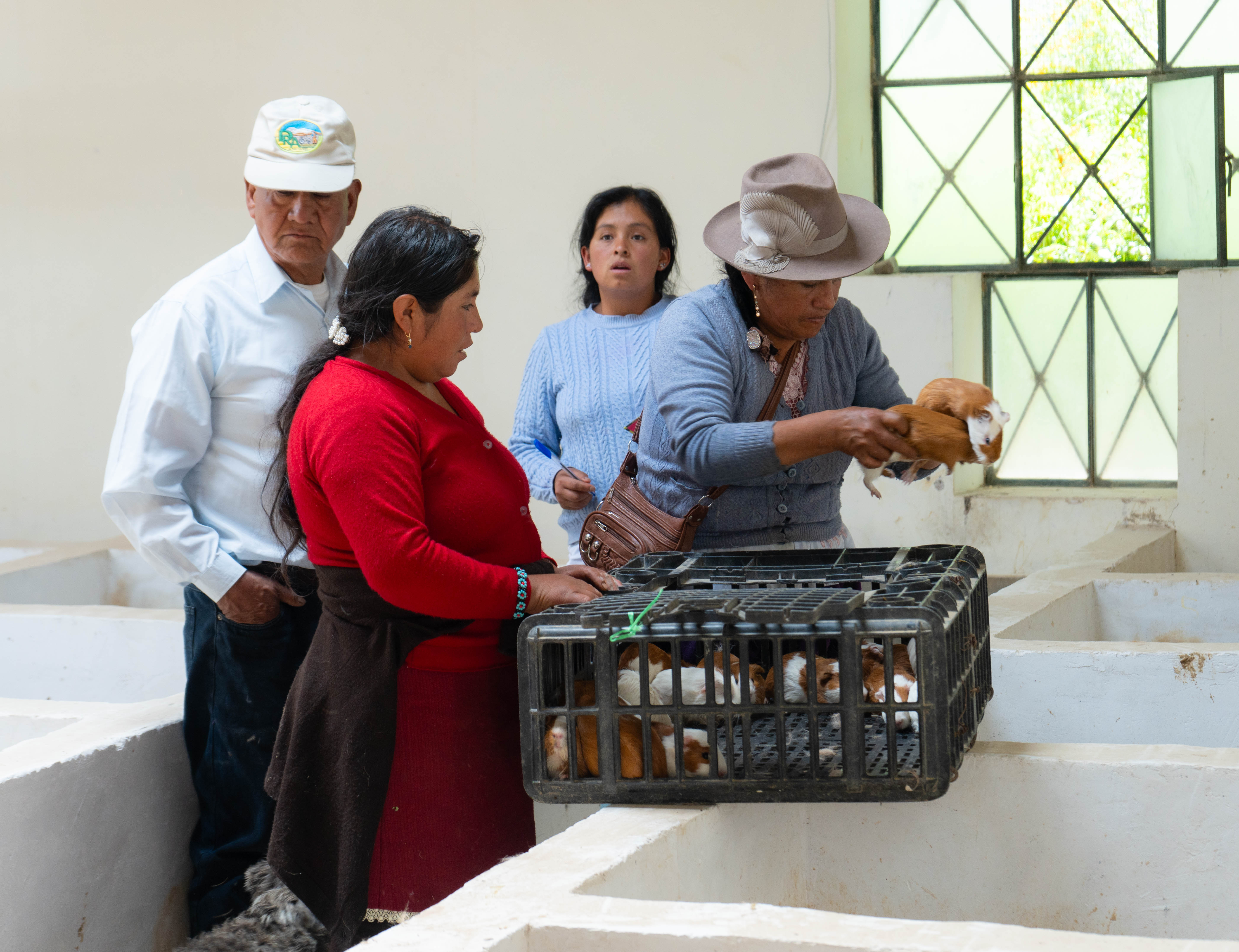
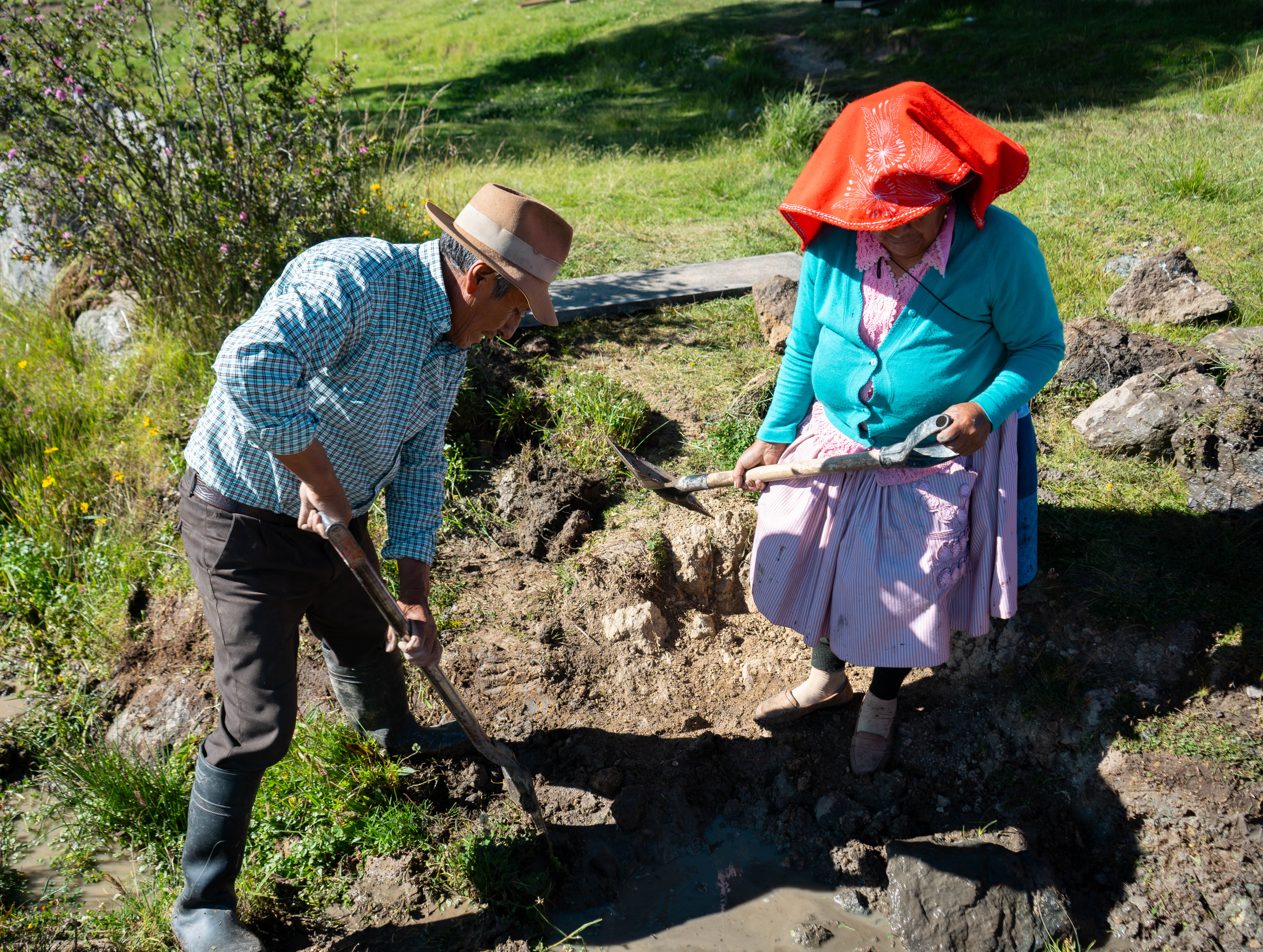
In the territories, indigenous communities manage water and soil, conserve native seeds and practice sustainable agriculture. Women play a leading role: according to the Food and Agriculture Organization of the United Nations (FAO, 2017), they are part of the poorest sectors and face greater barriers to access resources and training, which increases their vulnerability to climate change (Weeratunge & Snyder, 2010).
“We know our territories, we know how to take care of water, how to feed and heal ourselves. This knowledge is also a response to climate change,” Tarcila emphasized.
For Rivera, moving towards real climate justice implies recognizing the knowledge of indigenous peoples as strategic assets and ensuring the full participation of women in decision-making, policy planning and the management of climate adaptation funds.
These reflections are part of Profonanpe's “Natural Capital” podcast, where Tarcila Rivera Zea discusses the value of indigenous peoples“ knowledge, the role of women and the need to include cultural diversity as a central axis of climate action strategies. Listen to the chapter ”Indigenous knowledge that adds to climate action - Episode 3".” here: https://www.youtube.com/watch?v=BW04Pyrnao4