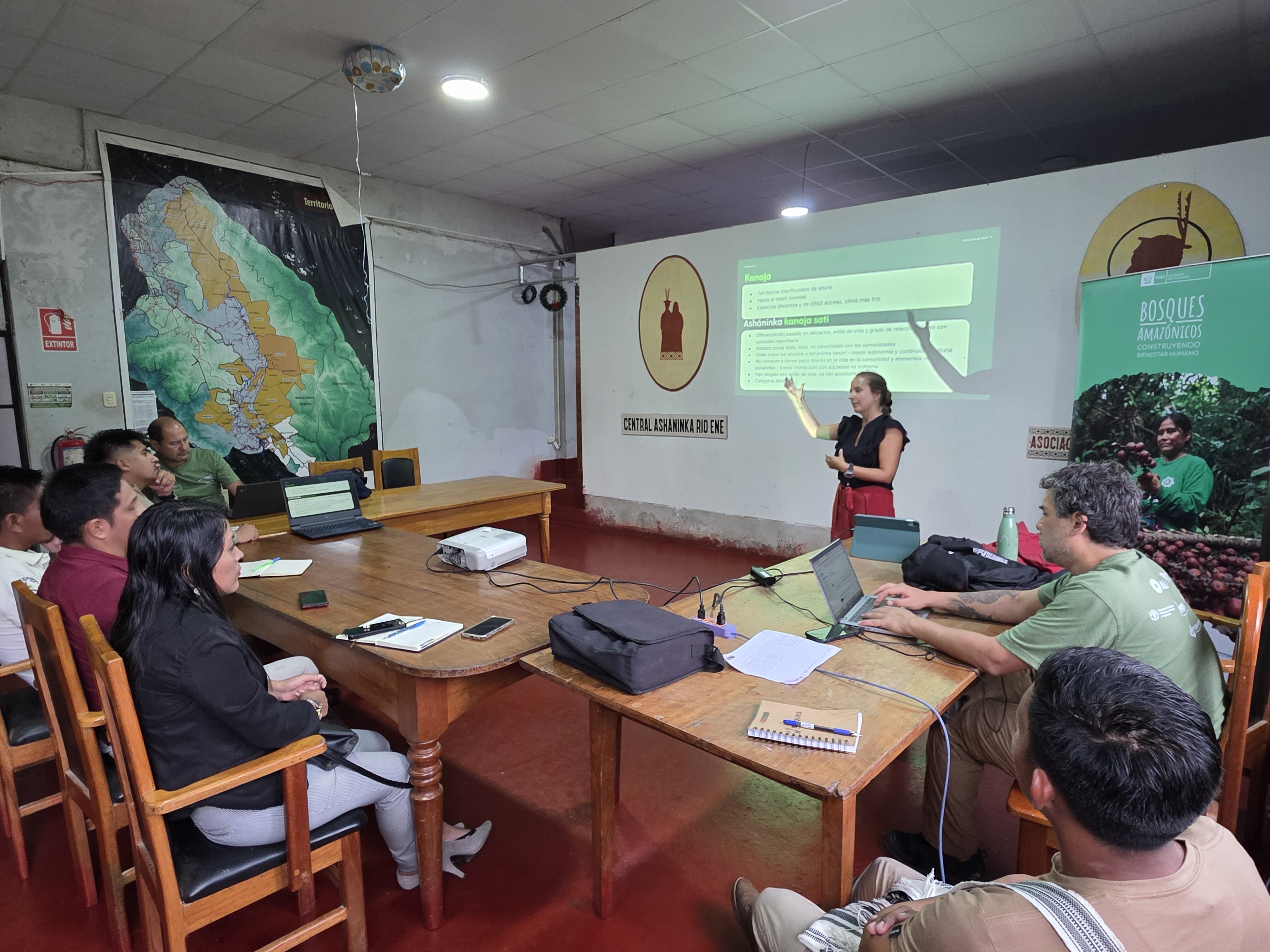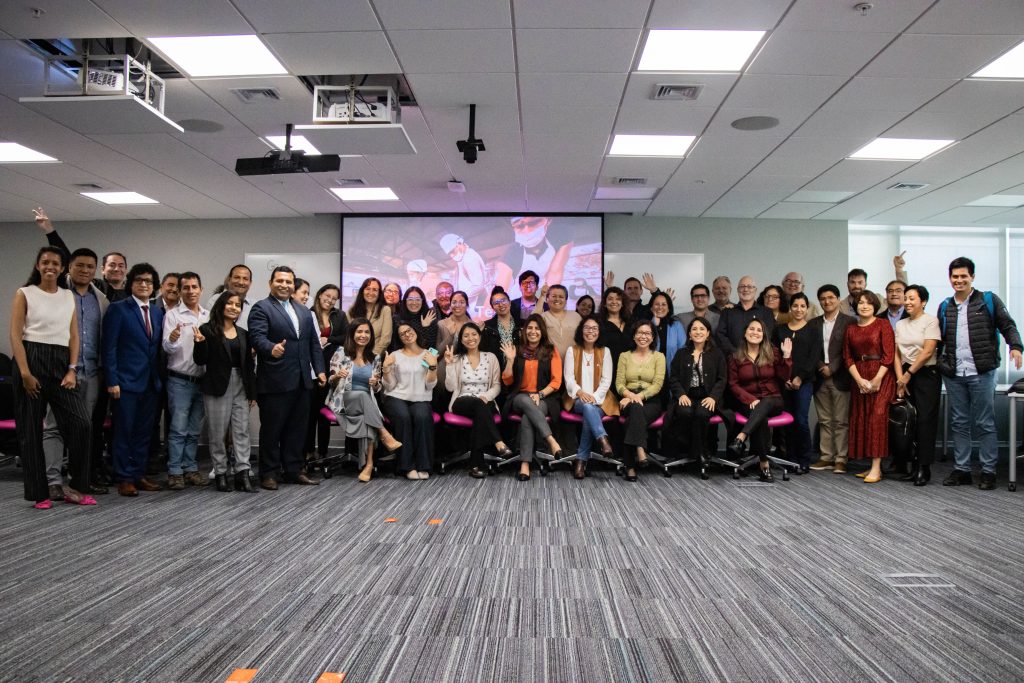
On Tuesday, November 21st, the third edition of Thematic Roundtables took place, a meeting where specialists from the public and private sectors, as well as civil society, share their reflections and experiences to strengthen the institution's environmental agenda. This event addressed the opportunities and challenges in implementing bio-businesses to promote sustainable development in the Amazon, with the aim of fostering synergies among diverse stakeholders and discussing the bio-business model of the Datem Wetlands Project. Participants also sought to gain shared insights to identify the critical issues to consider and resolve in this type of intervention model in the Amazon.
According to the Ministry of the Environment, there are three related or interconnected terms: eco-businesses are businesses that offer goods and services that contribute to environmental protection, seeking economic, social, and environmental sustainability with a fair distribution of benefits. Bio-trade, for its part, refers to the activities of harvesting, producing, processing, and marketing goods and services derived from biodiversity. Finally, bio-businesses are based primarily on the sustainable use of resources.
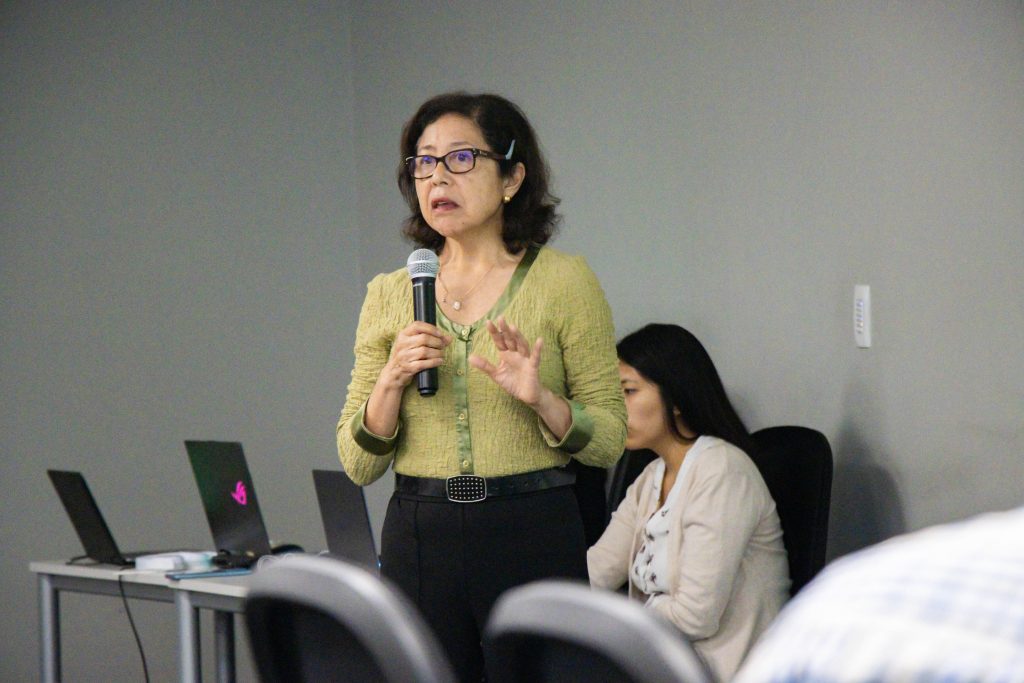
In this regard, Juana Kuramoto, Head of the Research and Development Office of Profonanpe, provided an introduction to biobusiness models in the region, highlighting that these represent a promising strategy for the sustainable use of resources and the improvement of living conditions for indigenous communities, as long as they are addressed in an integrated manner, considering environmental, social and economic aspects.
Patricia Balbuena, director of the Datem Wetlands Project at Profonanpe, shared the strategies applied for the development of bio-businesses in the Loreto region, highlighting co-creation with Indigenous communities, formalization, market access, and the implementation of sustainable technologies. This initiative seeks to merge traditional knowledge with environmentally friendly technologies to generate high-quality products with commercial value, transforming natural capital into economic capital without harming ecosystems. The adopted bio-business model is organized into productive bio-corridors, forming community clusters of ventures strategically located in carbon and biodiversity hotspots, composed of anchor bio-businesses and associated production units.
«"This is a project that has a unique aspect in the area of bio-businesses; it's a project that works with native communities. Bio-businesses are established on community lands, and within these communities there's a pre-existing structure, the community structure itself, with the community board of directors and the community assembly. You can't start a bio-business if the community and the board of directors, in assembly, don't agree on what you want," he explained.
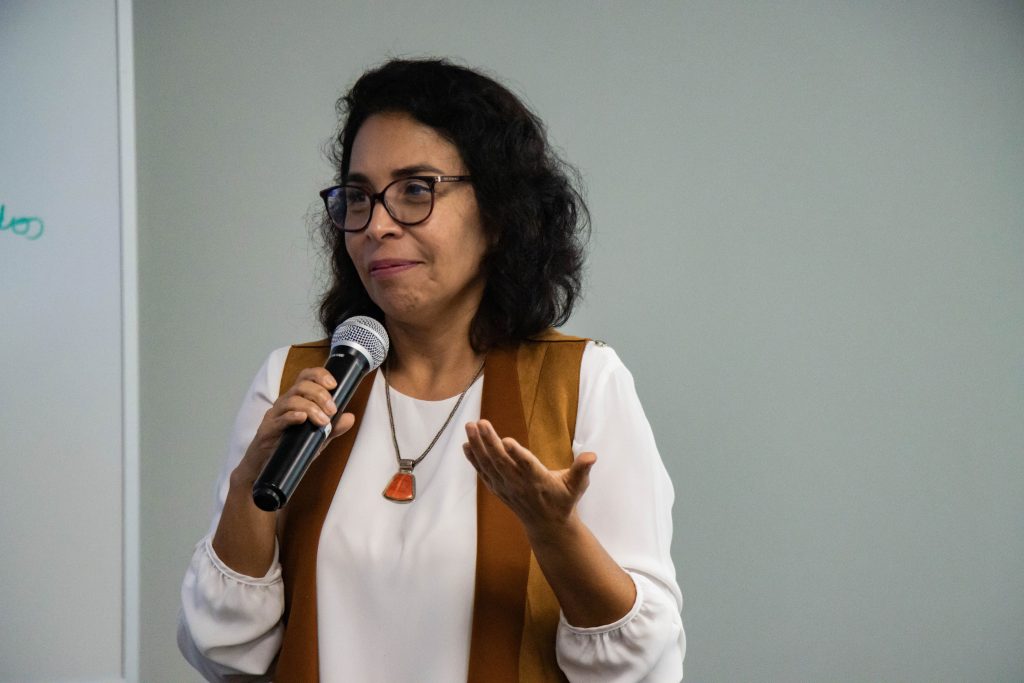
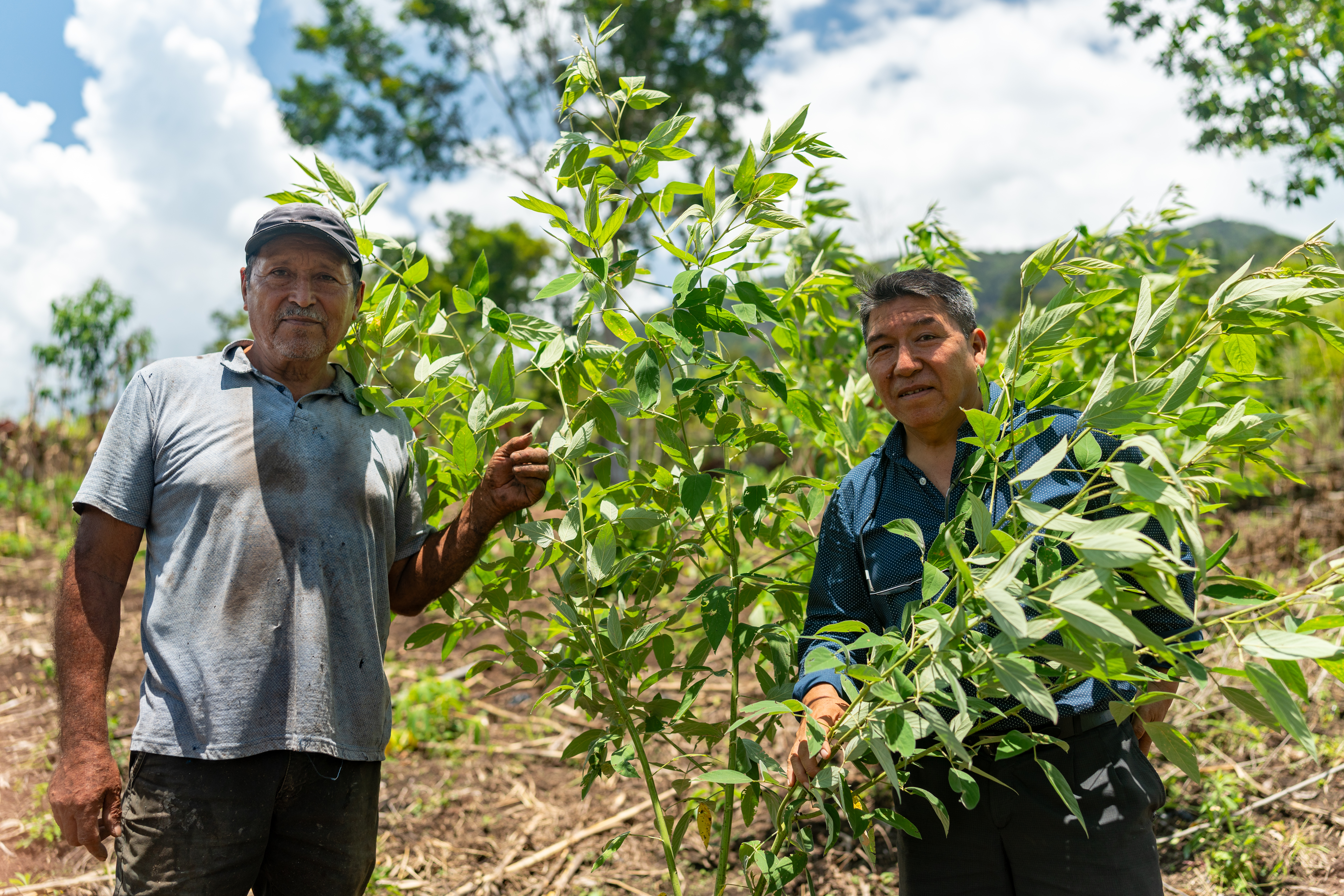
As a result of the project strategy, 61 bio-businesses have been implemented in four productive bio-corridors, benefiting more than 1,000 people from the indigenous communities of Datem del Marañón, which has had a positive impact on the sustainable development of the province, by generating income, creating jobs and contributing to the conservation of wetlands.
Experiences and Reflections:
During the session, the working groups reached various conclusions highlighting the need for bio-businesses in the Amazon and at the national level to be sustainable and have a positive impact on local development. A territorial approach is required that involves local governments, Indigenous communities, and the private sector. This includes establishing enabling conditions at the national level, such as promoting conservation, climate change adaptation, and creating inclusive markets for bio-business products.


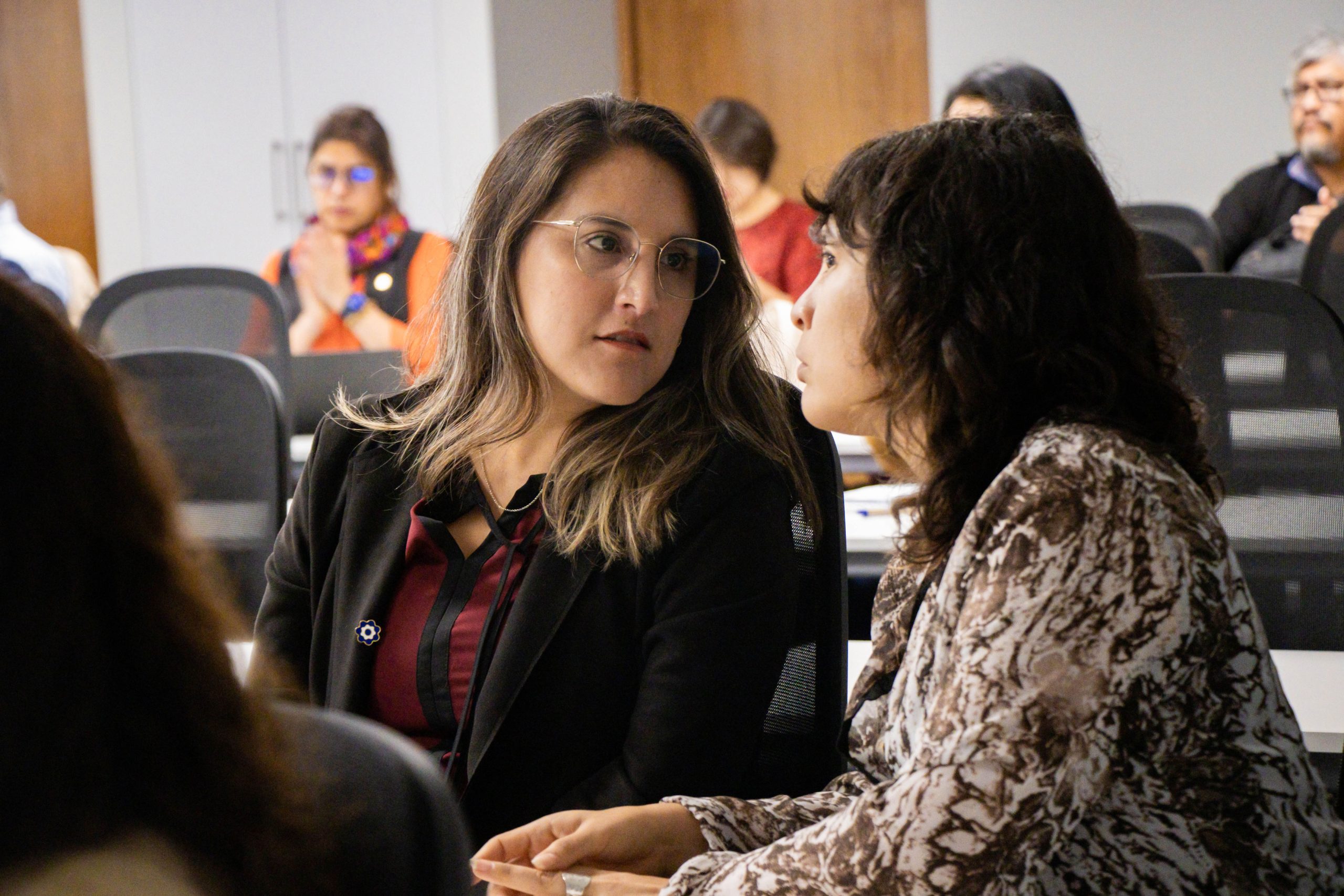

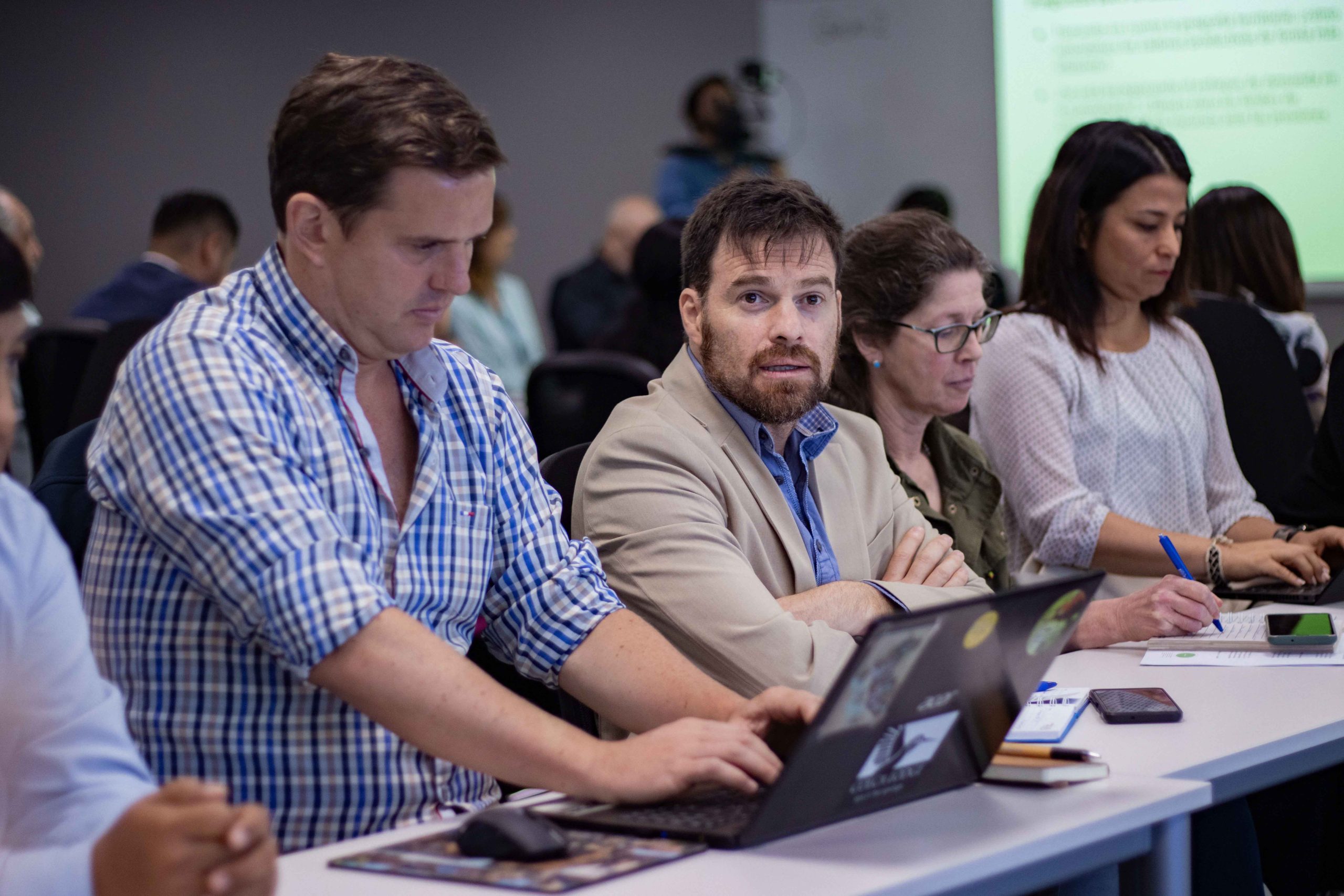
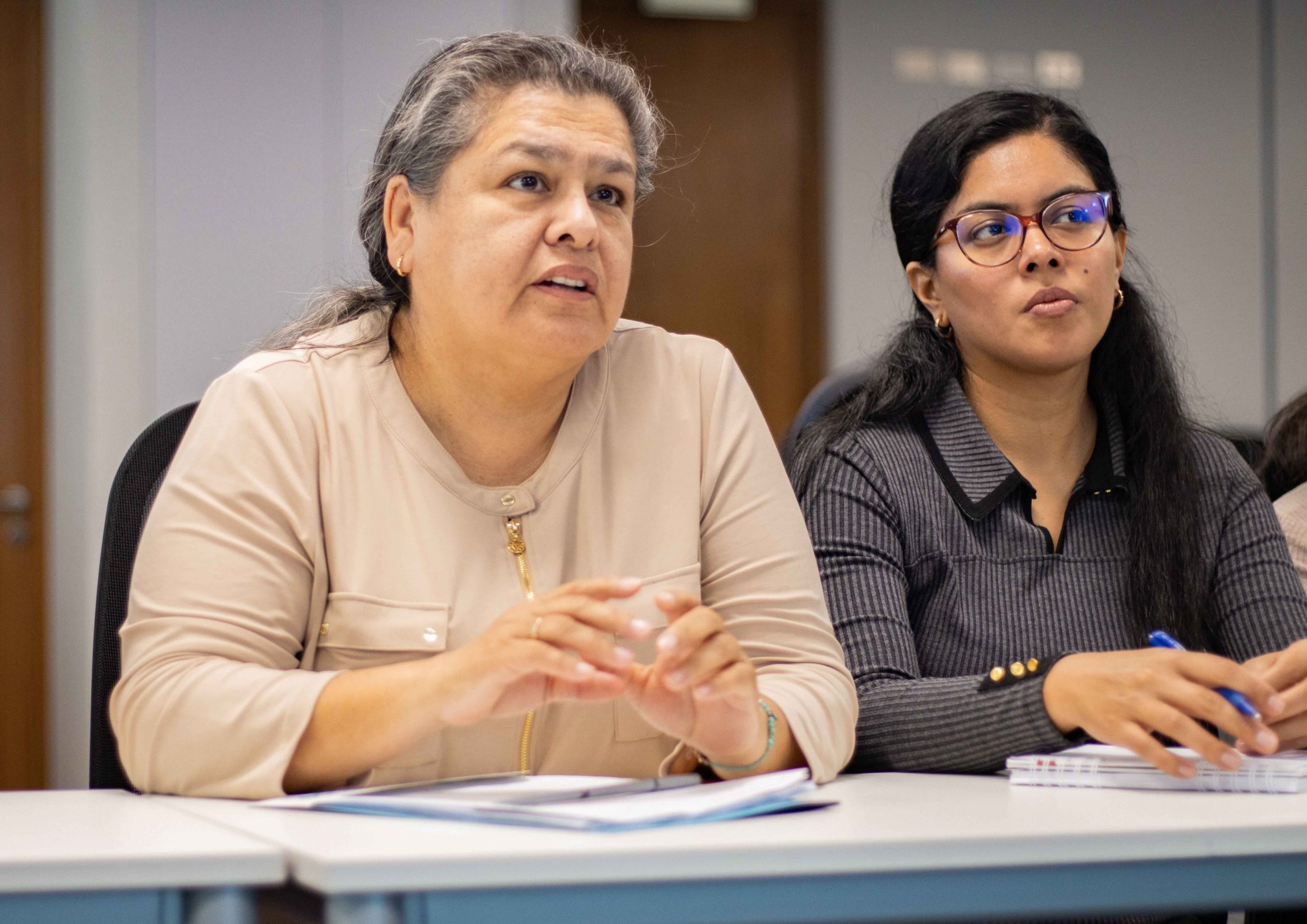

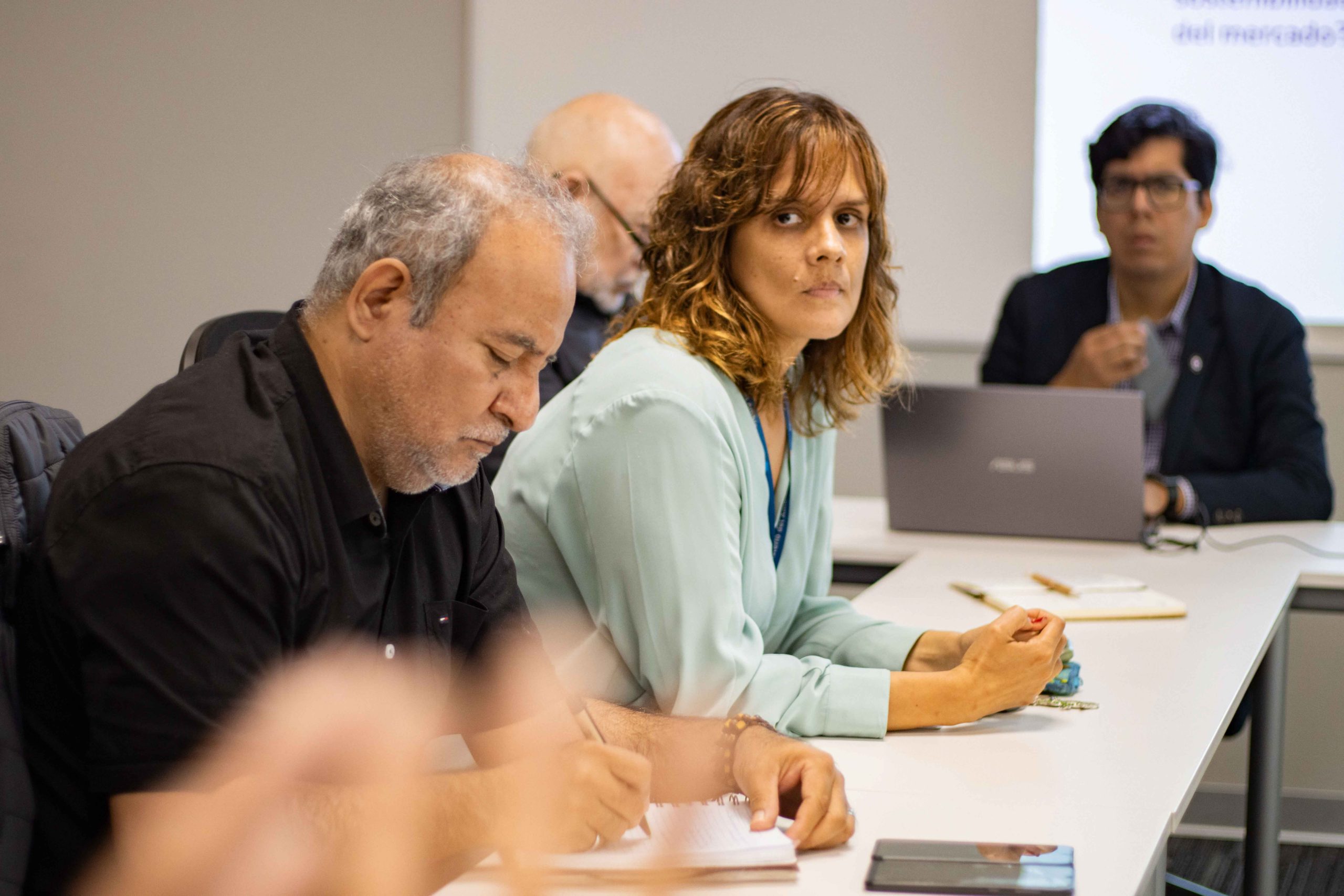


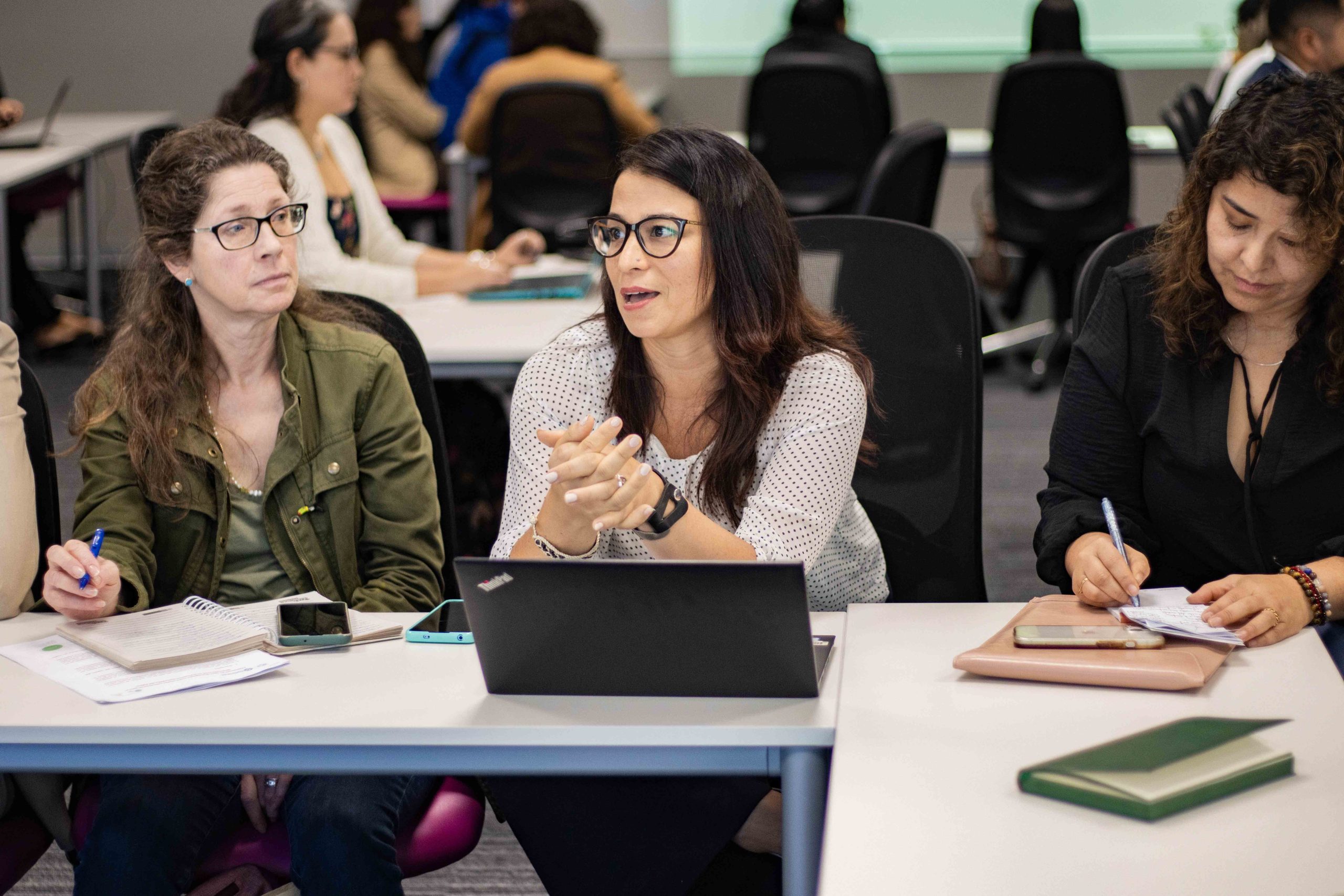
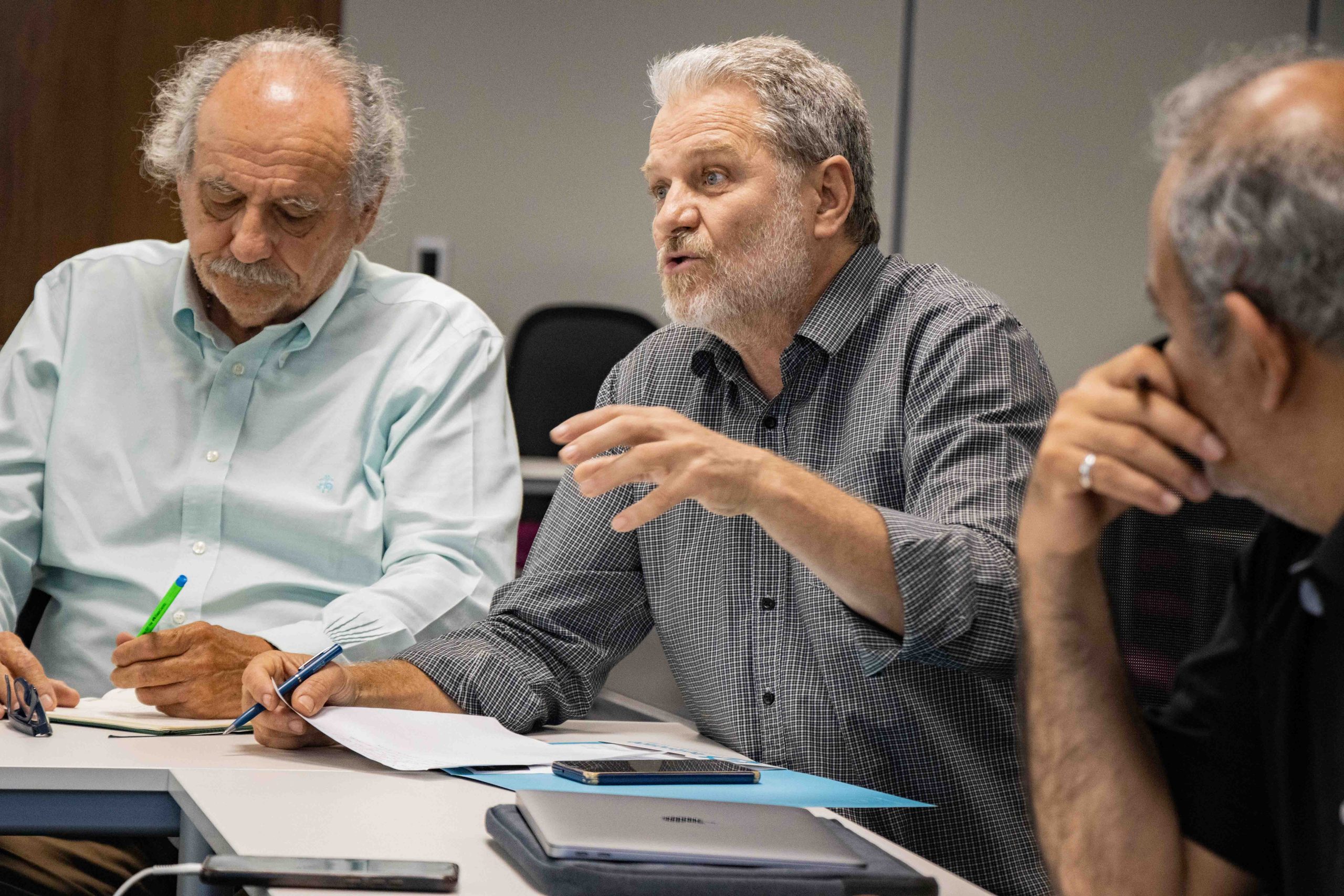
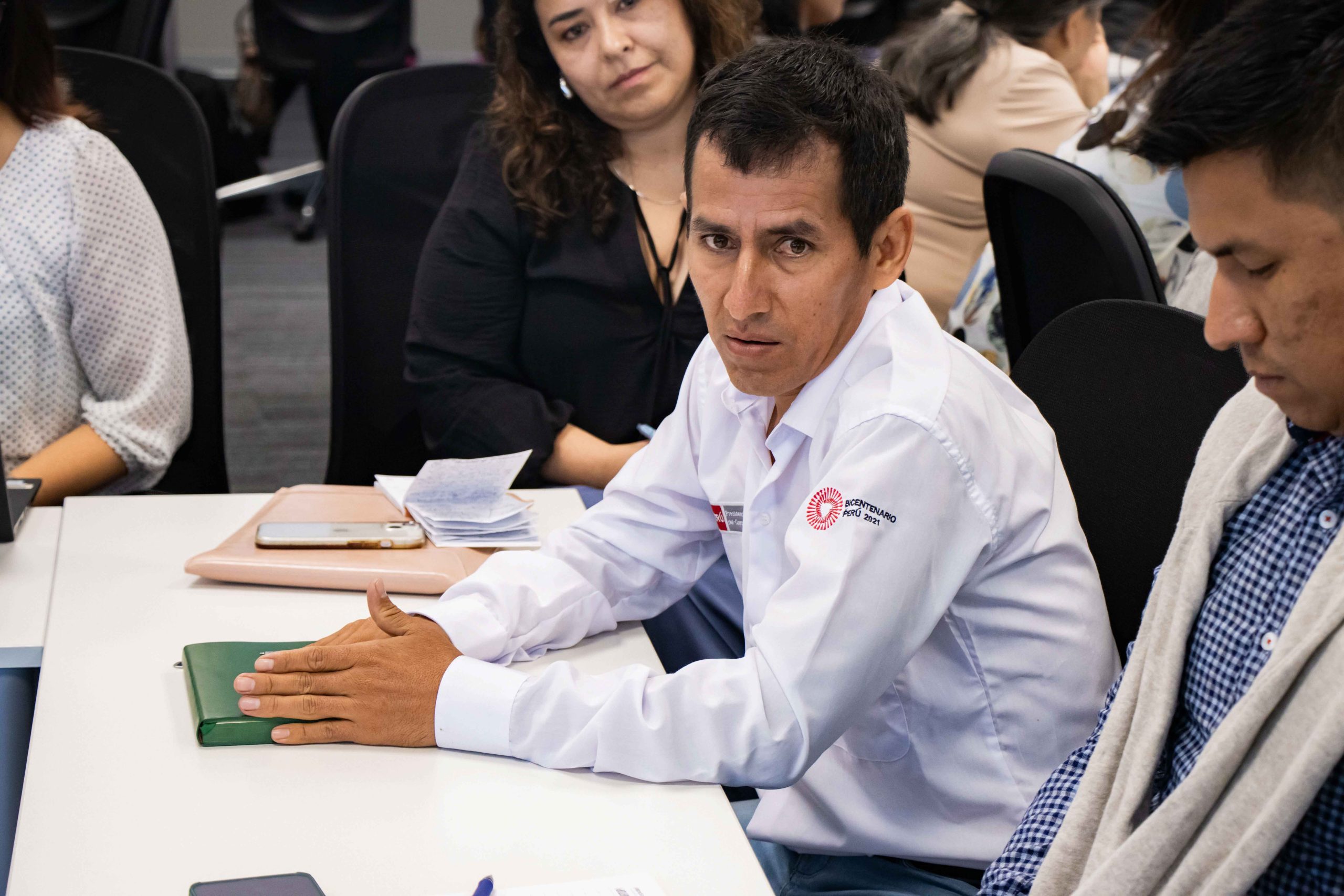
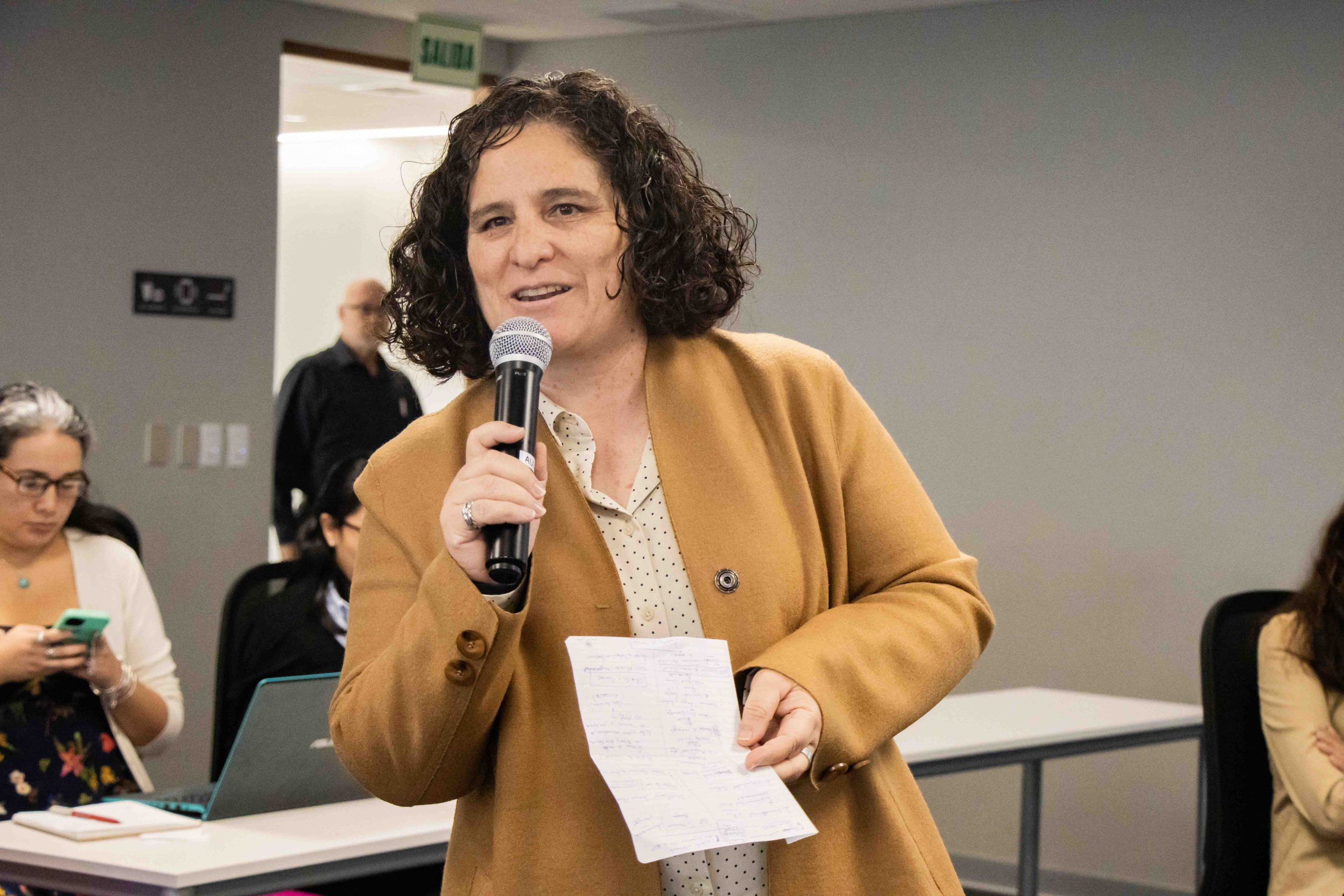
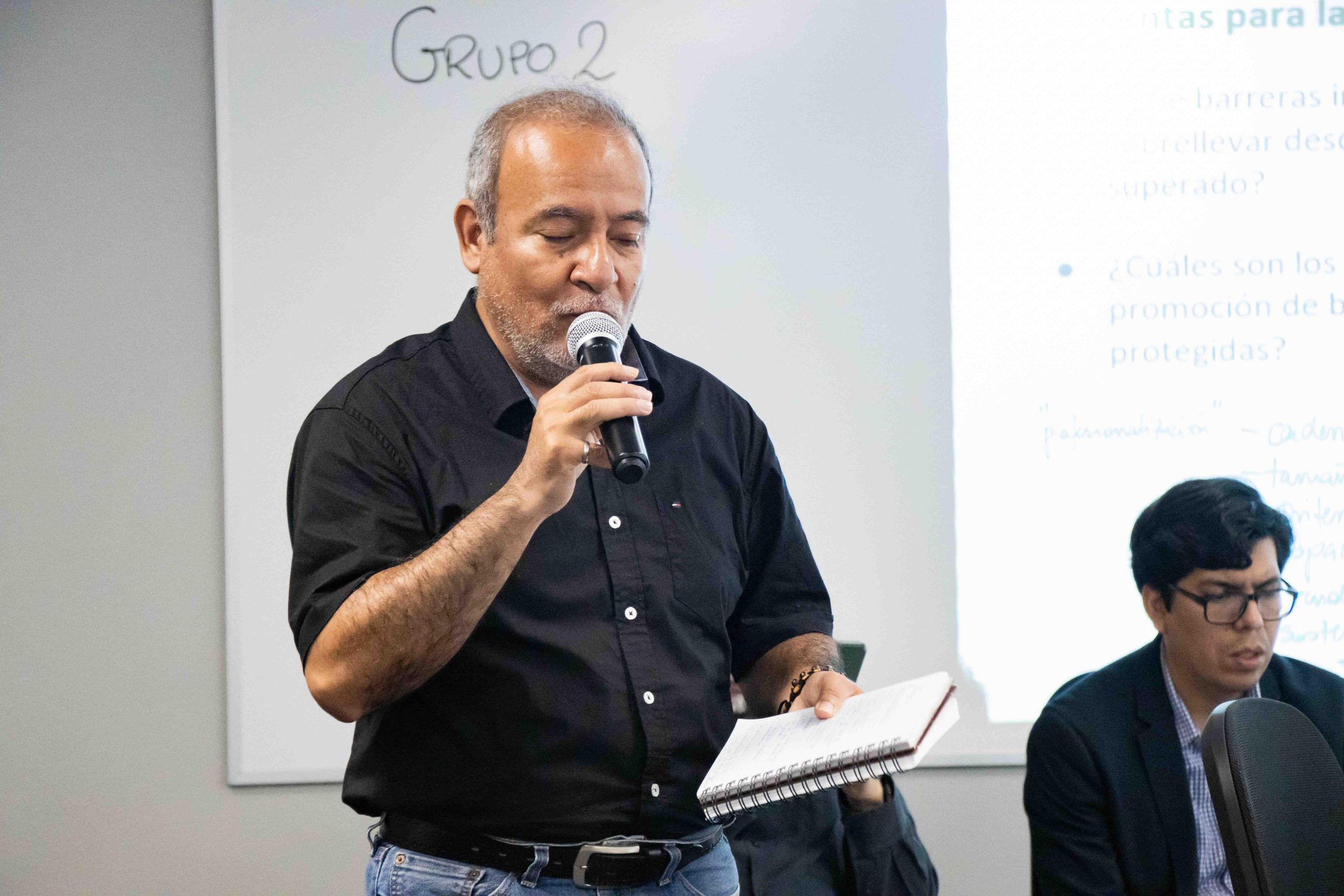
Representatives from the areas that promote or manage biobusinesses of Ministry of the Environment, British Embassy, USAID, IDB, PCM, GIZ, UNESCO, ITP, Conservation International, Candela Peru, Amazon Conservation - ACCA, among others, They were present at this important event. Finally, the last meeting will take place on December 6th and will focus on carbon markets.