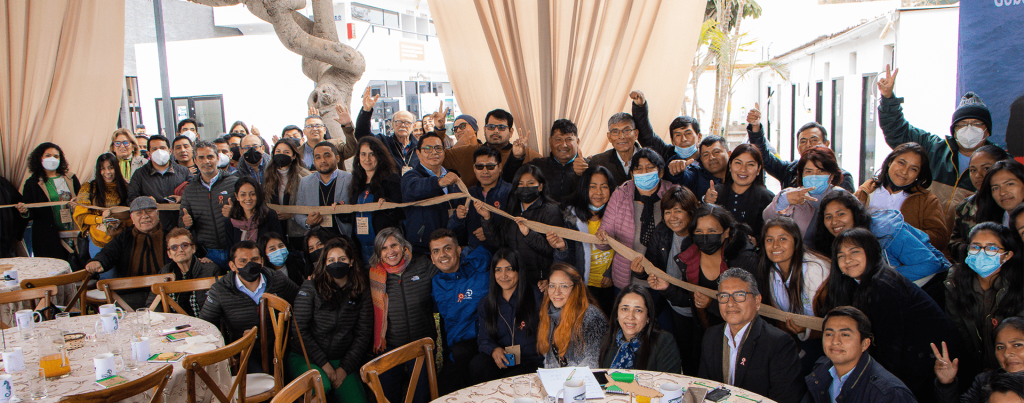
In order to promote innovation in research and public policies for the benefit of the artisanal fishing and tourism sector, the project “Adaptation to the impacts of climate change on the coastal marine ecosystem of Peru and its fisheries” (AMC) executed by Profonanpe, the environmental fund of Peru, developed the Pescatur meeting, which allowed the establishment of 12 priority work topics for the fishing and tourism sector.
The meeting brought together 26 entrepreneurs from the artisanal fishing, tourism, crafts, and bioproduct sectors; representatives from the public sector's foreign trade, production, environment, and culture departments; as well as cooperation agencies and organizations. This forum strengthened the connection between artisanal fishing and tourism as a strategy to promote climate change adaptation and bridge the gap between the perspectives of those working in the field, those implementing cooperation projects, and those designing public policies.
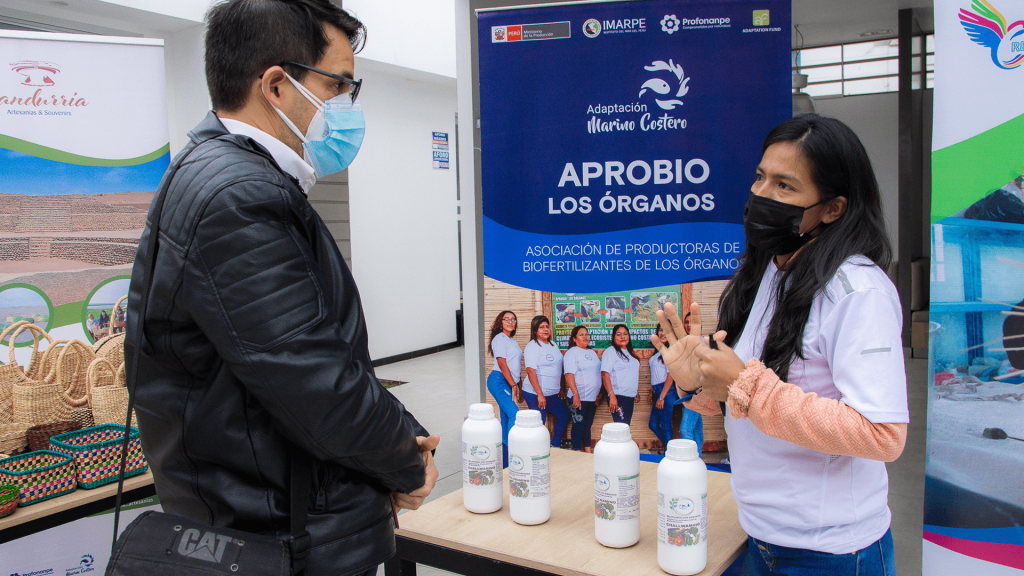
The meeting included projects being promoted within the framework of the Marine Coastal Adaptation project.
To address the link between fishing and tourism, working groups were formed which resulted in the prioritization of 12 key areas:
- Governance and formality
- Local capacity building
- Research, monitoring and evaluation
- Integration and territorial development
- Value chains
- Natural and cultural heritage
- Gastronomy and food safety
- Inclusion and equity
- Safety and health
- Communication and meaningful narratives
- Design of experiential experiences
- Facilitating the formalization of businesses
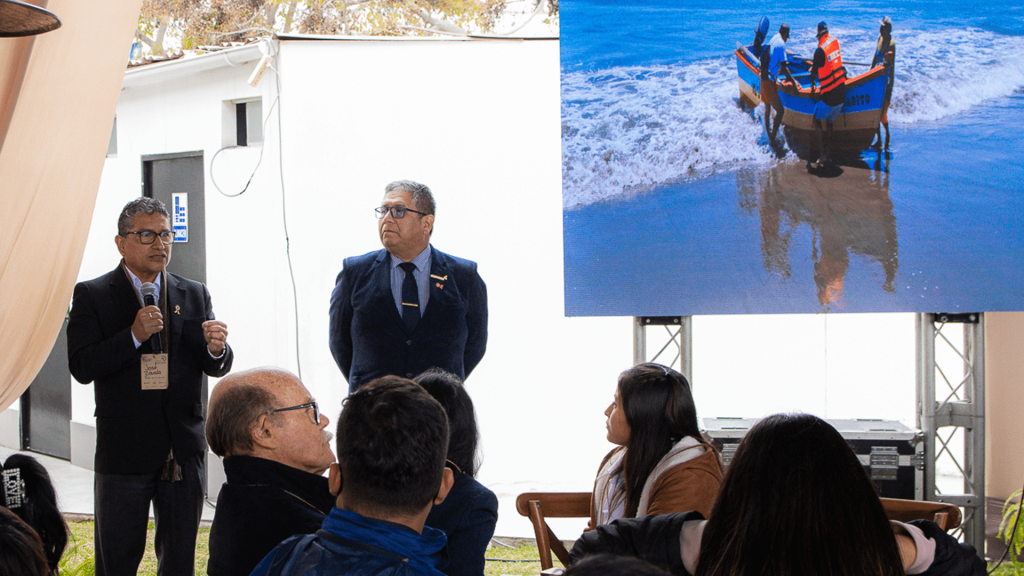
José Zavala, Coordinator of the Marine Coastal Adaptation Project.
«"Promoting economic activities that complement the livelihoods of fishing groups is a key point in promoting climate change adaptation in our communities," commented José Zavala, Coordinator of the AMC Project.
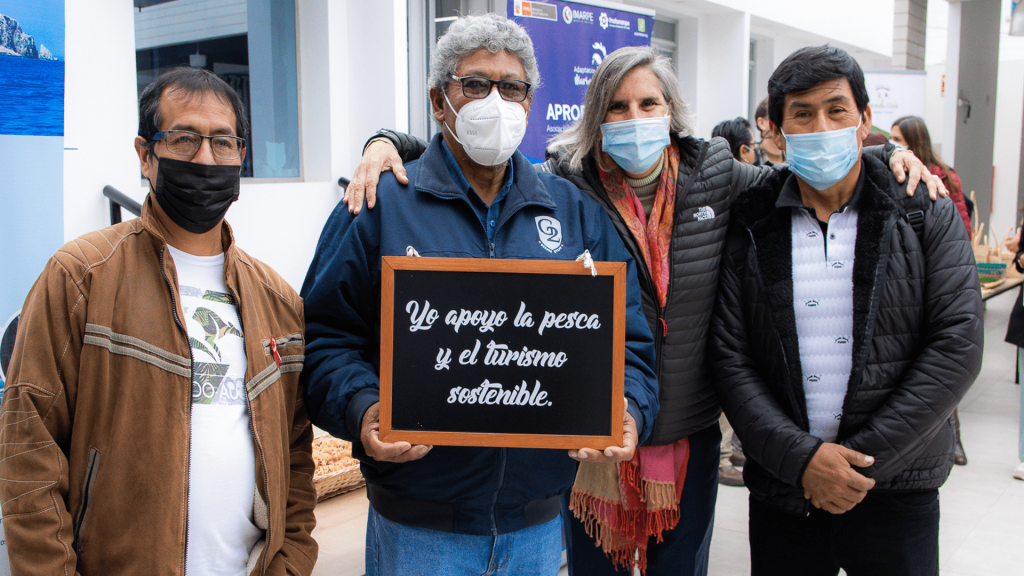
The meeting was also attended by artisanal fishermen from Végueta, Huacho, a pilot area where the Marine Coastal Adaptation project is being promoted.
About the Marine and Coastal Adaptation Project
The project “Adaptation to the impacts of Climate Change on the marine coastal ecosystem of Peru and its fisheries” focuses its interventions on two pilot areas: Huacho (Punta Salinas – Végueta) and Máncora (Cabo Blanco), to reduce the vulnerability of coastal communities to the impacts of climate change on marine-coastal ecosystems and their fishery resources.
In 2016, the project was approved to receive funding from the Adaptation Fund, through Profonanpe. The Ministry of Production is responsible for project implementation, in coordination with the Peruvian Marine Institute (IMARPE) and the "Let's Eat Fish" Implementing Unit of the Ministry, with an implementation period from 2018 to 2023.