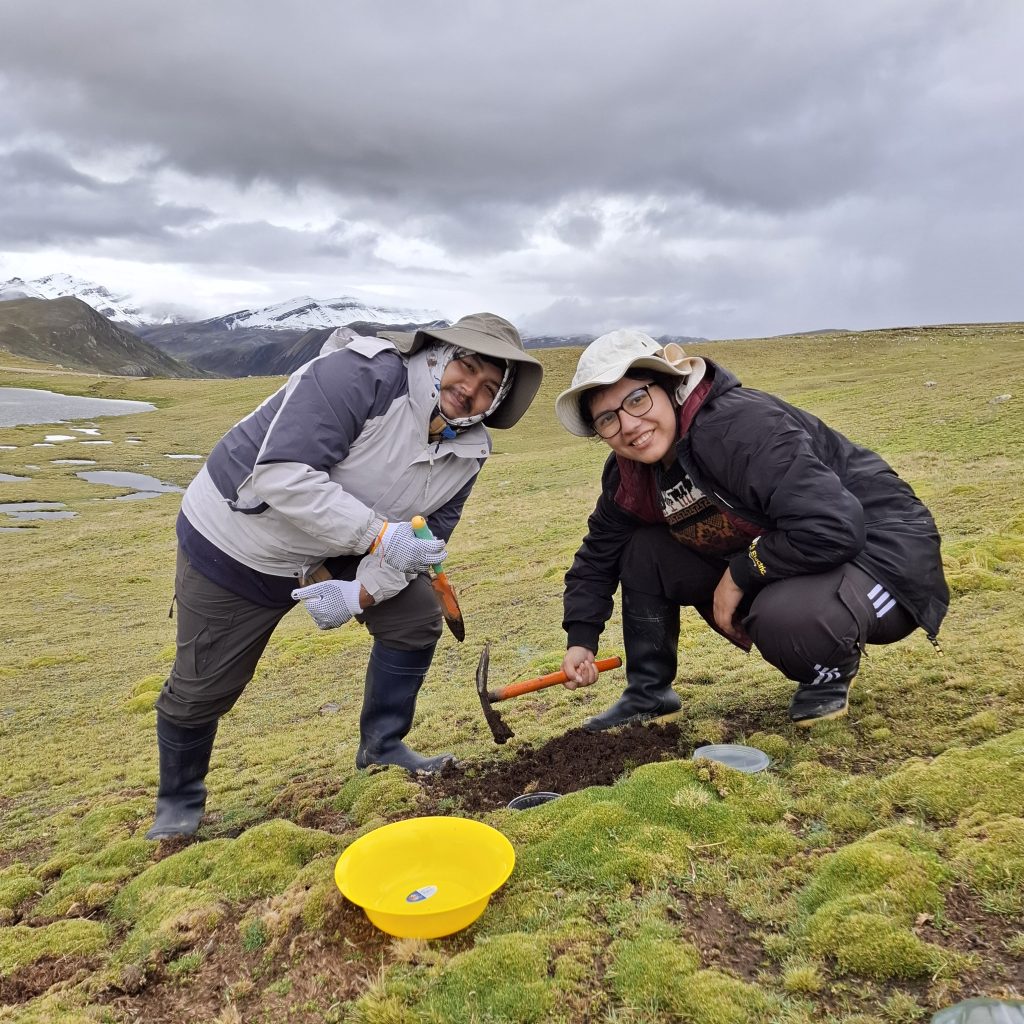
A scientific expedition confirmed the high ecological value of the bofedales, grasslands, and periglacial ecosystems located in the buffer zone of the Nor Yauyos Cochas Landscape Reserve, in the high Andean region of Nevado Tunsho, Yauli Province (Junín).
That expedition took place between late 2025 and early 2026; the research generated key scientific information to support the proposal to create the Nevado Tunsho Community Private Conservation Area (ACP) Nevado Tunsho Communal Private Conservation Area, aimed at protecting more than 3,000 hectares of high-Andean ecosystems. The expedition was organized by the Association for Environmental Conservation and Research (CIAM), in collaboration with the Ecología Molinera research group and with the support of the Suitucancha Peasant Community.
The area under study extends from the mid-mountain grasslands to the periglacial zones bordering the Nevado Tunsho glacier. Along this route, bogs, wetlands, rocky outcrops, and grasslands coexist, forming one of the most diverse and fragile high-mountain landscapes in the central Andes of Peru. The results obtained through assessments of multiple groups of flora and fauna now provide a clear and well-documented picture of the area’s ecological value.
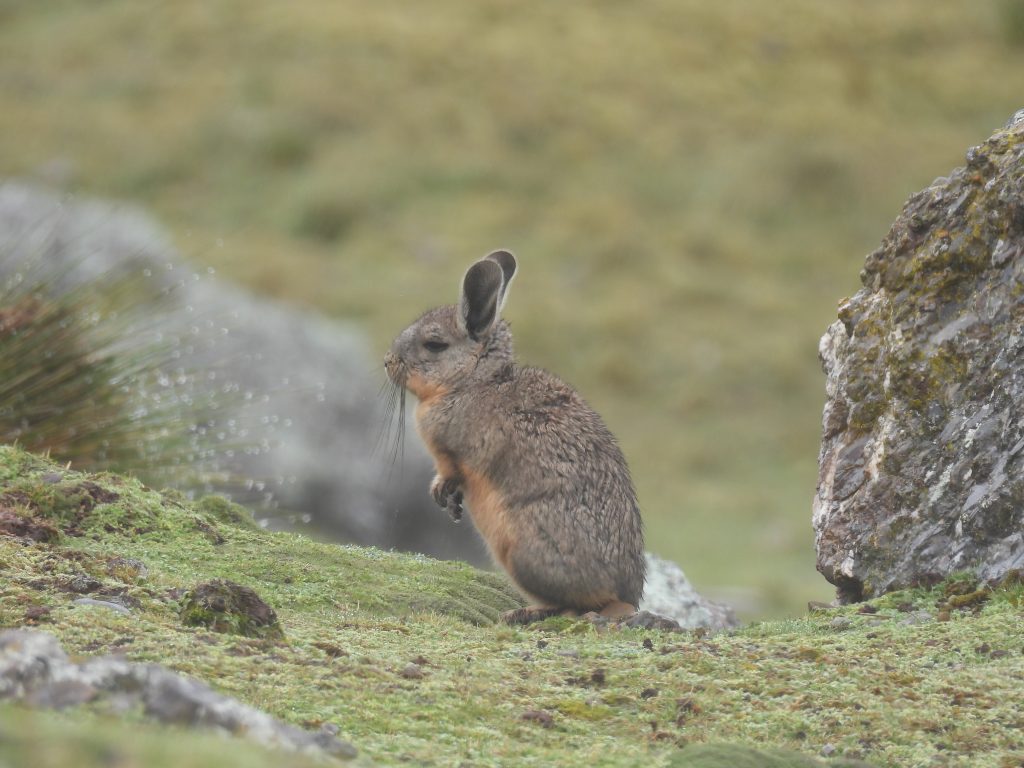
Vizcacha (Lagidium viscacia) found during the study – © CIAM
The proposed Nevado Tunsho area is part of a strategic ecological corridor that connects high-mountain ecosystems with the Nor Yauyos Cochas Landscape Reserve, strengthening the protection of the upper watershed and the water sources that supply local communities. In this territory, ecosystems such as bofedales and grasslands play a fundamental role in water regulation: the former act as natural sponges that store and gradually release water, while the latter connect the landscape, serve as refuges for wildlife, and filter water toward the valleys. Field studies show that these ecosystems remain in good condition, ensuring their long-term functionality.
Furthermore, the recorded biodiversity confirms the area’s high ecological importance. During the assessments, iconic Andean species such as the taruca, vicuña, vizcacha, and Andean fox were documented, demonstrating the existence of functional food webs. Furthermore, amphibians that are highly sensitive to environmental changes were recorded, along with high-altitude native fish such as chalhuas and a significant diversity of aquatic macroinvertebrates, which are indicators of good water quality.
Added to this is a remarkable diversity of insects and other arthropods, with more than 80 species recorded, especially in the bofedales, which stand out as true reservoirs of life. Taken together, these findings establish Nevado Tunsho as a key area for the conservation of high-Andean biodiversity and the region’s water security.
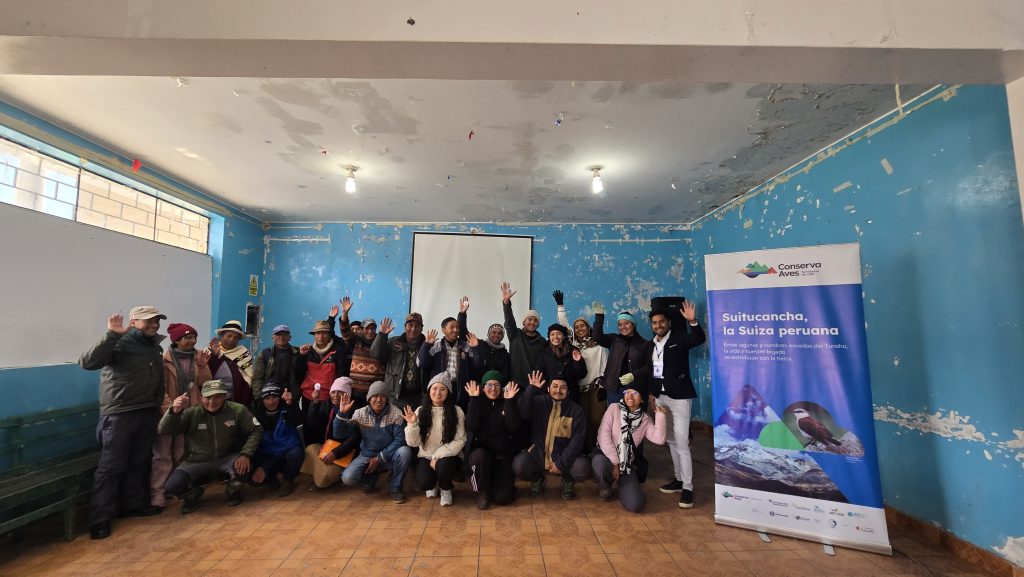
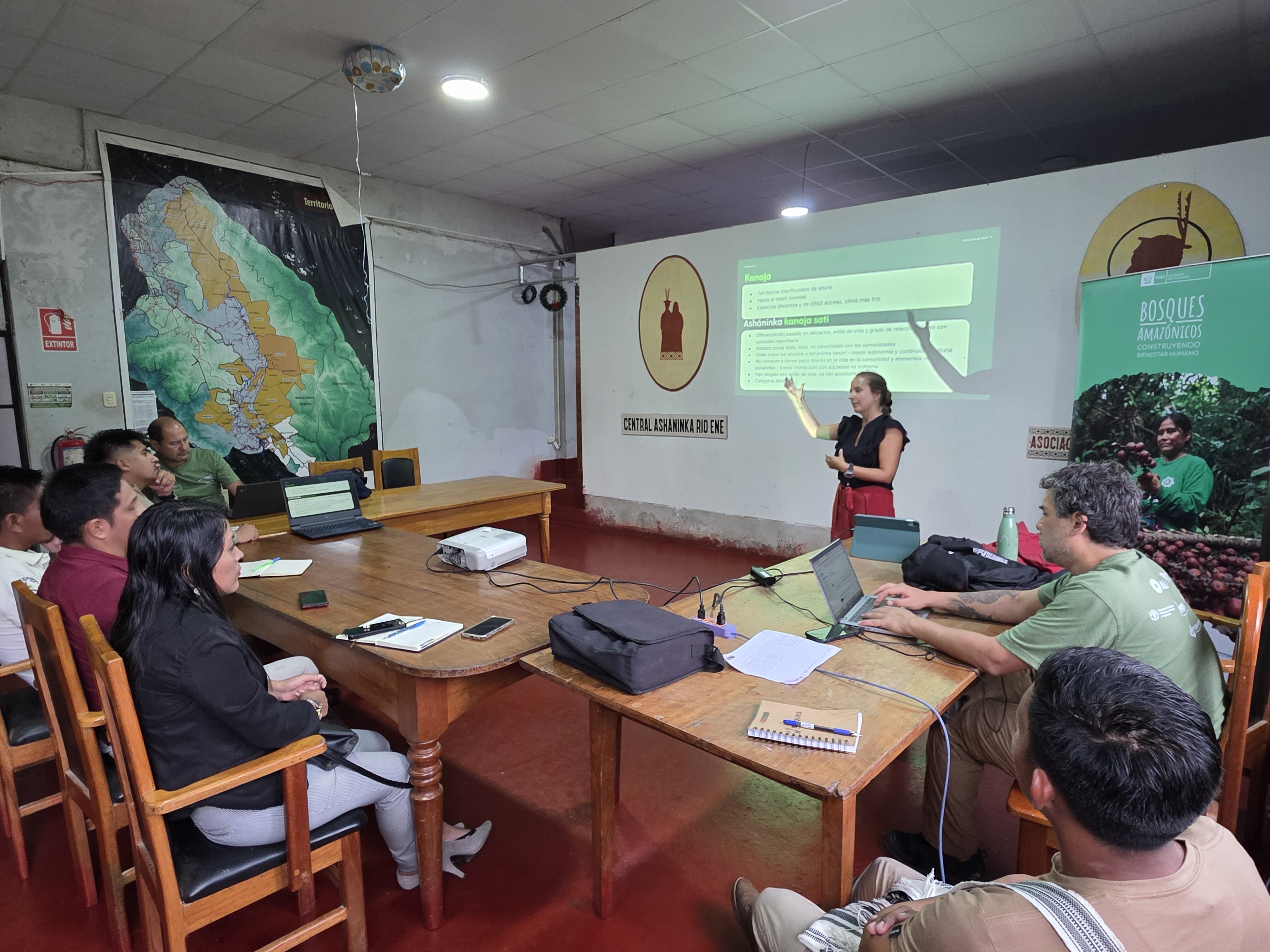
Workshop to Present Preliminary Results from a Biological Expedition – © CIAM
“Communities that decide to conserve their territory deserve for science to speak to them clearly and with evidence. This expedition allowed us to present concrete data in support of the Nevado Tunsho Communal ACP proposal: we know what ecosystems exist, what condition they are in, what species inhabit them, and what risks threaten them. That information is not just a technical requirement for the designation; it is the foundation upon which the Suitucancha community will be able to make informed decisions about its own territory for many years to come.”, Jhusely Navarro, President of the Association for Environmental Conservation and Research (CIAM).
Conserva Aves is an alliance between American Bird Conservancy (ABC), National Audubon Society, BirdLife International, Birds Canada and the Latin American and Caribbean Environmental Funds Network (RedLAC). In Peru it is implemented by Profonanpe in conjunction with Andean Ecosystems Association (ECOAN). It also has the financial backing of the Government of Canada, through Global Affairs Canada (GAC).