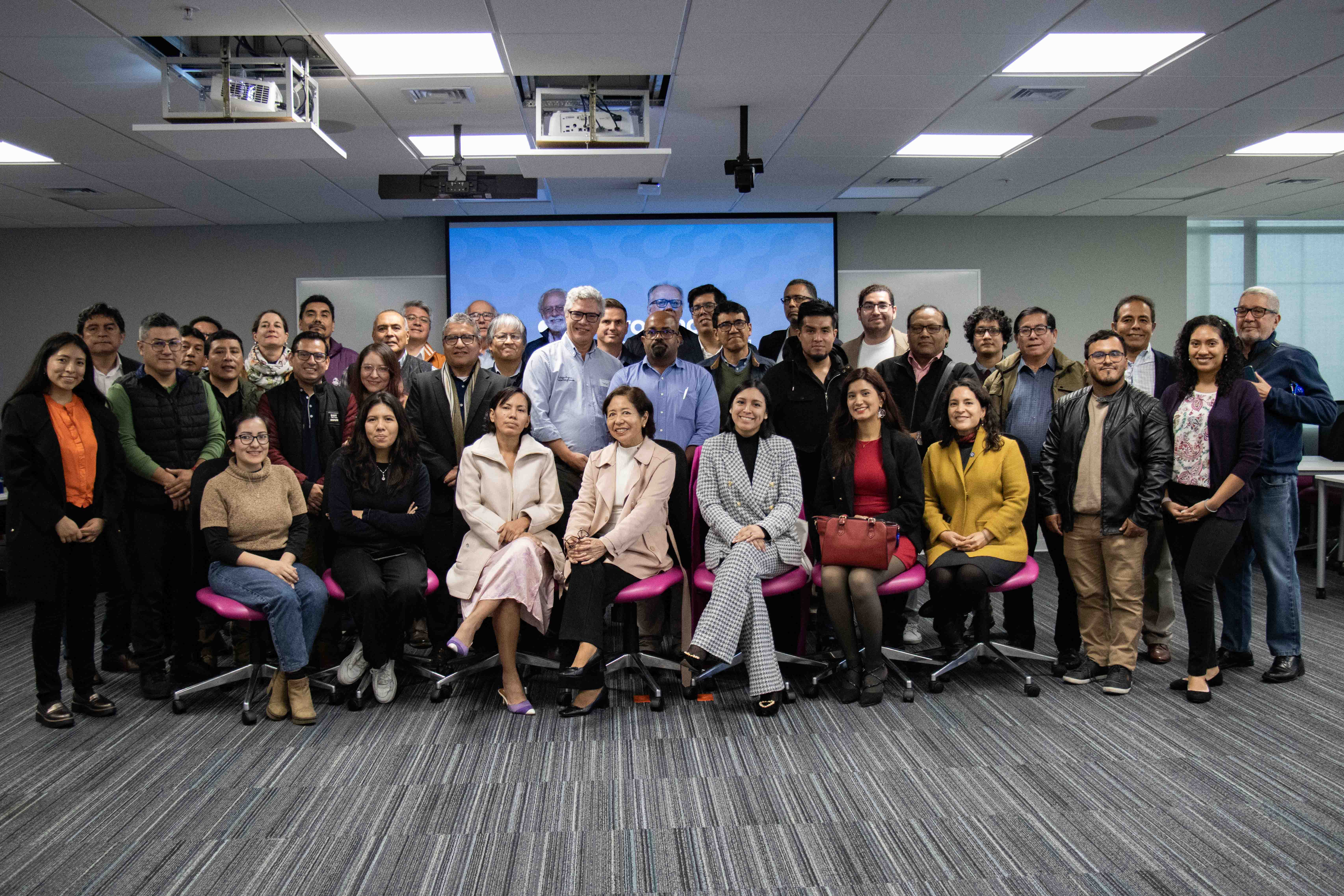
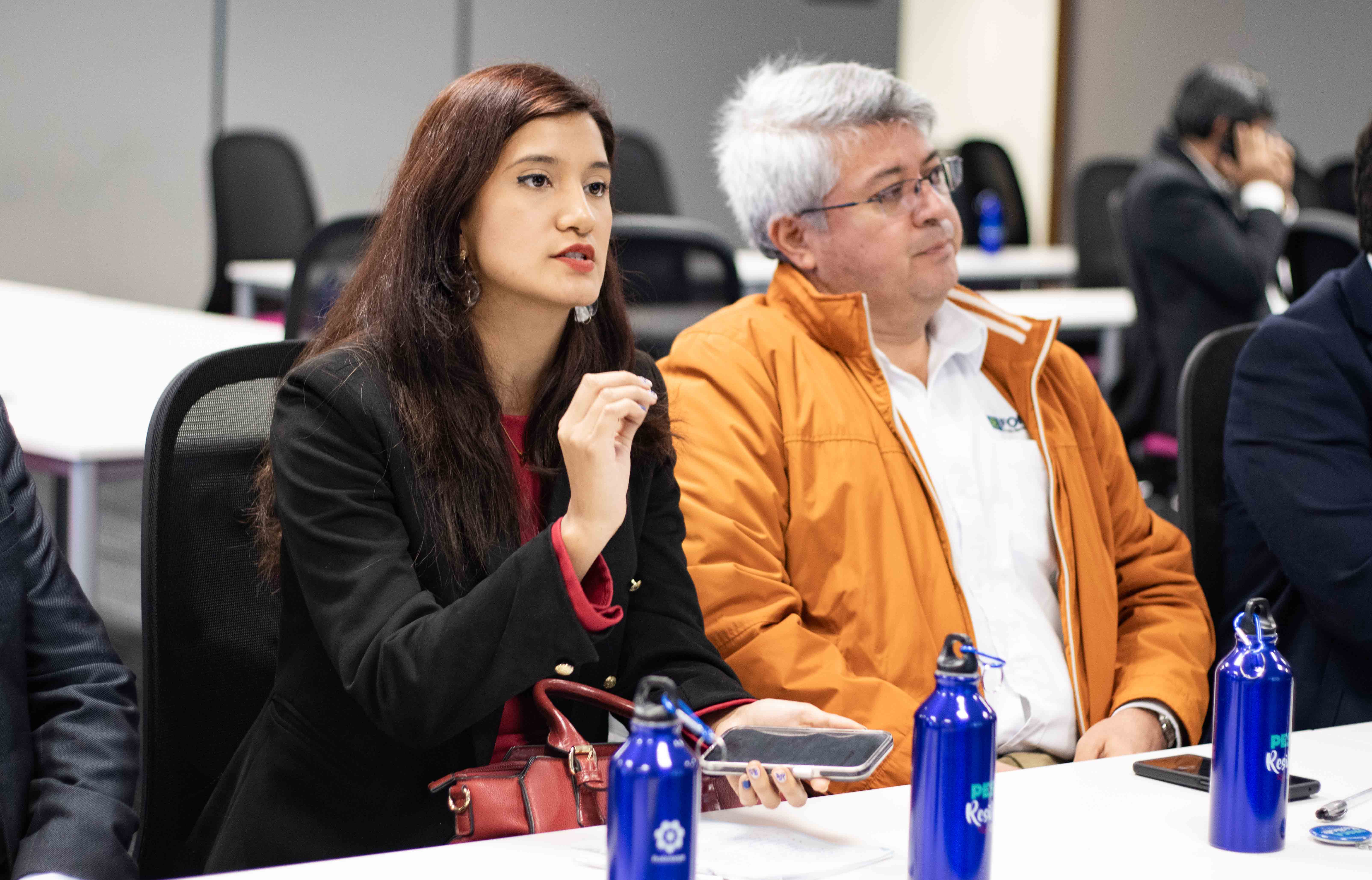
On Thursday, May 23, the first edition of Profonanpe's Thematic Roundtables of the year was held, a meeting that, on this occasion, brought together specialists from the public and private sectors and associations involved in the implementation of marine-coastal initiatives.
During the meeting, the achievements of the Marine-Coastal Adaptation project implemented in Huacho and Mancora, financed by the Adaptation Fund, were presented. Likewise, it was announced that the initiative is in a learning collection stage, thanks to the financing of the Learning Grant granted by the Adaptation Fund, with the purpose of rescuing the good practices of the project.
“At Profonanpe, we identified the opportunity to collect good practices from the Coastal Marine Adaptation project, carrying out the exercise of compiling them with the Learning Grant, which gives us the opportunity to collect important information and testimonies from the communities. This knowledge can serve for the continuous learning of the associations themselves and bring these results closer to the decision makers, said Wilfredo Chacón, consultant in charge of managing the Learning Grant.
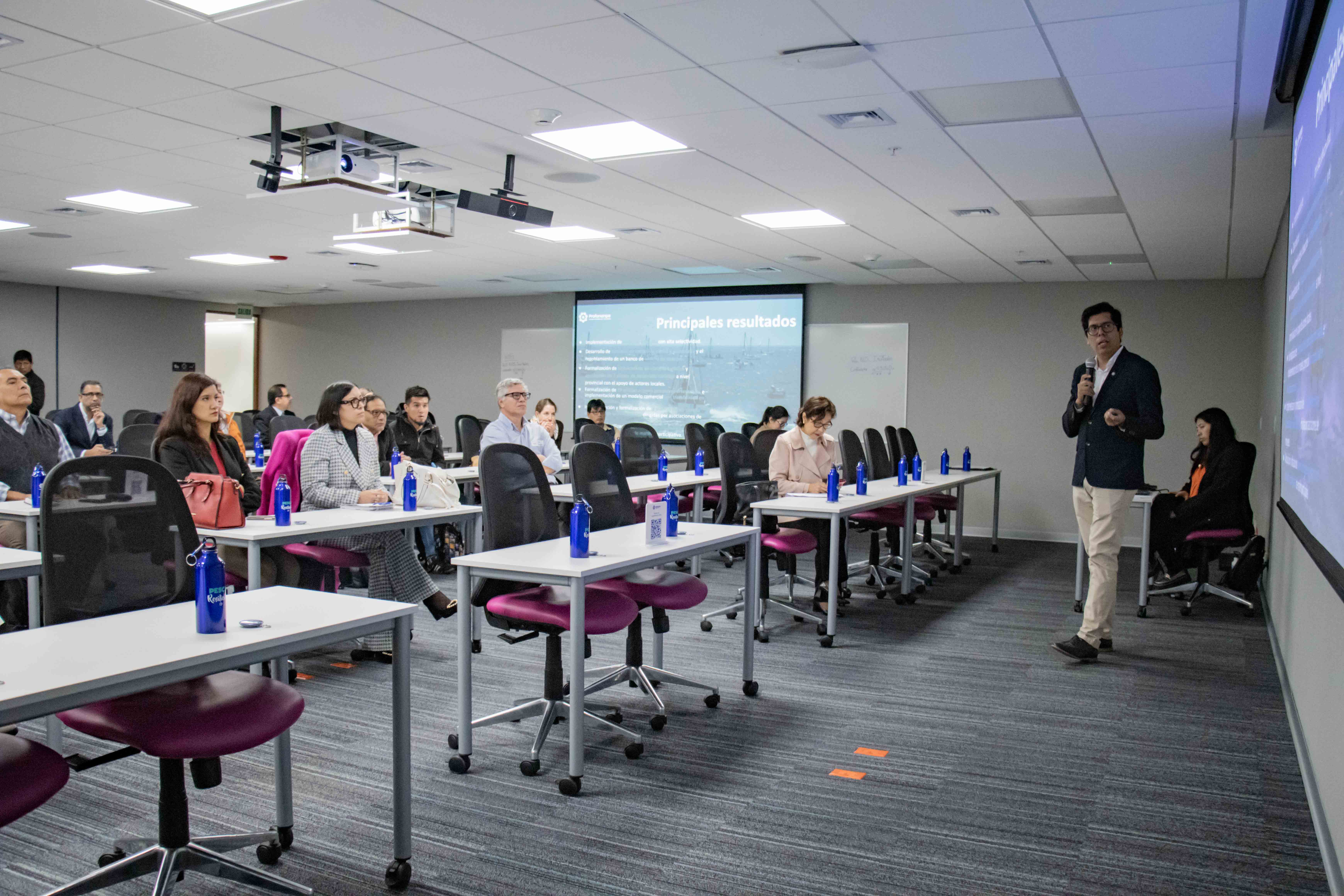
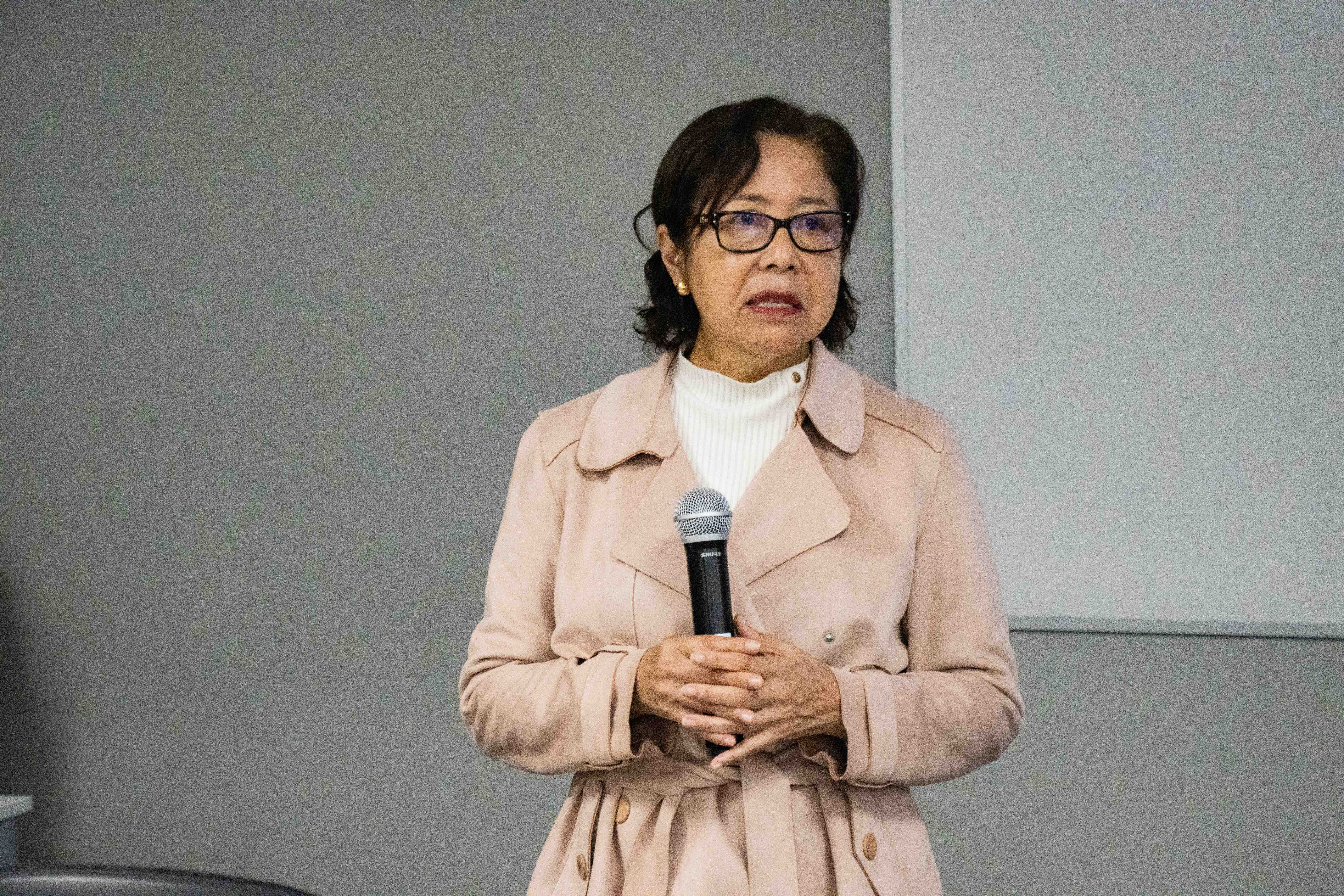
The meeting also provided an opportunity to learn from initiatives implemented by UNDP, GIZ, the Ministry of Production, Imarpe, Fondepes and others. Important lessons were learned from them related to knowledge management and governance. In this regard, Juana Kuramoto, Head of Profonanpe's Research and Development Office, noted:
“An important point for these good practices to be replicable in other areas has to do with the management of marine-coastal zones, together with the knowledge of fishermen and institutions that monitor environmental conditions. In addition, it is important to consider how this information is exchanged and how it can help address climate change.”
Experiences and Reflections
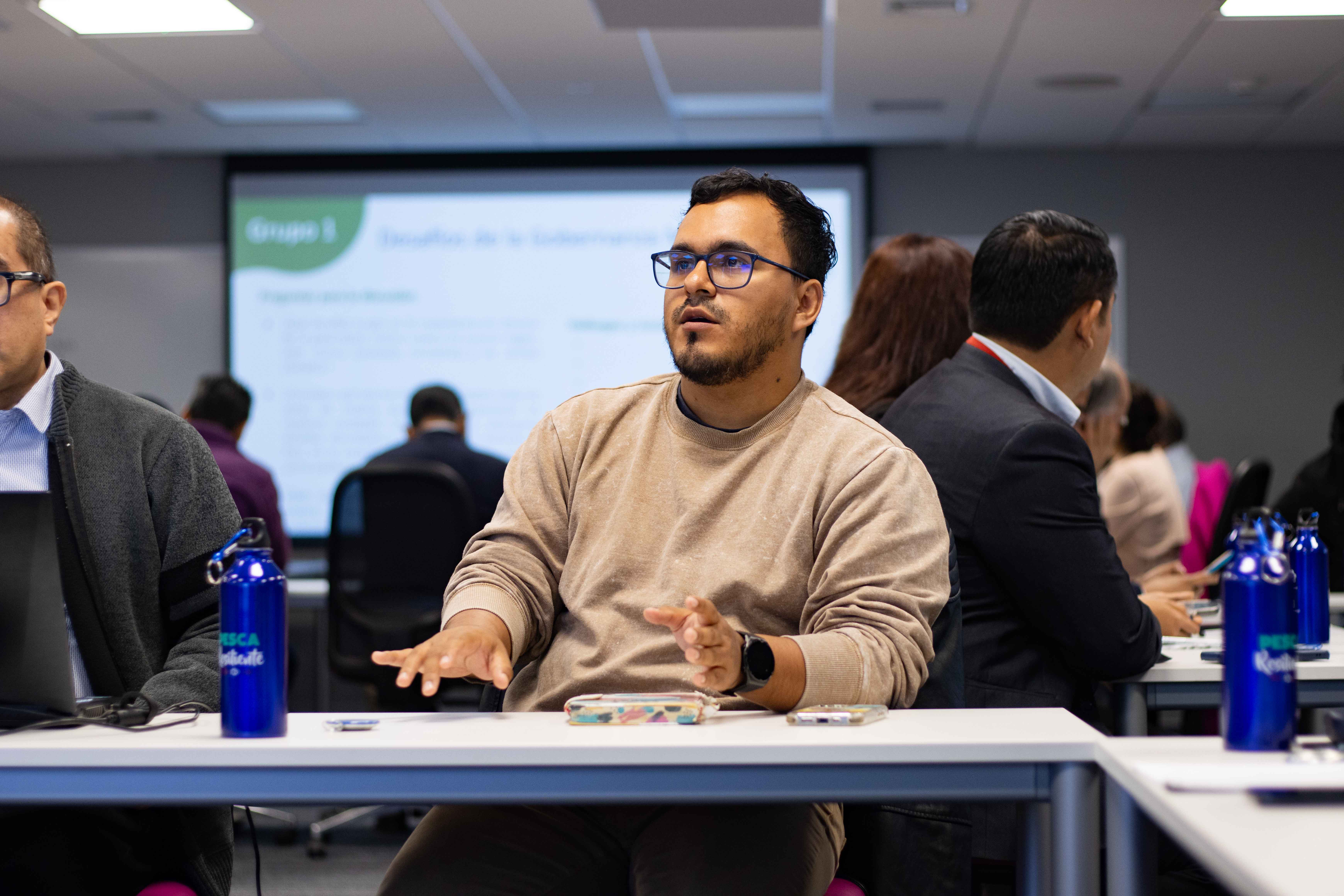
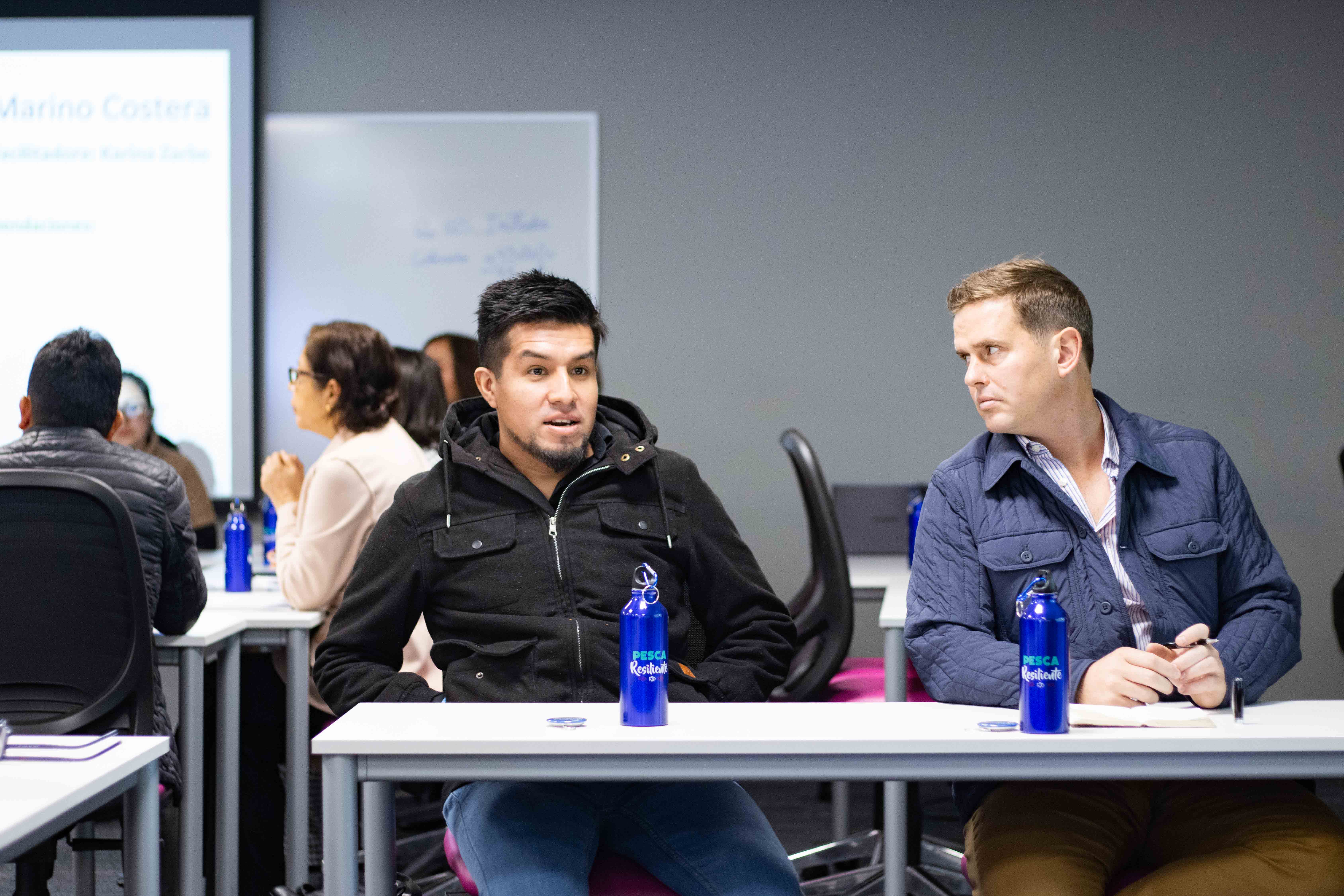
In the debate, the roundtables reached several conclusions that highlight the importance of community participation in the design of fishing projects to improve decision-making and ensure sustainability. It is essential that these projects return information to the communities in a comprehensible manner and consider their needs in decision-making. An interdisciplinary approach, the strengthening of social organizations, continuous monitoring and the scalability of knowledge from local to national level are required. Finally, governance is a crucial point for the proper management of coastal marine areas, since there is an overlapping of sectoral competencies and good articulation and coordination among all actors is necessary.



About Profonanpe's Thematic Roundtables
These are spaces for dialogue that seek to inspire the planning of collective actions that promote sustainability and efficiency in the management of environmental projects, as well as to have an impact on the national environmental agenda. These spaces bring together specialists from different sectors: public, private, international cooperation and civil society.
This is the fourth consecutive year that the Thematic Roundtables have been held and will have 4 sessions. The next meeting will take place in July and will address the topic of “Resilience of Andean Food Systems”.