Wetlands for Life: Towards Zoning and Territorial Planning of the Datem del Marañón Province
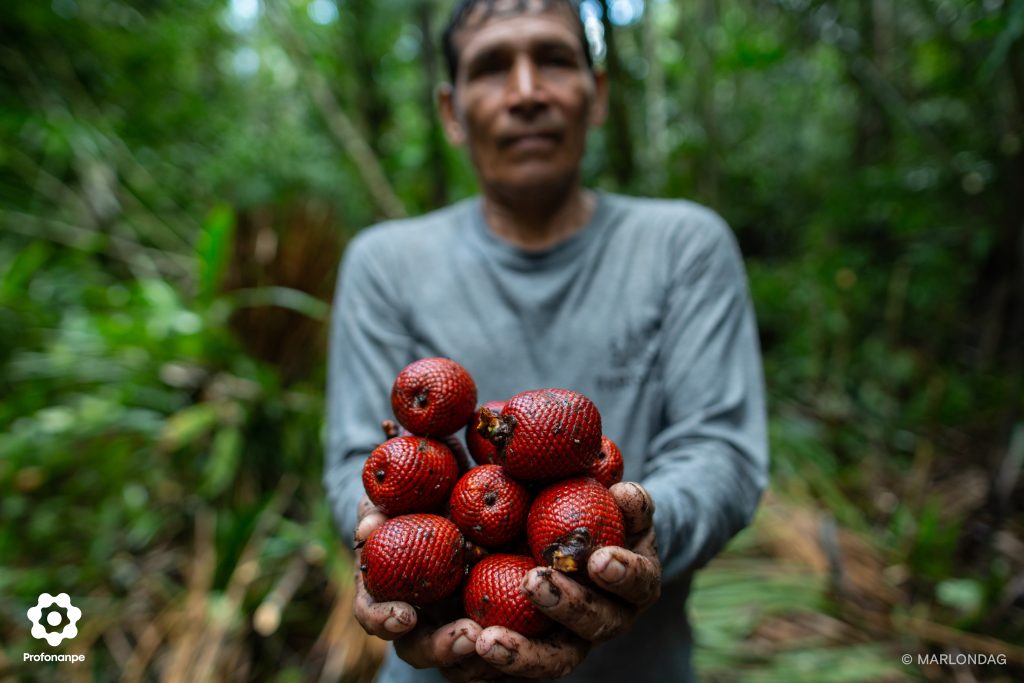
After several months of articulated and sustained work in the Datem del Marañón Province, new perspectives are beginning to emerge that inspire confidence and motivate communities and organizations committed to the sustainability of life to continue on the conservation path they began to follow some time ago. Y [...]
Learn about the conservation indicator species of Yaguas National Park
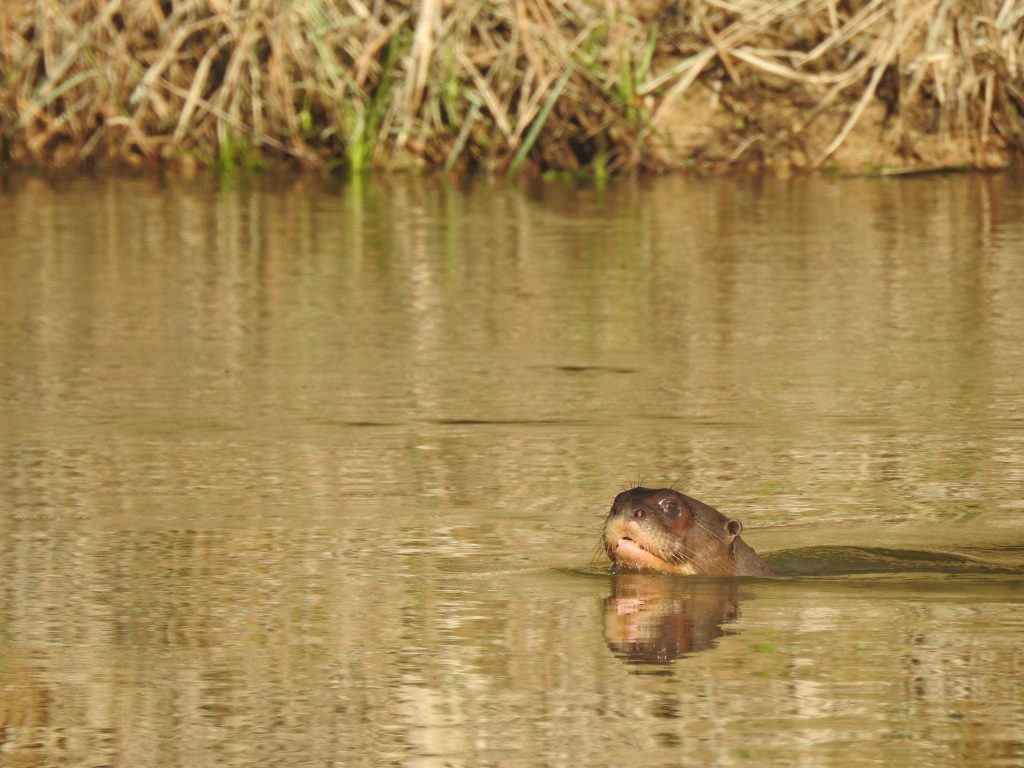
Photo: Giant Otter Photo credits: YNP Headquarters An indicator species is an organism whose presence, absence or abundance reflects the state of an ecosystem. Currently, Yaguas National Park (YNP), located in Loreto, is in a good state of conservation, reporting 100% of its territory conserved and free of human activities. This [...]
Profonanpe launches call for the development of due diligence and self-assessment mechanisms and procedures

Profonananpe, with the support of the Green Climate Fund, is carrying out institutional strengthening activities that include updating and/or generating management documents to strengthen and facilitate its work as a National Accredited Entity. Within the framework of these activities, a call for proposals was launched to hire a consulting team that will be responsible for [...]
Call for proposals launched for the development of Rehabilitation Plans for sites impacted by hydrocarbons in the Marañón basin

Profonanpe, on behalf of the Board of Directors of the Contingency Fund for Environmental Remediation, has initiated the process of calling for independent and qualified consulting firms, alone or in consortiums, to provide consulting services for the preparation of Rehabilitation Plans for 12 sites impacted by mining activities in the area.
Sustainable businesses in protected natural areas were awarded prizes to boost and revitalize activities in 7 regions

Autor: Comunicaciones Sernanp Nine sustainable projects promoted by native communities and enterprising women in 11 natural protected areas have access today to a total of more than 600 thousand soles as winners of the “Entrepreneurs for Nature” contest of the National Service of Natural Areas Protected by the State (Sernanp).
Adaptation story: Reducing the vulnerability of families engaged in artisanal fishing
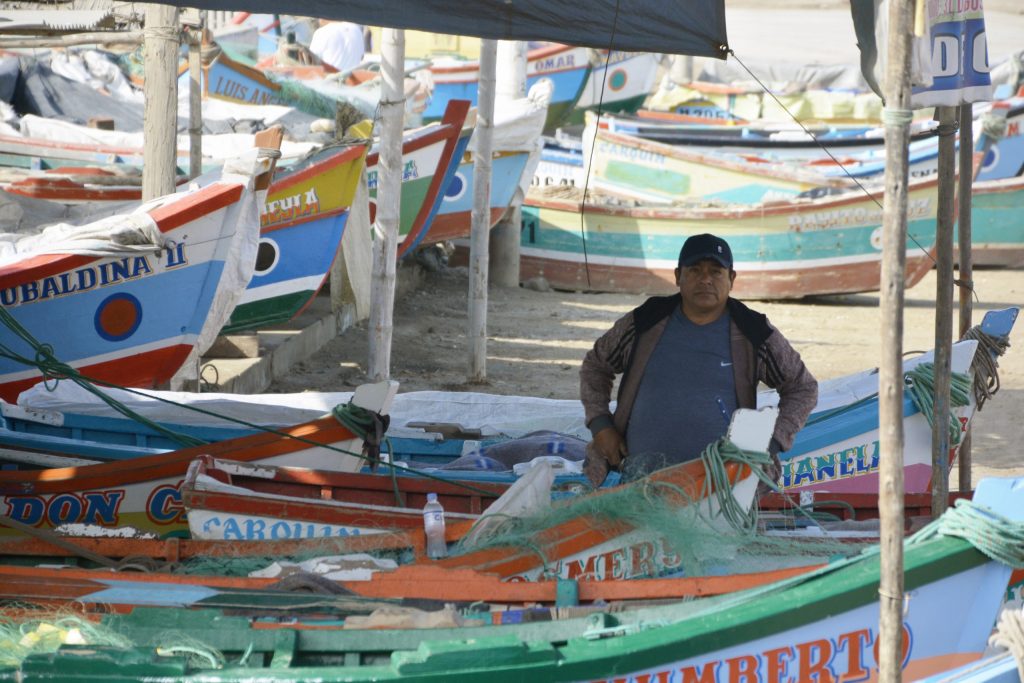
Author: Adaptation Fund Peru has one of the most productive fishing grounds in the world, as its waters are rich in nutrients. A large part of the sector is made up of local artisanal fishermen, most of whom live in poverty despite providing the main source of food for many of the world's [...]
Danitse, the lead singer of “Sponsor a taricaya turtle, conserve Pacaya”

More than a month after the beginning of the campaign for the conservation of taricayas in the Pacaya Samiria National Reserve, many people have joined as sponsors for their release. The initiative, which began with the objective of releasing 43,000 taricayas and covering logistical expenses [...]
Assessment of the impacts of climate change on the Peruvian coastal marine ecosystem
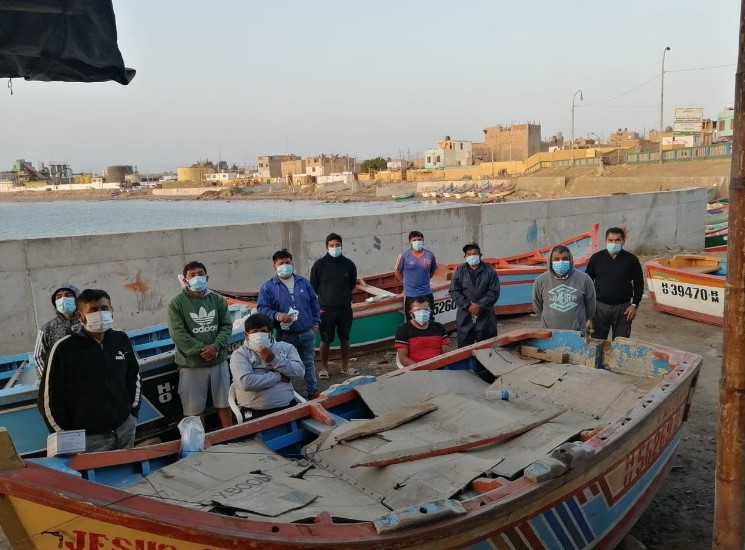
Within the framework of the project “Adaptation to the impacts of climate change on the Peruvian coastal marine ecosystem and its fisheries”, last Tuesday 9th, the talk “Study of socio-ecological vulnerability to climate change of artisanal fishing communities in the province of Talara” was held, which was attended by Dr. Borja [...]
240 photovoltaic panels are installed in the heart of the Peruvian Amazon
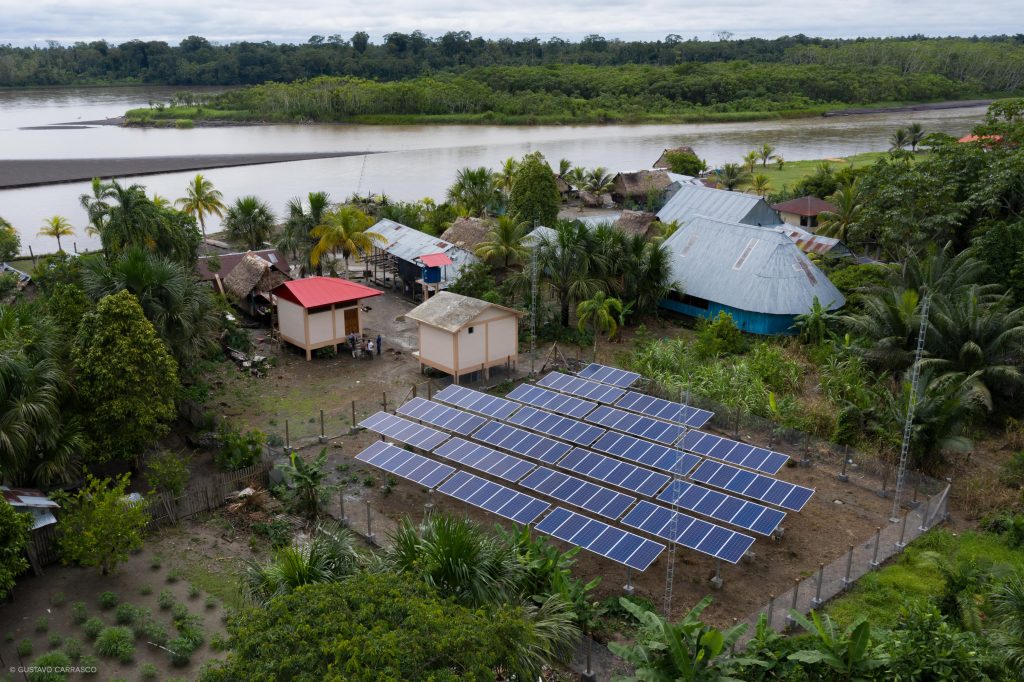
In the communities of San Fernando and Musa Karusha, located in the Datem del Marañón Province, we were welcomed by the leaders of the artisanal fishermen's associations of the Kandozi ethnic group, who have been working in recent years on bio-business ideas that bring to light - once again - the vast resources of the [...]
Sponsor a taricaya turtle and help conserve the Pacaya Samiria National Reserve

Author: Minam More than 30 years ago, the taricaya, an emblematic species of the Amazon, was on the verge of extinction, but thanks to the commitment and articulated work between the State and the native communities, they now live in adequate conservation conditions and are part of the attractions of experiential tourism in the Reserve.
Profonanpe will participate in four new projects financed by the GEF

After a selection process carried out during October 2020, Profonanpe has been chosen as the entity that will provide administrative and fiduciary support to the Ministry of Environment (MINAM), which will execute four projects financed by the Global Environment Facility (GEF) after their design has been approved. These projects are framed in the programs of [...]
Visit the Yanachaga-Chemillén National Park
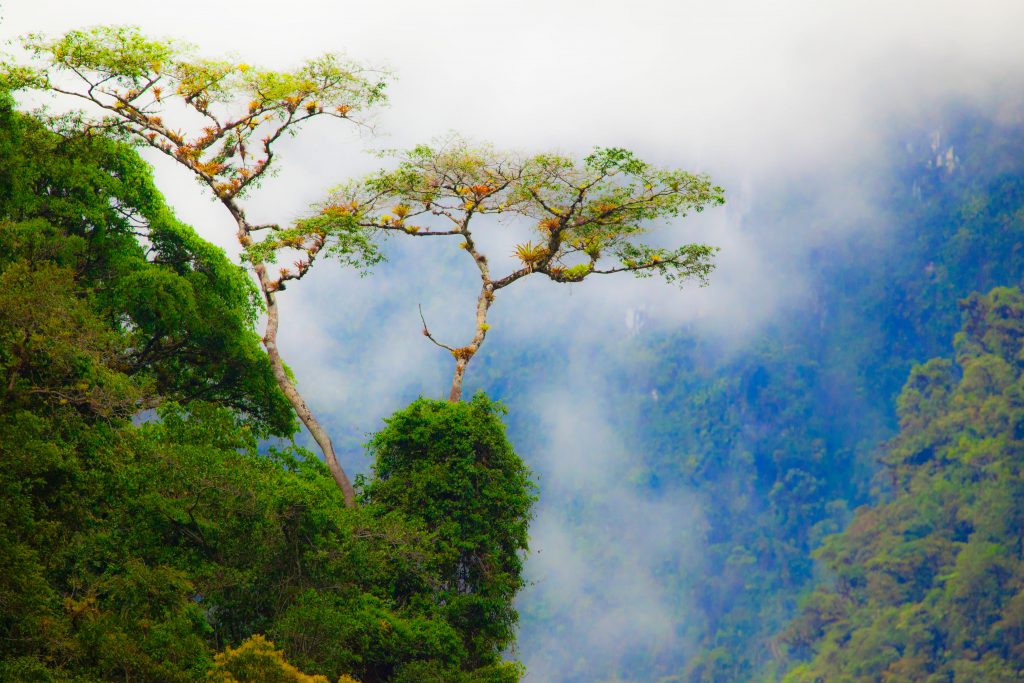
Photo: Nicolas Quendez, Sernanp After several months of paralyzing tourism activities in Natural Protected Areas (NPAs) - such as Machu Picchu, Paracas, Pacaya Samiria - as a consequence of the Covid-19 pandemic, the gradual reopening of some of them has begun, and it is expected to continue in this manner in the coming months.
On the nature and track record of the master Víctor Rojas

Winner of the Illustrious Park Ranger category of the Carlos Ponce del Prado 2020 Conservation Award During these 28 years, Victor has been a precursor and active promoter of ideas for the conservation of flora and fauna, as well as the proposal of new measures for the sustainable use of the natural resources of the [...]
Passages of an everlasting education: the path of Solano Pérez

Two years later, he was promoted to official park ranger. Soon after, he won the admiration and affection of his peers, who identified in him a born leader, one of those who act with sensitivity and resilience, always embracing his community and nature. Not only does his commitment to sustainable development stand out [...]
I want you green, Peru

One year after the establishment of the “Natural Protected Areas (NPA) Day” in Peru, we must look back and understand that, although we already have a date on our calendar to remember them, we still have a long way to go to recognize their real impact on our daily lives, particularly in the future [...]
Sernanp and Profonanpe launch the Entrepreneurs for Nature contest to promote sustainable ventures in protected areas

One of the main strategies for the conservation of natural protected areas (NPAs) promoted by the Ministry of the Environment, through the National Service of Natural Areas Protected by the State (Sernanp), is the development of sustainable economic activities based on the responsible management and use of natural resources that contribute to the protection of the environment.
Agriculture with love: Apachicuy reached several regions of Peru

At the end of April, residents of Tumayhuaracca and surrounding districts in the Apurímac region prepared their packages to be delivered to their families. Days later, the remittances were received at the residents' associations in San Juan de Lurigancho and Los Olivos. As a sign of reciprocity, they […]
Peruvian women share traditional knowledge for biodiversity conservation within the framework of the Nagoya Protocol
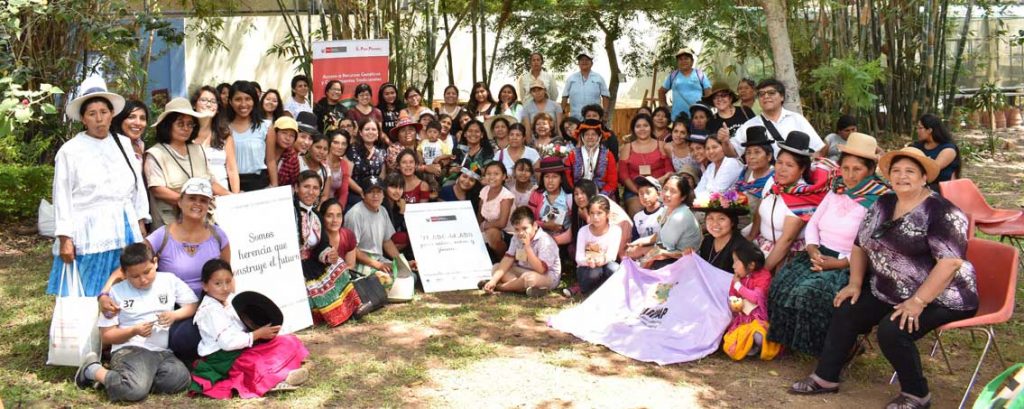
During the workshop, spaces were created for the integration of different communities, strengthening identity and fostering dialogue within a framework of respect for diverse worldviews and Indigenous languages. A key focus of the workshop was gender equality, in which girls, young women, and older women participated […]
New equipment to preserve the coastal marine ecosystem of Peru
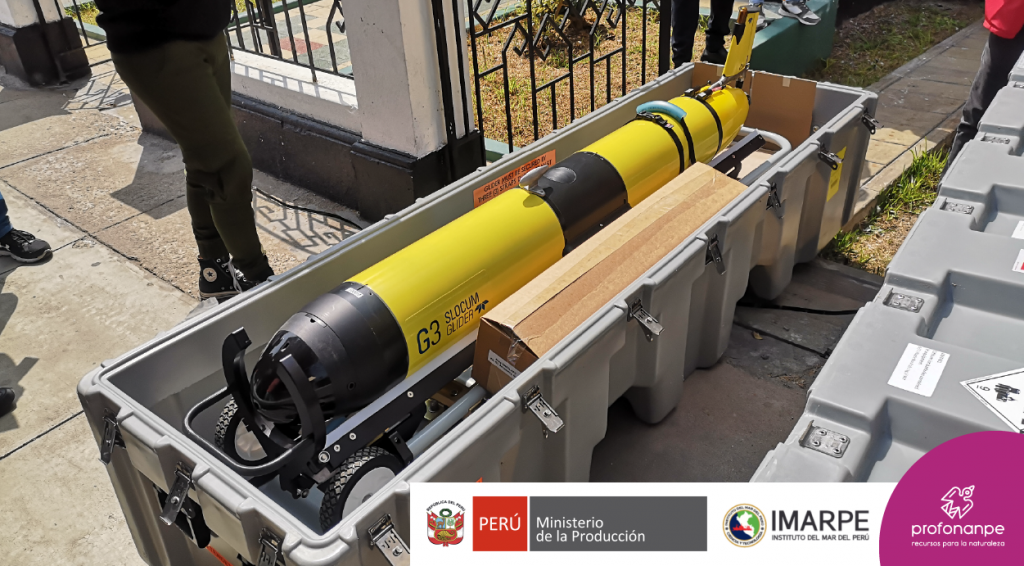
On July 7, three autonomous underwater vehicles, also known as gliders, arrived at the IMARPE offices. These devices will allow for automatic, near real-time monitoring in the project areas. Their main objective is to obtain oceanographic data on parameters such as temperature, salinity, oxygen, chlorophyll, and other marine parameters, down to 1,000 meters deep.