Following the establishment in March 2026 of the Regional Conservation Area (ACR) Huamantanga and Chorro Blanco Mountain Forests in March 2026, it has established itself as a key initiative for ecosystem connectivity in the Northern Andes Corridor, promoting participatory and sustainable land management in which the local population plays a leading role in conserving its environment.
Significant progress has been made thanks to the coordinated efforts of the Cajamarca Regional Government, Naturaleza y Cultura Internacional (NCI), the local population, and strategic partners, such as the National Service of State-Protected Natural Areas (Sernanp) and the Ministry of the Environment (MINAM).
During the last quarter of 2025, with the support of the Bird Conservation Initiative Key milestones were achieved in both technical management and the strengthening of governance and community participation. Of particular note is the formation of the ACR Steering Committee, composed of representatives from local governments, civil society organizations, and key stakeholders from the districts of Colasay, Chontalí, San José del Alto, Huabal, and Jaén. This committee reflects the local commitment to conservation and will help guide the management of the area.
Furthermore, based on the preliminary assessment of women’s needs and aspirations regarding the management of the ACR, there is evidence of high participation by young and adult women, who represent a strategic foundation for strengthening leadership, community organization, and the sustainability of conservation initiatives.
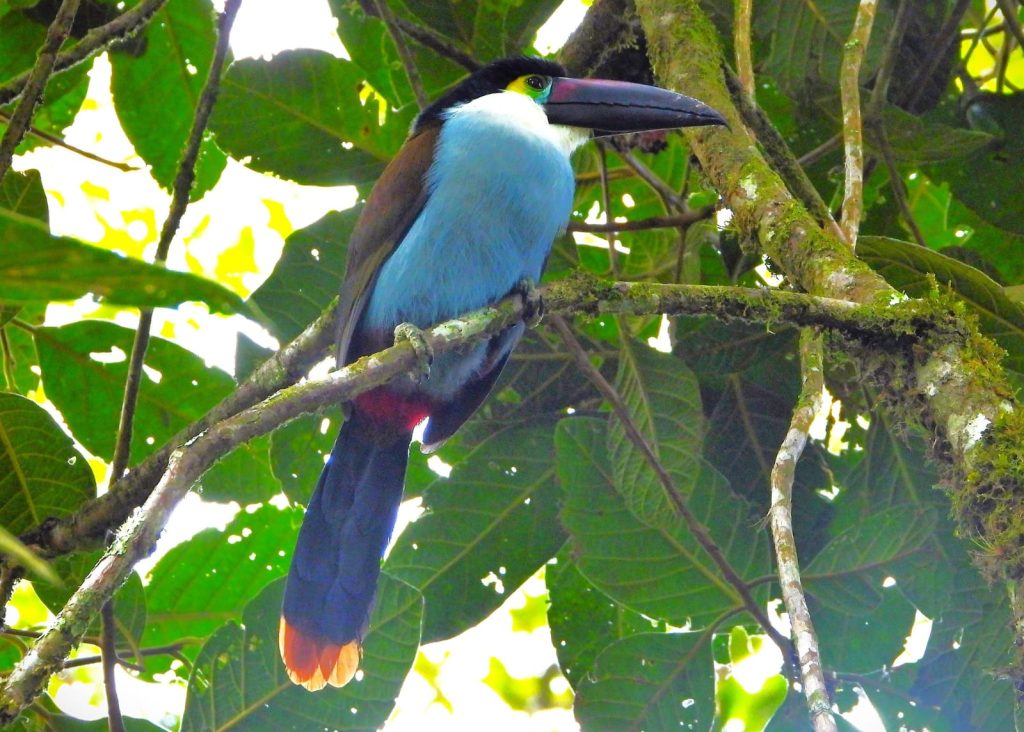
Andigena hypoglauca, “Andean toucan” – Photo: NCI
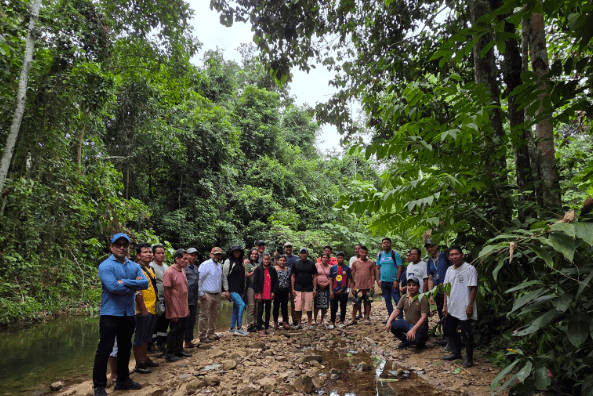
As a result, workshops on leadership, gender equity, and conservation were held, benefiting villages such as El Mirador (Colasay) and Lanchal (Chontalí). Along these same lines, the promotion of birdwatching tourism is emerging as a sustainable alternative that combines conservation with local economic development. Residents of San Luis de Nuevo Retiro (Huabal) and Puerta al Edén (San José del Alto) participated in training sessions on ecotourism, birdwatching, and bird monitoring. During the field trips, 41 and 61 species were recorded, respectively, including priority species such as the black-billed Andean toucan, as well as migratory birds that underscore the area’s importance for conservation and research.
This establishment process is the result of a process initiated in 2021, led by the Regional Government of Cajamarca, with the participation of rural populations, municipalities, academia and SERNANP, in addition to the technical support of Nature and Culture International (NCI) and the financing of Andes Amazon Fund (AAF) and the Bird Conservation Initiative.
Conserva Aves is an alliance between American Bird Conservancy (ABC), National Audubon Society, BirdLife International, Birds Canada and the Latin American and Caribbean Environmental Funds Network (RedLAC). In Peru it is implemented by Profonanpe in conjunction with Andean Ecosystems Association (ECOAN). It also has the financial backing of the Government of Canada, through Global Affairs Canada (GAC).