Last Thursday, May 30, the seminar «Perspectives and challenges of the aguaje industry in Loreto» was held, organized by the “Amazonian Forests - ASL2” project of the Ministry of Environment (MINAM). The meeting brought together up to 60 representatives of local organizations involved in the aguaje industry in the region, who highlighted the challenges and opportunities for the improvement of the sector.
The event made it possible to identify the most important challenges in production issues, focusing on the need to simplify the Management Declarations - DEMA and harvesting permit documents. It also highlighted the need to improve the technologies used in the value chain.
With respect to market opportunities, the gaps and opportunities that exist for companies that choose to be suppliers of natural ingredients in the cosmetics and food industry were presented. In this regard, the need to adapt the requirements and certificates was highlighted, as well as the need to create the right conditions for fair participation.
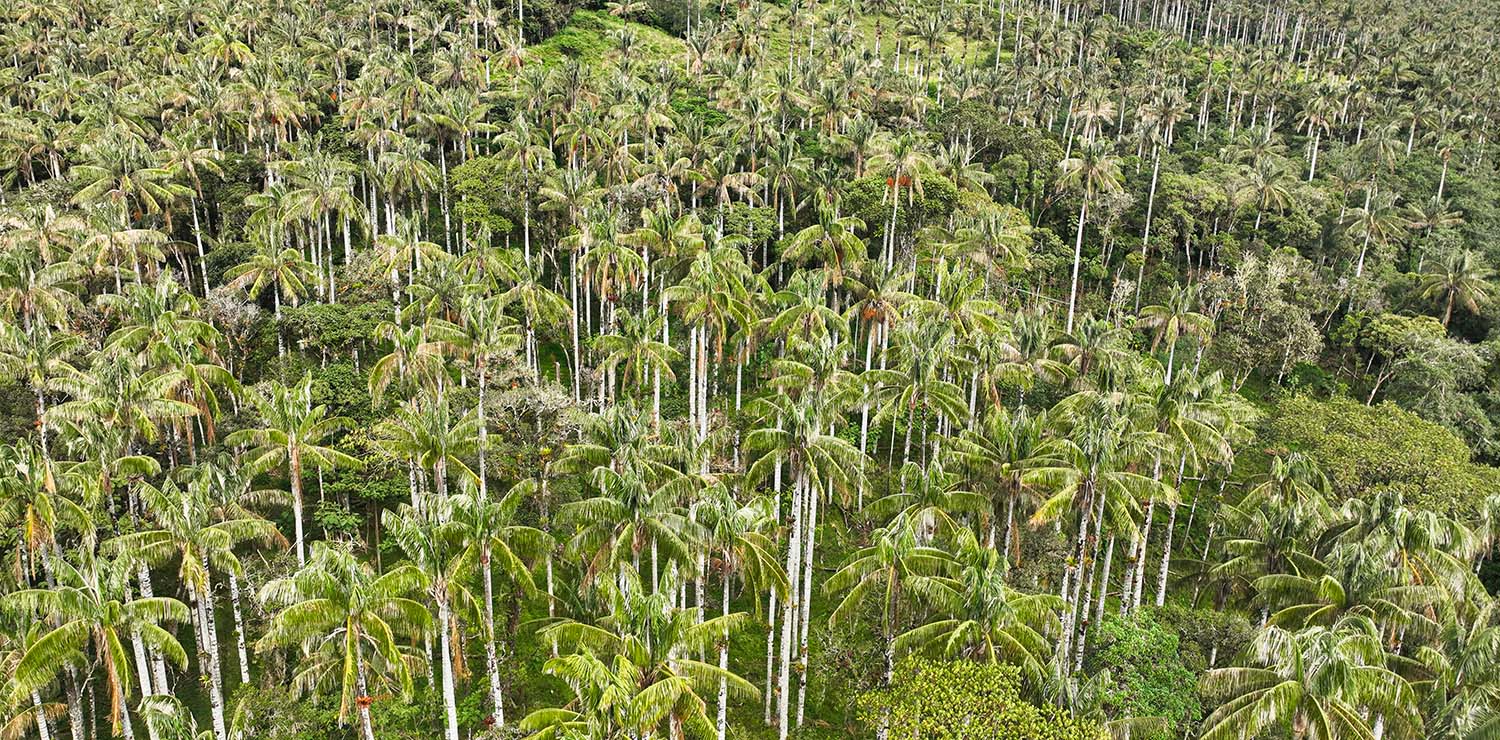
“There are more than 5 million hectares of wetlands in the region and an important species is the aguaje, which has different types of use that can be harnessed to generate a local economy, to then go nationally and later as an export product. This event allows us to look at these options and learn about the challenges in the industrialization of aguaje.” said Juan Carlos Castor, Minister of the Environment, during the inauguration of the event.
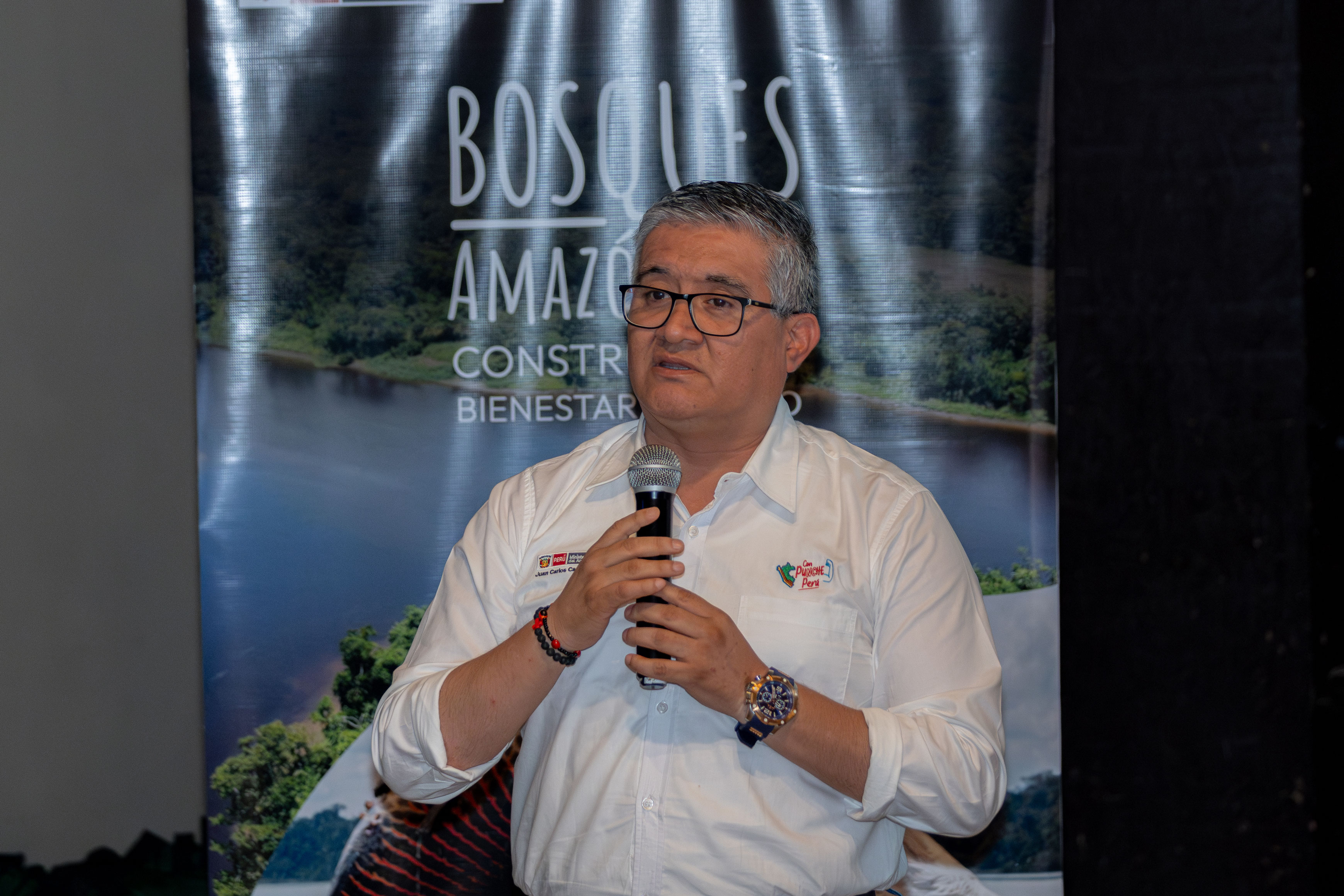
The meeting was attended by representatives of companies such as CANDELA, NATURA, Frutama; NGOs such as WCS, CEDIA, Japanese cooperation (JICA), the Swiss Import Promotion Program (SIPPO) and the State. Likewise, the experience and influence of projects that have an impact on the region were presented: the Aguaje project of the Regional Government of Loreto; the Datem Wetlands project of Profonanpe and the Amazonian Forests - ASL2 initiative of MINAM.
These challenges and opportunities presented through the experiences of the private sector in the aguaje value chain have generated conditions conducive to promoting alliances and guiding future investment plans. In addition, the consolidation of relations with the private sector will make it possible to propose industrial development plans, moving forward with the in situ diagnoses that the “Bosques Amazónicos - ASL2” project has been carrying out since May.
About the Amazon Forests Project - ASL2
o Bosques Amazónicos seeks to build human well-being and resilience in the Amazonian forests of the regions of Ucayali, Junín and Loreto, through the enhancement of biodiversity for food security and bio-business, based on maintaining the forest standing.
This initiative is executed by the Ministry of the Environment and is supported by the implementing agencies FAO, IFAD, UNIDO and Profonanpe as operational partner.