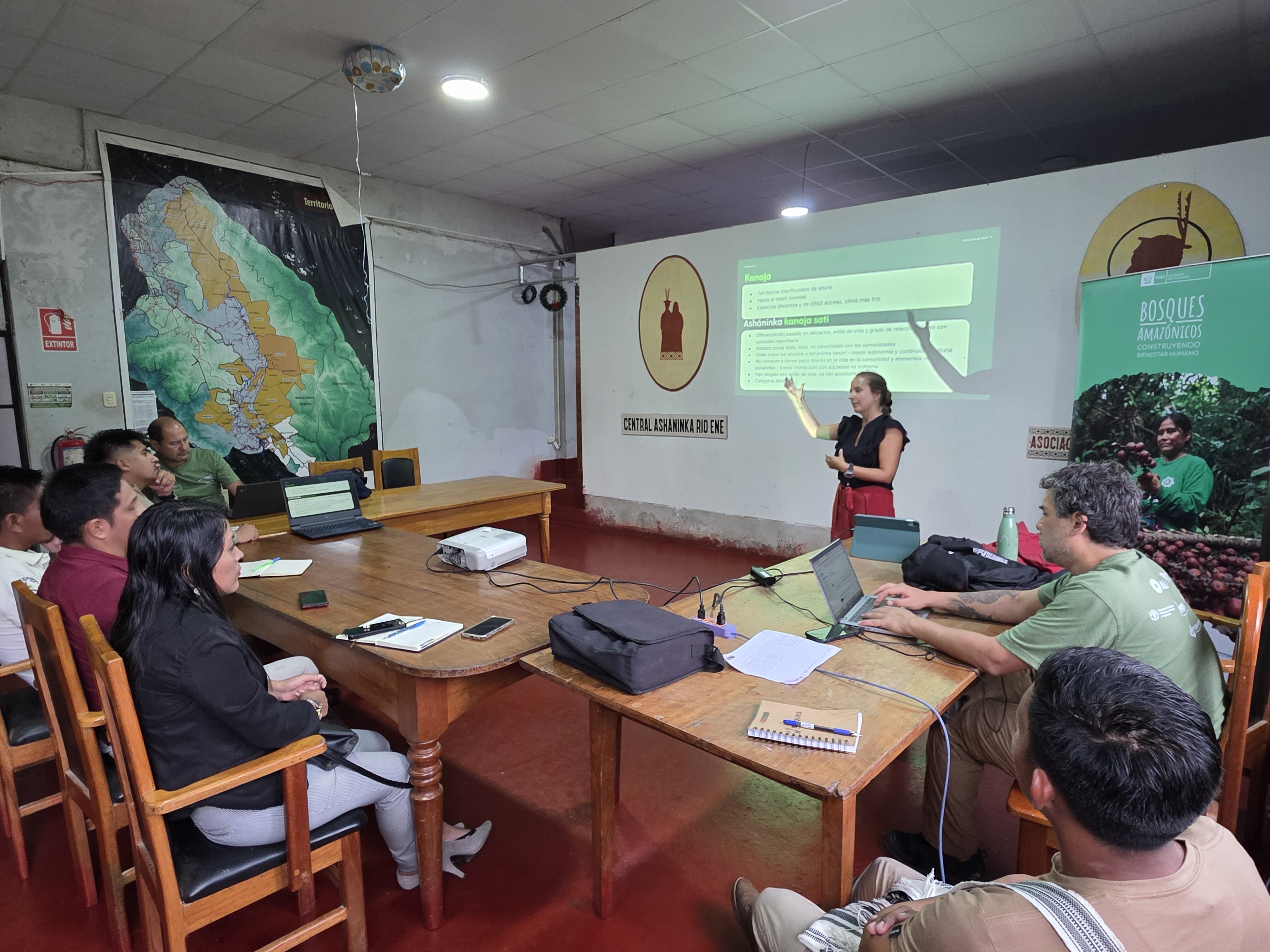
With the aim of presenting the proposed actions and gathering perceptions on the use and marketing of Amazonian fish – from the territory and experience of the associations, private and state actors with a specific role in the development of the artisanal fishing value chain – Profonanpe organized the “Multi-actor working workshop: fishing for opportunities” in the city of San Lorenzo, Datem del Marañón province.
The event brought together various actors involved in the sustainable development opportunities of artisanal fishing in the Loreto region and included the participation of representatives from the Provincial Municipality of Datem del Marañón, UNAP, IIAP, WCS, ORKAMUKADIP, ITP, Cite Productivo Maynas, Cite Acuícola Pesquero Ahuashiyacu, Sanipes, Direpro Loreto, the Katinbaschi and Kachizpani Artisanal Fishermen's Associations, La Patarashca and Despensa Amazónica.
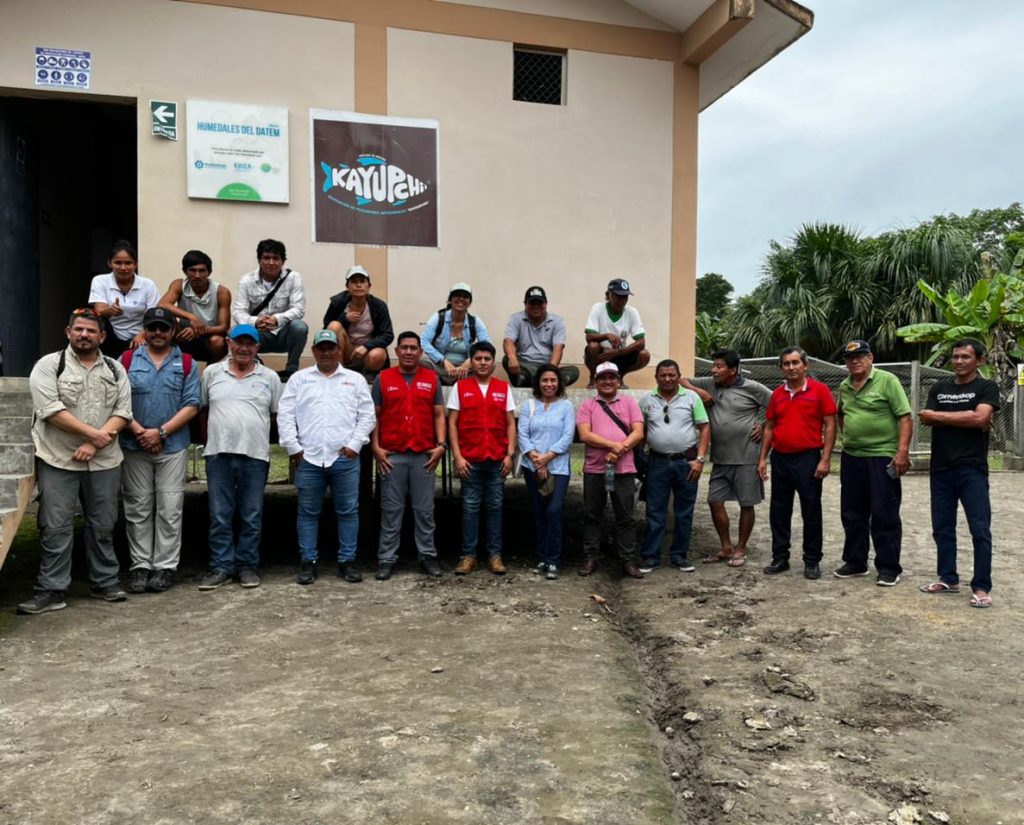
During the meeting, participants discussed the need to create an inter-institutional technical working group to manage and support artisanal fishing activities in the Pastaza corridor of the Amazon. Additionally, on the second day of the workshop, a guided tour was conducted to the communities of San Fernando and Musa Karusha, where the artisanal fishing associations Kachizpani and Katinbaschi have strengthened their management and marketing of fresh fish through the installation of two solar-powered ice production plants.
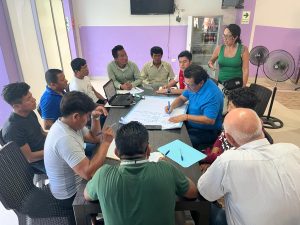
At the close of the workshop, WCS indicated that they will conduct awareness campaigns regarding fishing regulations and closed seasons, while UNAP will intensify its research efforts and seek partnerships with recent biology graduates. Likewise, Direpro Loreto and Sanipes pledged their support for fishing activities, and Cite Maynas confirmed its support for technology transfer. Finally, Profonanpe concluded that the formalization processes for the monitoring and control committees of the fisheries management programs for Lake Rimachi and Huytoyacu would be completed.
About the Datem Wetlands Project:
The Datem Wetlands Project seeks to improve the resilience capacities of indigenous communities living in wetland ecosystems rich in carbon reserves in the Datem del Marañón province, Loreto; as well as improve their livelihoods and reduce greenhouse gas emissions caused by deforestation.