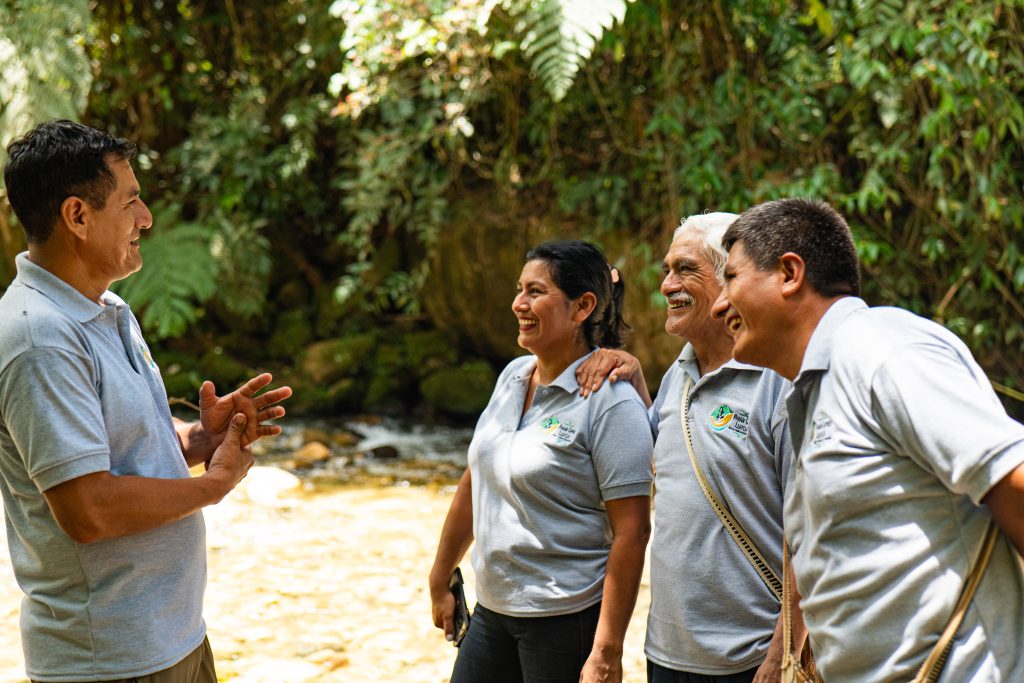
A total of 32 initiatives from the southern Amazon region of Peru have been selected by the Tropical Forests Competitive Grant Fund, mobilizing approximately S/ 14.7 million to support actions aimed at forest conservation and strengthening the livelihoods of communities dependent on these ecosystems.
The winning initiatives are spread across six regions of the country: 20 will be implemented in Madre de Dios, four in Junín, three in Ucayali, two in Cusco, two in Puno, and one in Apurímac. They are led by indigenous organizations, producer organizations, companies, concessionaires, conservation area managers, and other local stakeholders working directly in Amazonian territories.
Taken together, these initiatives are linked to landscapes comprising more than 7.3 million hectares of forests, where efforts in conservation, sustainable production, and territorial governance will be strengthened.
The selected initiatives aim to strengthen the effective management of Protected Natural Areas (PNAs), Regional Conservation Areas (RCAs), and Private Conservation Areas (PCAs), as well as to promote mechanisms for their financial sustainability, improve local governance, and foster integrated landscape management.
Added to this is the development of sustainable economic alternatives linked to value chains such as cacao, coffee, chestnuts, aguaje, huicungo, and community-based tourism, among others, demonstrating that forest protection can go hand in hand with new economic opportunities for Amazonian communities.
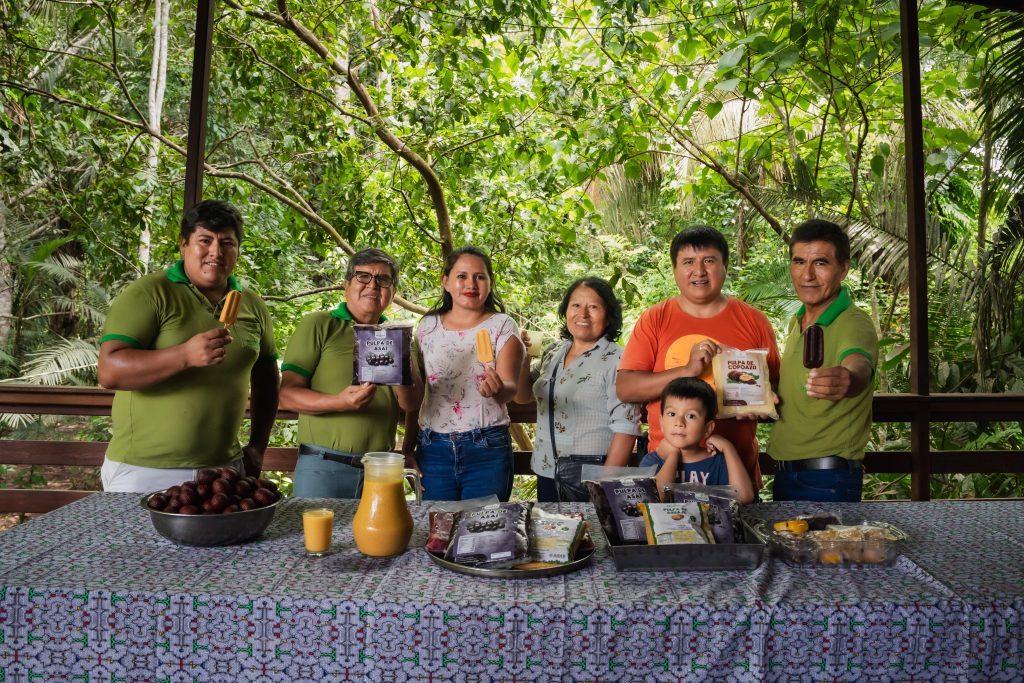
PALSAMAD – Madre de Dios: small-scale producers who work with aguaje and ungurahui, promoting the sustainable use of palm trees and the conservation of ecosystems affected by deforestation.
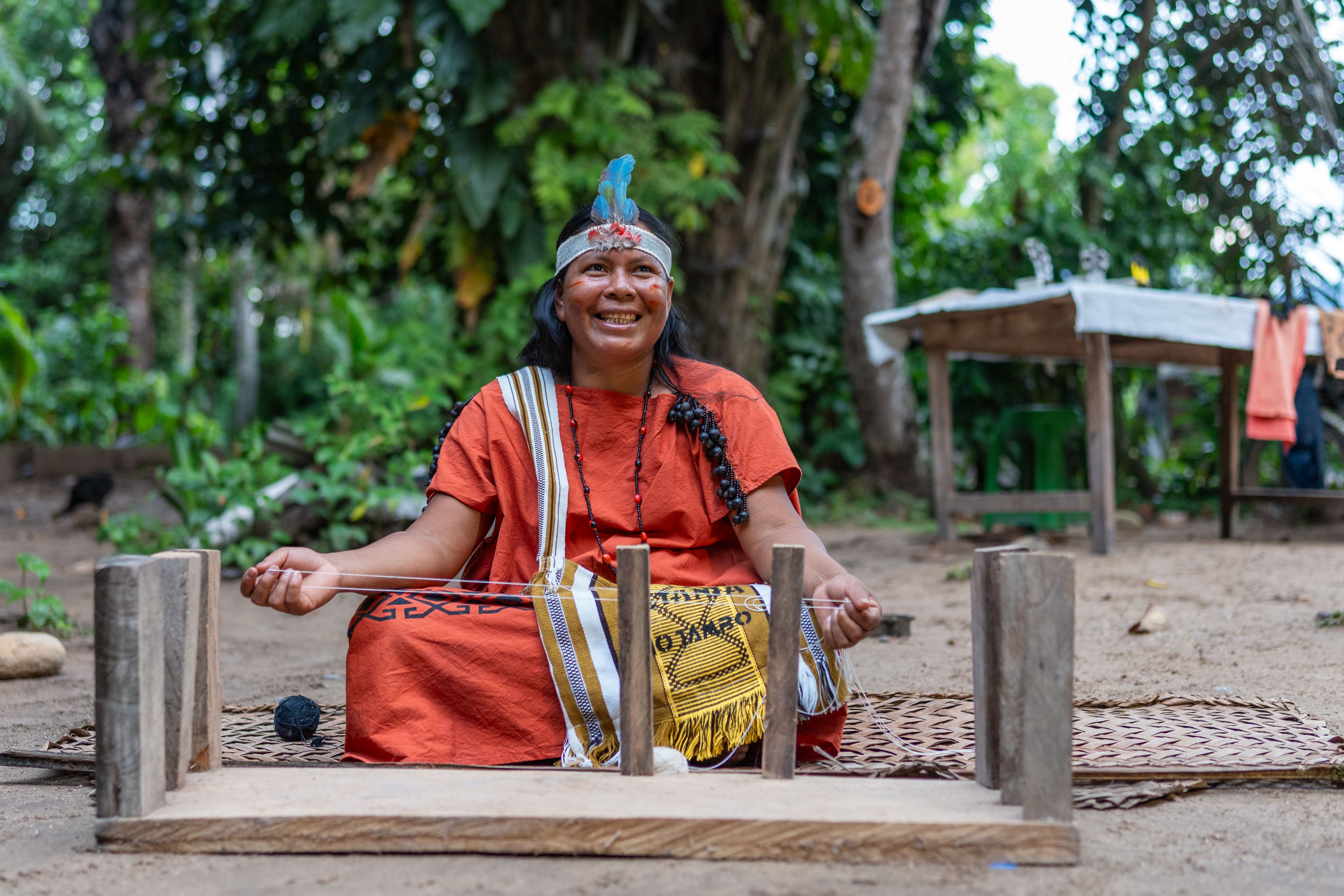
The fund also incorporates a social and territorial inclusion approach. Nearly 50% of the initiatives are led by women, and at least five are led by indigenous peoples, thereby strengthening the leading role of organizations that directly conserve and manage these territories.
Tropical Forests
Tropical Forests is part of the debt-for-nature swap agreement signed in 2023 between the governments of Peru and the United States, under the Tropical Forests and Coral Reefs Conservation Act (TFCCA), through which approximately USD 20 million is being mobilized for the conservation of the Peruvian Amazon.
This mechanism makes it possible to channel international financial commitments into resources that are directly allocated to initiatives that strengthen local capacities, promote organization and territorial governance, coordinate public, private, and community actors, and foster sustainable economies based on biodiversity.
With these first 32 initiatives, Bosques Tropicales is making progress toward achieving concrete results for the conservation of the Amazon rainforests.
The Tropical Forests Competitive Fund is represented by the Peruvian Ministry of the Environment, he National Service of Natural Areas Protected by the State (Sernanp) and the U.S. Embassy in Peru, in partnership with WCS Peru, WWF Peru, The Nature Conservancy y Conservation International Peru, and implemented by Profonanpe.