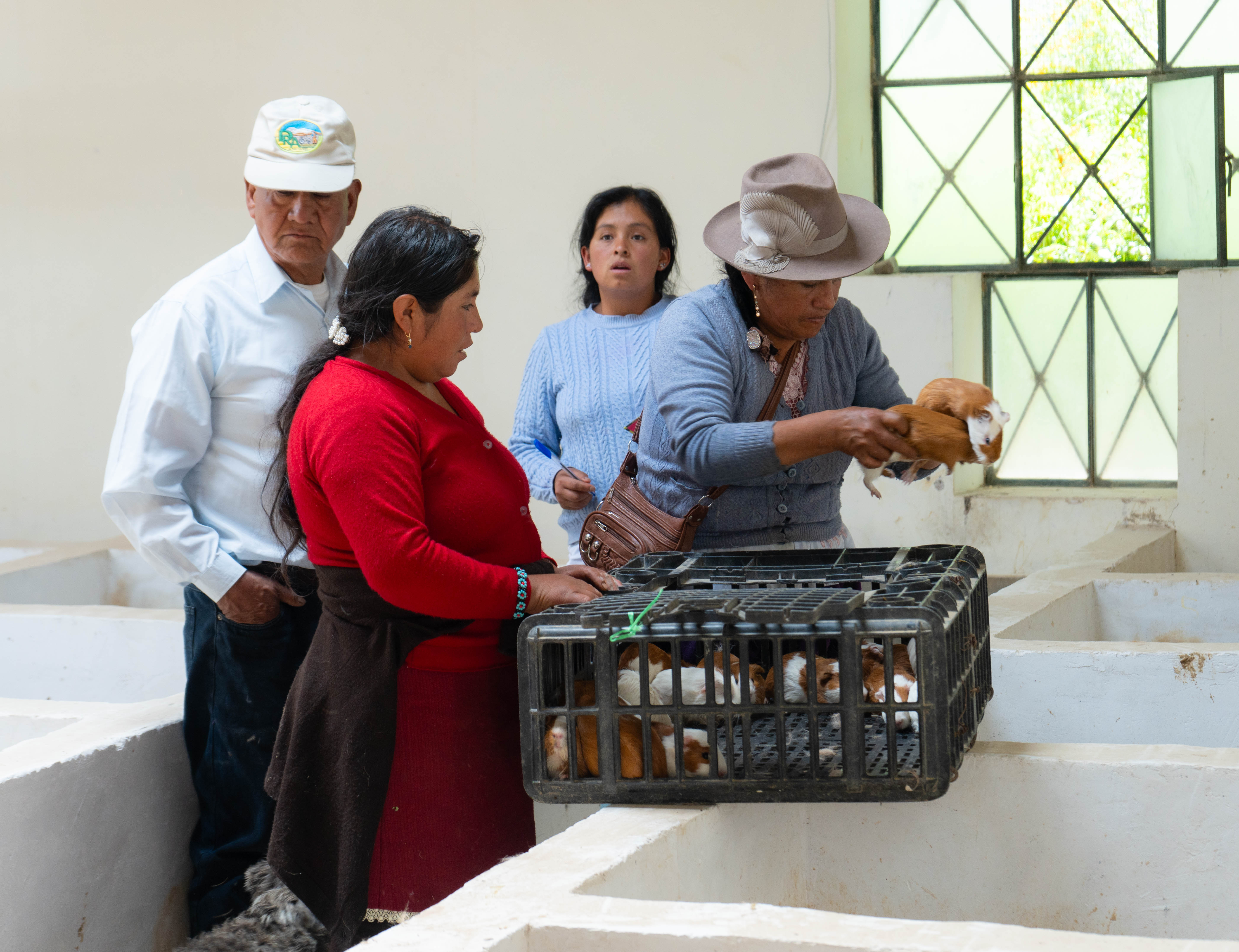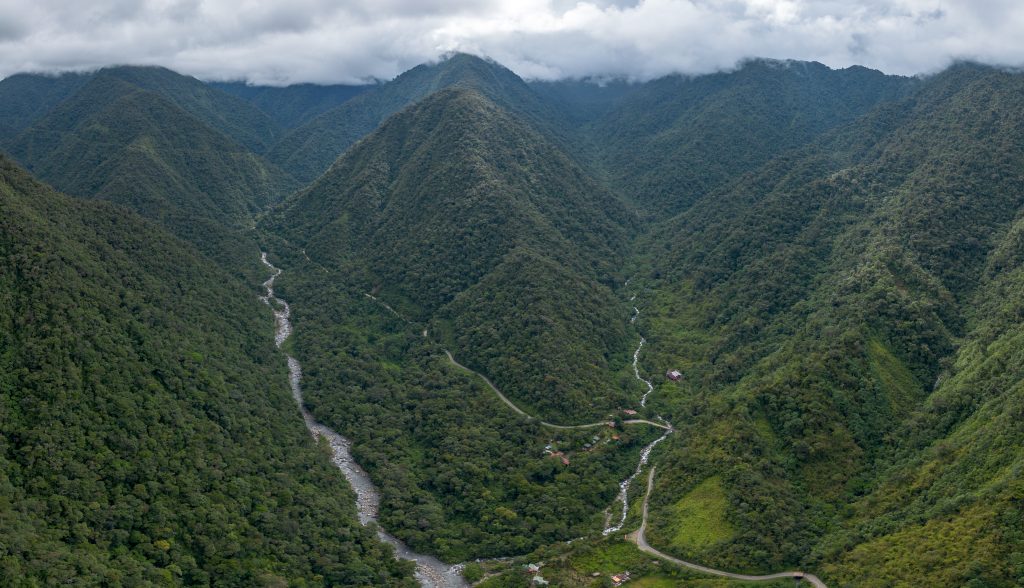
Twenty-one Amazonian bio-businesses were named winners of the second edition of the Amazon Bioinvestment Competition, organized by the EBBF Amazon Project. The selected ventures operate in sectors such as ecotourism, agroforestry production of cacao and coffee, the use of Amazonian fruits and oils, Brazil nut harvesting, and timber forest management. San Martín and Madre de Dios account for eight and seven winners, respectively, followed by Amazonas with four, and Loreto and Cusco with one each.
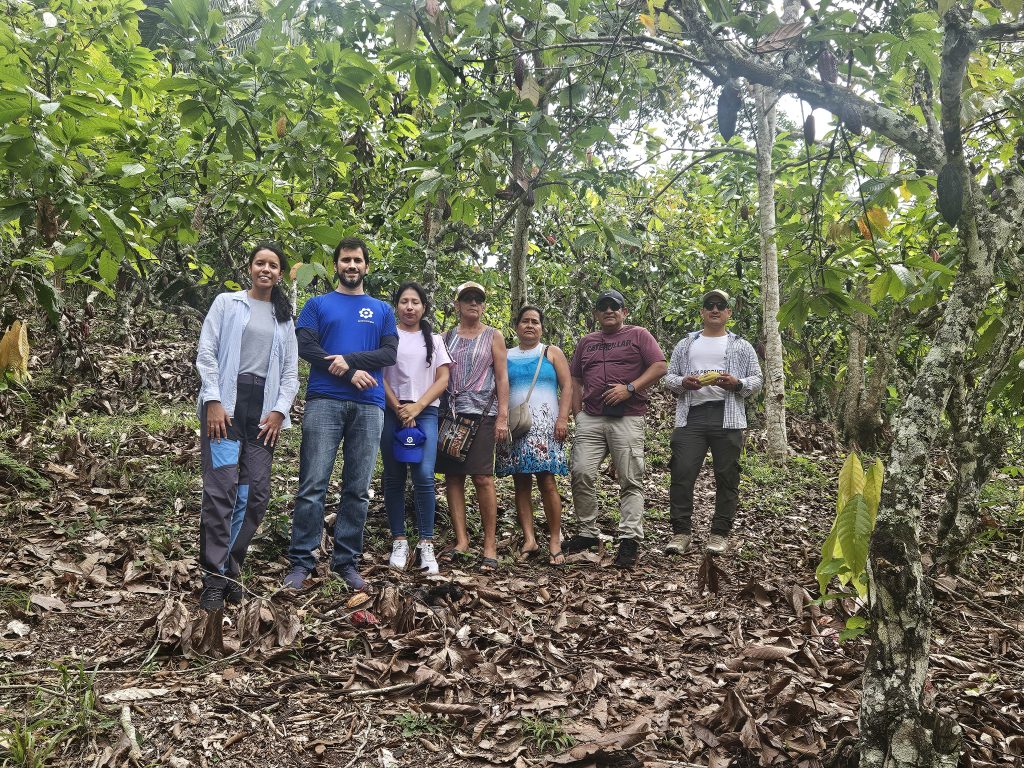
Juanjui, San Martín. Visit to the Acoindustrias biobusiness
Photo: Profonanpe
The proposals submitted aim to consolidate production models compatible with strengthening agroforestry systems for cacao and coffee with a zero-deforestation approach; technological innovation to produce ungurahui oil for the cosmetics industry in Achuar territory; the Pilluana Amazonian salt ecotourism route, and the energy transition of lodges in Madre de Dios. Other initiatives propose improving the harvesting and drying of Brazil nuts, coordinating the copoazú value chain, and implementing best practices for forest management.
The winners were approved at the sixth meeting of the EBBF Amazonía Project’s Administrative Board, which was attended by representatives of the Association of Exporters (ADEX), the Peruvian Association of Adventure, Ecotourism, and Specialized Tourism (APTAE), the Ministry of the Environment (Minam), the Ministry of Foreign Trade and Tourism (MINCETUR), the National Association of Contractors for the Management of Protected Natural Areas (ANECAP), the National Service of State-Protected Natural Areas (Sernanp), and Profonanpe.
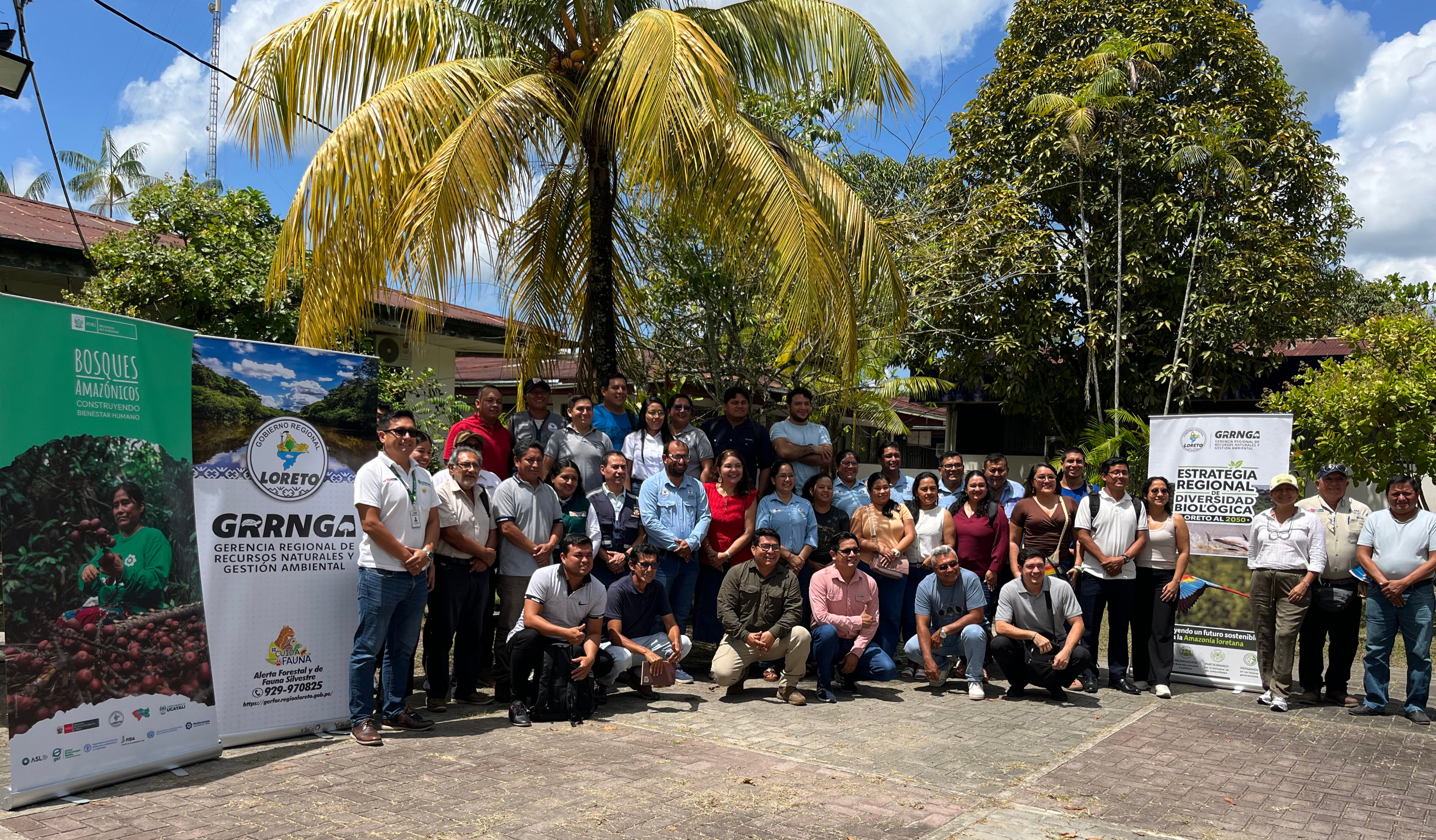
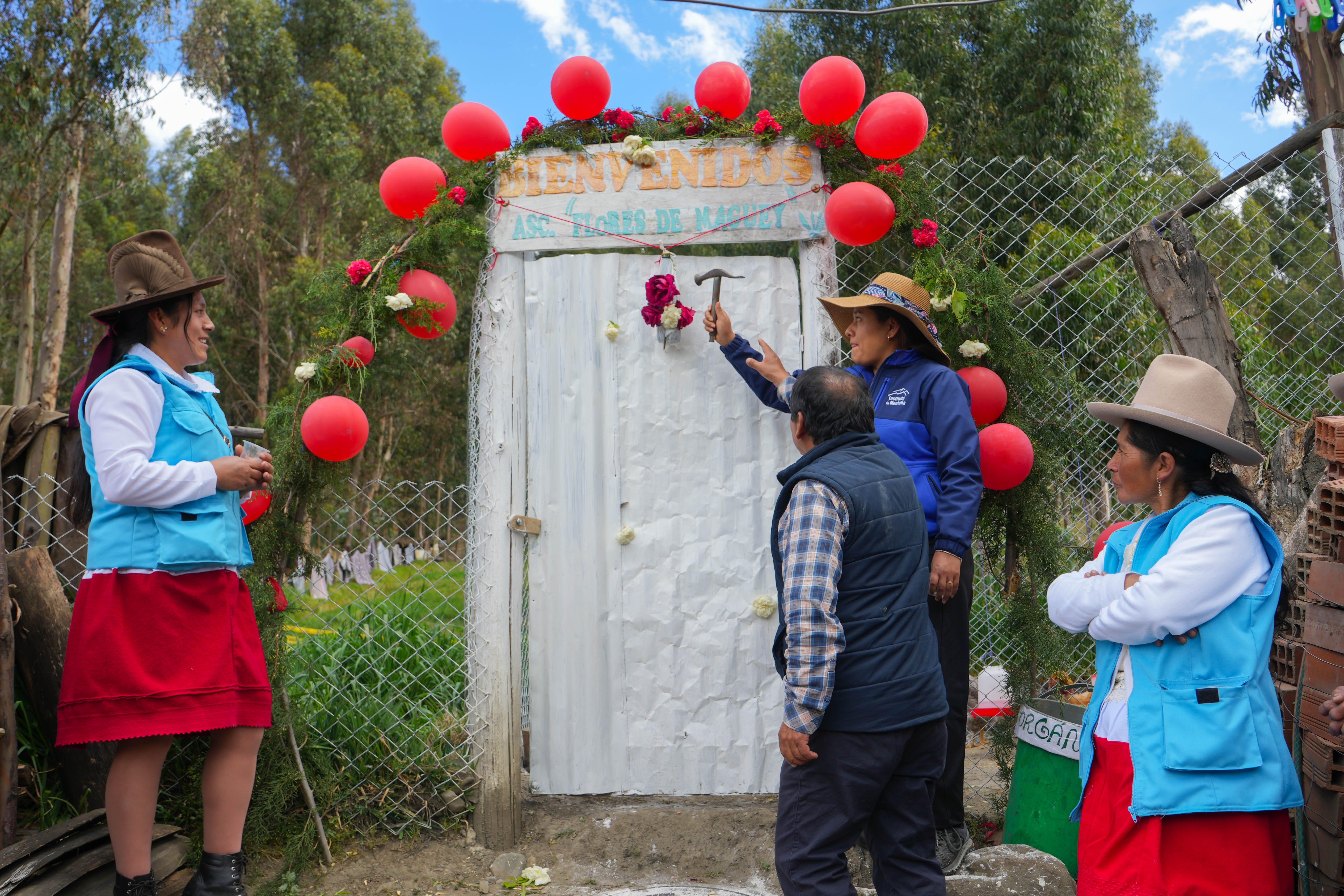
The selection process for the bio-businesses that will receive funding included a series of visits to the regions of Loreto, San Martín, Madre de Dios, and Amazonas, during which the financial viability, compliance with social and environmental safeguards, and technical soundness of each proposal—among other factors—were verified. This fieldwork confirmed the viability of the ventures and their ability to generate concrete benefits for local communities and their ecosystems.
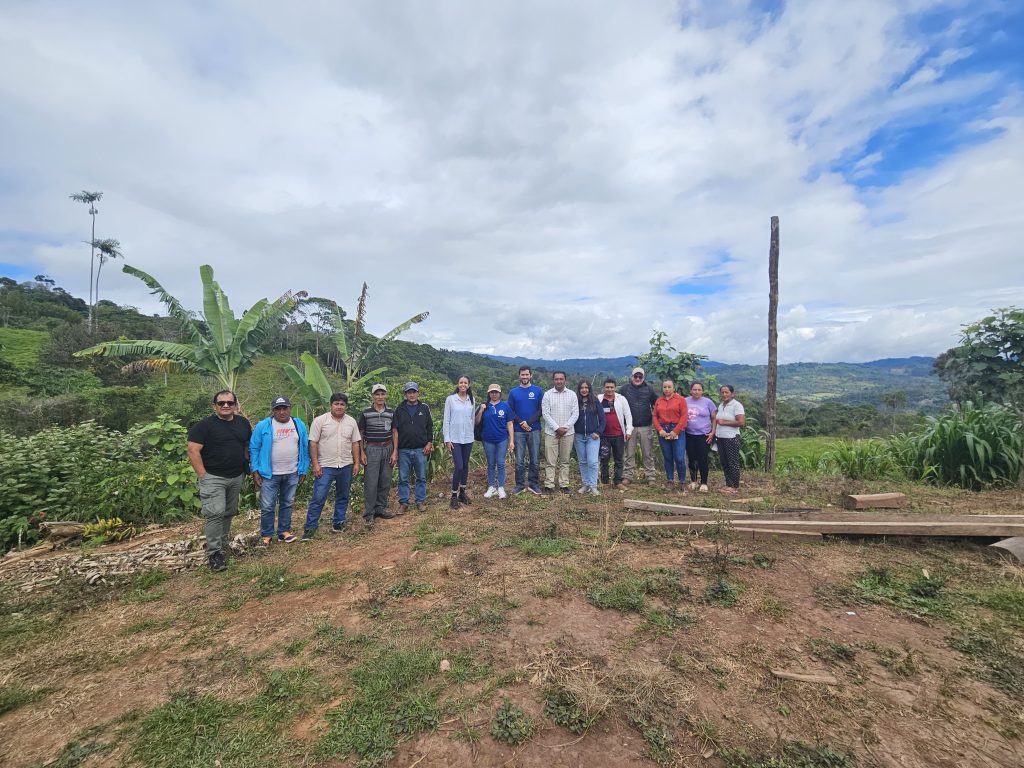
Jepelacio, Moyobamba. Due diligence visit to the Alto Rioja biobusiness
Photo: Profonanpe
“The Amazon needs companies that demonstrate that conserving the forest can also be profitable. These 21 bio-businesses are already on the right track: they generate income and jobs in their communities without causing deforestation. Our role is to support them so that this model can grow and be sustained over time.”said Kurt Rothschild, manager of the EBBF Amazonía project.
One example illustrates this continuity: the Tambopata Candamo Agricultural Services Cooperative (Coopaser) in Madre de Dios received business consulting services in the first edition of the program and is now accessing financing to export cacao under a sustainable agriculture model. The advisory program is led by NESsT Peru, the project’s innovation partner, and includes support in financial and commercial management, among other areas.
Together, these biobusinesses contribute to the goals of the EBBF Amazon project, which aims to conserve more than 81,000 hectares of Amazon rainforest over the next ten years, preventing the emission of 1.9 million metric tons of carbon dioxide (CO₂) and helping to create 550 green jobs.
Bioinversión Amazónica is a contest sponsored by the EBBF Amazon Project, implemented by Profonanpe, in partnership with the Ministry of the Environment, has NESST as an innovation partner and is funded by the Green Climate Fund.