
The project «Mala Sostenible» tiene como objetivo mejorar las condiciones de vida de las familias de la Comunidad Campesina de Mala a través de la diversificación de sus fuentes de ingresos, la promoción de econegocios, y la conservación y aprovechamiento sostenible de sus ecosistemas.

The pillars of Sustainable Mala

Mala Sostenible promotes local development through its five components

Tourism
sustainable

Development of sustainable tourism activity, through the diversification of the district's tourism offer.

Development
productive

Development of productive, profitable and environmentally sustainable activities that generate additional income for families.

Exploitation
solid waste

Improving solid waste management through an economic activity based on the use of reusable and recyclable waste, in order to generate additional income for families.

Water
Potable

Provision and improvement of the drinking water service for the Mala Peasant Community.

Project Management

Tracking, monitoring, technical assessments, safeguards and communications.

Strategic Alliance for Sustainable Development in Mala

Compañía Minera Condestable and Profonanpe signed a framework agreement to develop projects that will primarily benefit the Mala Peasant Community, respecting the environment and promoting economic growth in the area. This strategic alliance seeks to promote initiatives that generate a positive and lasting impact, integrating social development and ecological preservation to improve the quality of life for the local residents.

Impact on families in Mala

The project is being developed in the area of direct influence of the Condestable Mining Company, and therefore seeks a tangible, real and measurable impact, mainly on the Mala Peasant Community.
We strengthen income diversification and the implementation of sustainable practices to transform the community into a model of comprehensive and equitable rural development.
Promoting new economic opportunities to encourage the conservation of their ecosystems and strengthen skills and knowledge that increase their resilience

What have we achieved?

Triple-impact eco-businesses: economic, social and environmental

Association of Eco-producers of
Derivatives of Maleño Bananas (ECODEP)

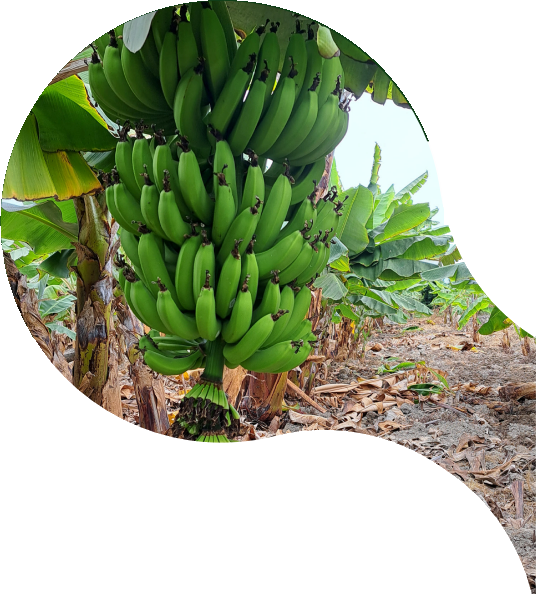
More than 22,000 bananas from Isla Maleño were prevented from rotting due to lack of market, thus avoiding the generation of greenhouse gases.
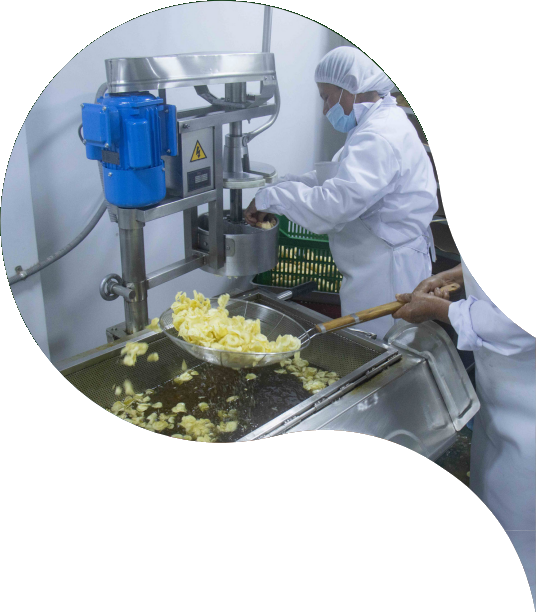
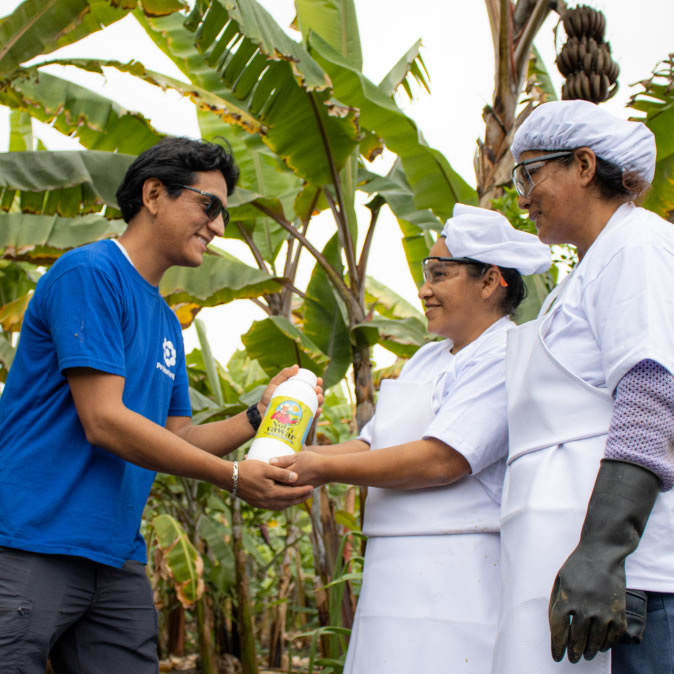
Through seed capital, as non-refundable funds, the project provided equipment and infrastructure to the ECODEP association.

10
participants

100%

women

1

record
sanitary

1

brand
created

2,946 KG

Plantain chips
produced

11,300 kg

banana
used

11.4

tons of
CO2 avoided

1,077 L

of oil
recycling

Association of Producers of
Mala Biofertilizers (PROBIMA)

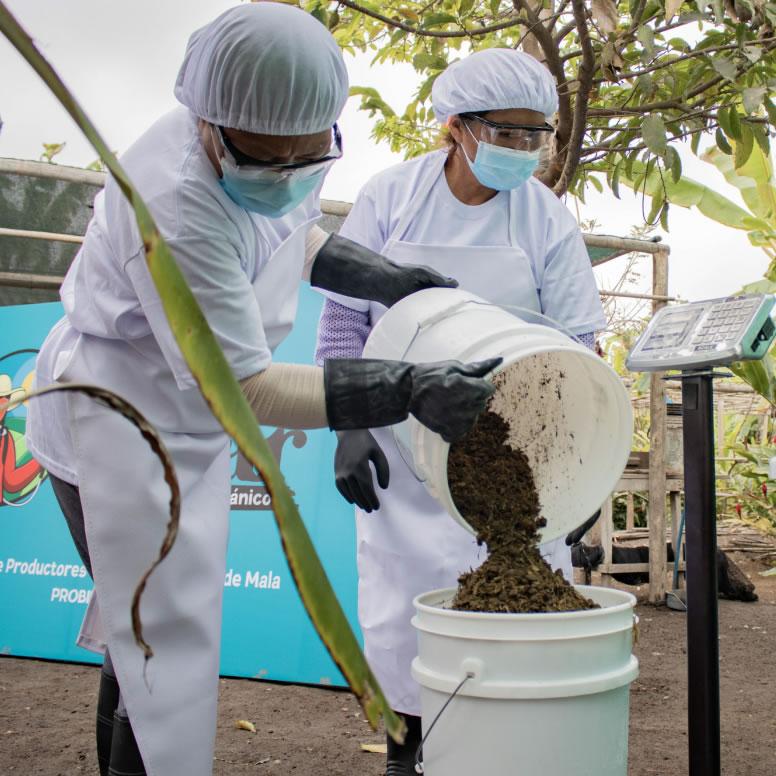
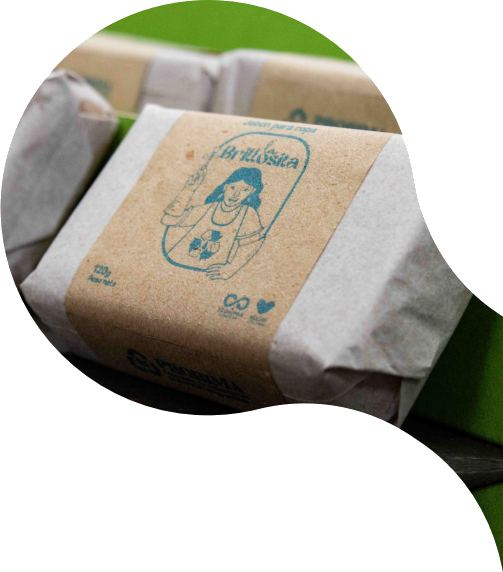
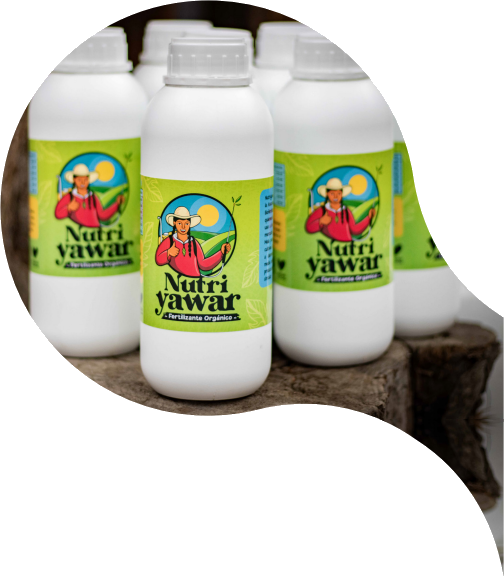
With the production of biofertilizer, More than 1,148 kilos of meat waste, goat excrement, fish viscera, and bovine blood were prevented from being wasted. end up in the municipal dump or in the Mala River.

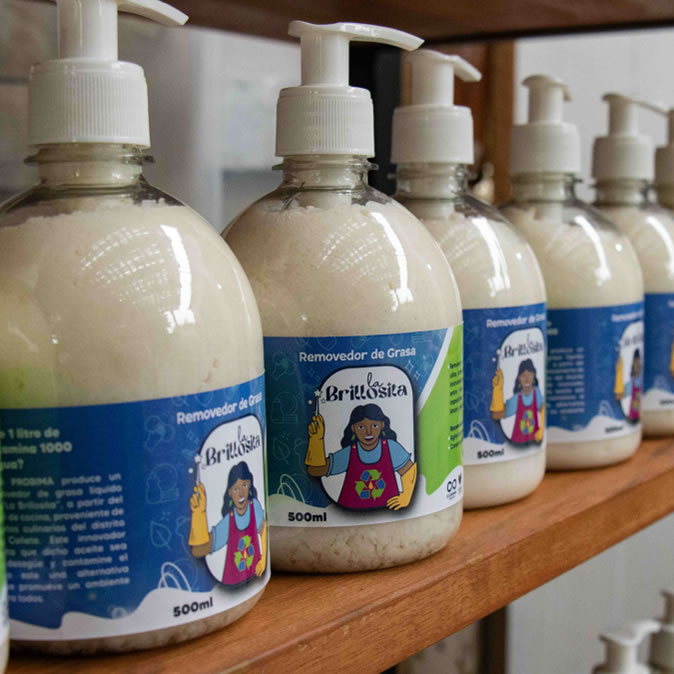
With the production of dishwashers and soaps, 348 liters of waste oil were prevented from being poured down the drain and that they contaminate more than 348,000 liters of water.

With the production of biofertilizer 417 liters of blood were used, preventing the contamination of 20.8 million liters of water. Furthermore, the product was analyzed by the National Agrarian University La Molina.

Through seed capital, such as non-refundable funds, The project provided the PROBIMA association with equipment and sustainable infrastructure.

12

participants

83%

women

2

brands
created

2,890 L

biofertilizer
liquid
produced

2,423 L

of remover
fat

2,884

units of
soaps produced

1,148 KG

waste
opportunists

21,198.000

liters of water no
contaminated

96 KG

biofertilizer
pelletized
produced

Organic Bioconversion Association for the
Organic Protein Production with Technology
Integrated and Environmentally Aware – BIOPROTEIC

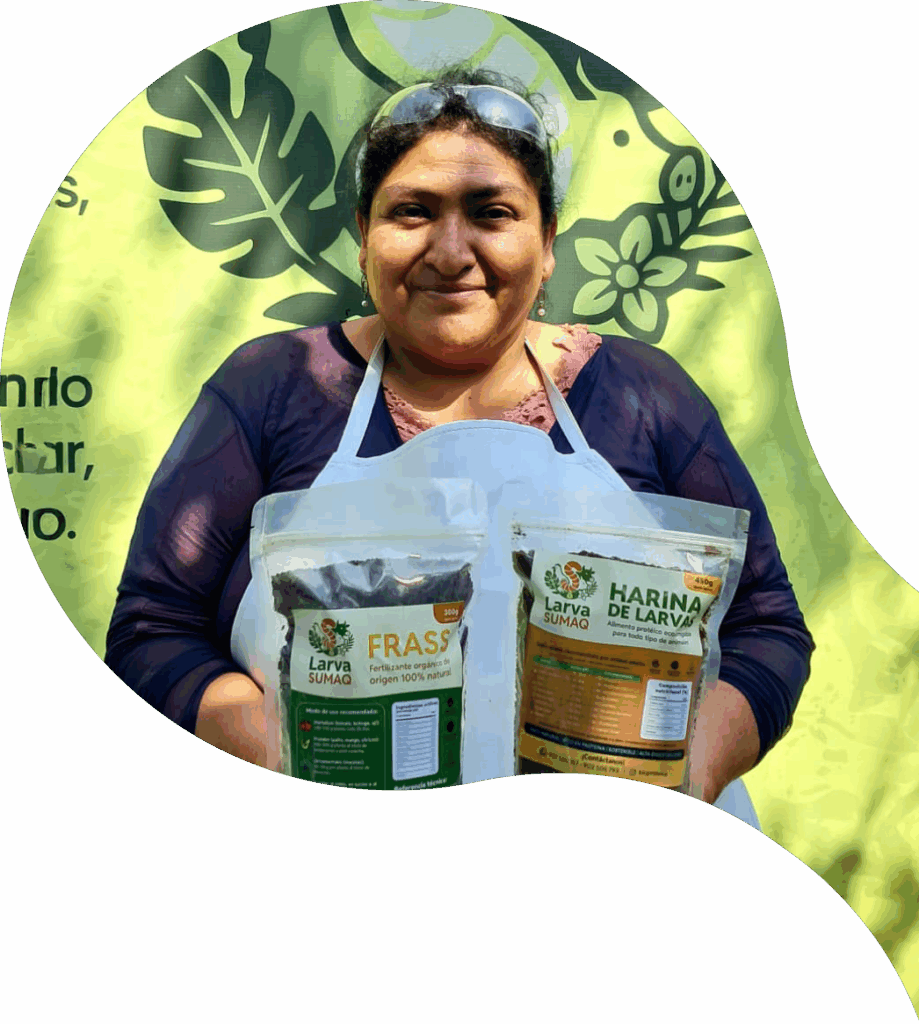
Con la producción de frass y harina de larvas de mosca soldado negro, se aprovecharon 13,184 kg de residuos orgánicos recolectados del mercado municipal de Mala.

Utilizados como alimento para las larvas, las cuales consumen grandes volúmenes diariamente. 

Contribuyen a reducir la carga de residuos sólidos, transformando un problema ambiental en una oportunidad.

Ambos productos fueron analizados y validados por la Universidad Nacional Agraria La Molina, demostrando que el frass mejora la fertilidad del suelo como abono orgánico, mientras que la harina de larva funciona como insumo proteico para la alimentación animal, rico en proteínas, grasas y minerales.

8

beneficiarios

1

marca creada

167 KG

de harina de larvas
de mosca soldado negro

820 KG

de frass abono
orgánico

13.1 T

de residuos orgánicos
opportunists

13.3 T

de CO2
evitado

La Asociación de Mujeres por la
Economía Circular – AMEC

En el Perú se generan aproximadamente 3 mil millones de bolsas plásticas al año, muchas de las cuales terminan contaminando ríos y mares.

Donde pueden permanecer por más de 400 años y degradarse en microplásticos que afectan la biodiversidad. Frente a ello, se impulsa una iniciativa que da una segunda vida a estas bolsas.

Transformándolas en carteras, billeteras, monederos y neceseres comercializados bajo la marca “Tikray”, término quechua que significa “transformar”.

Durante su proceso de producción, esta asociación ha aprovechado 15 kg de plástico, evitando que llegue a mares, ríos y botaderos.

15

beneficiarios

1

marca creada

15 KG

de plástico
aprovechado

50 KG

de CO2
evitado

Sendero Maleño

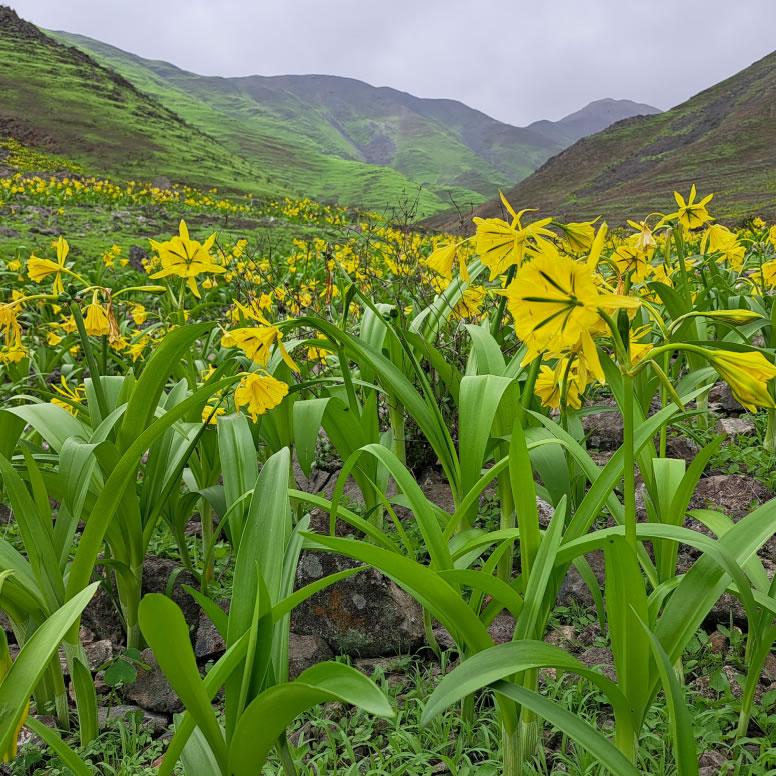
26 recursos turísticos registrados en el inventario oficial del MINCETUR. Además, 5 atractivos cuentan con el distintivo internacional TUR4ALL, certificando su accesibilidad universal.

Planificación turística

Diseño de herramientas clave para el sector: el Plan de Desarrollo Turístico Local 2025–2029 y el Perfil del Visitante Maleño, orientados a una gestión estratégica del destino.

Econegocios sostenibles

Puesta en marcha de 4 econegocios que generan ingresos directos para más de 50 familias, promoviendo la producción local con valor agregado.