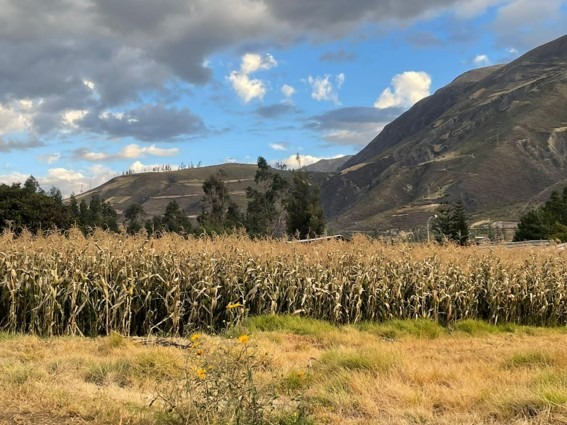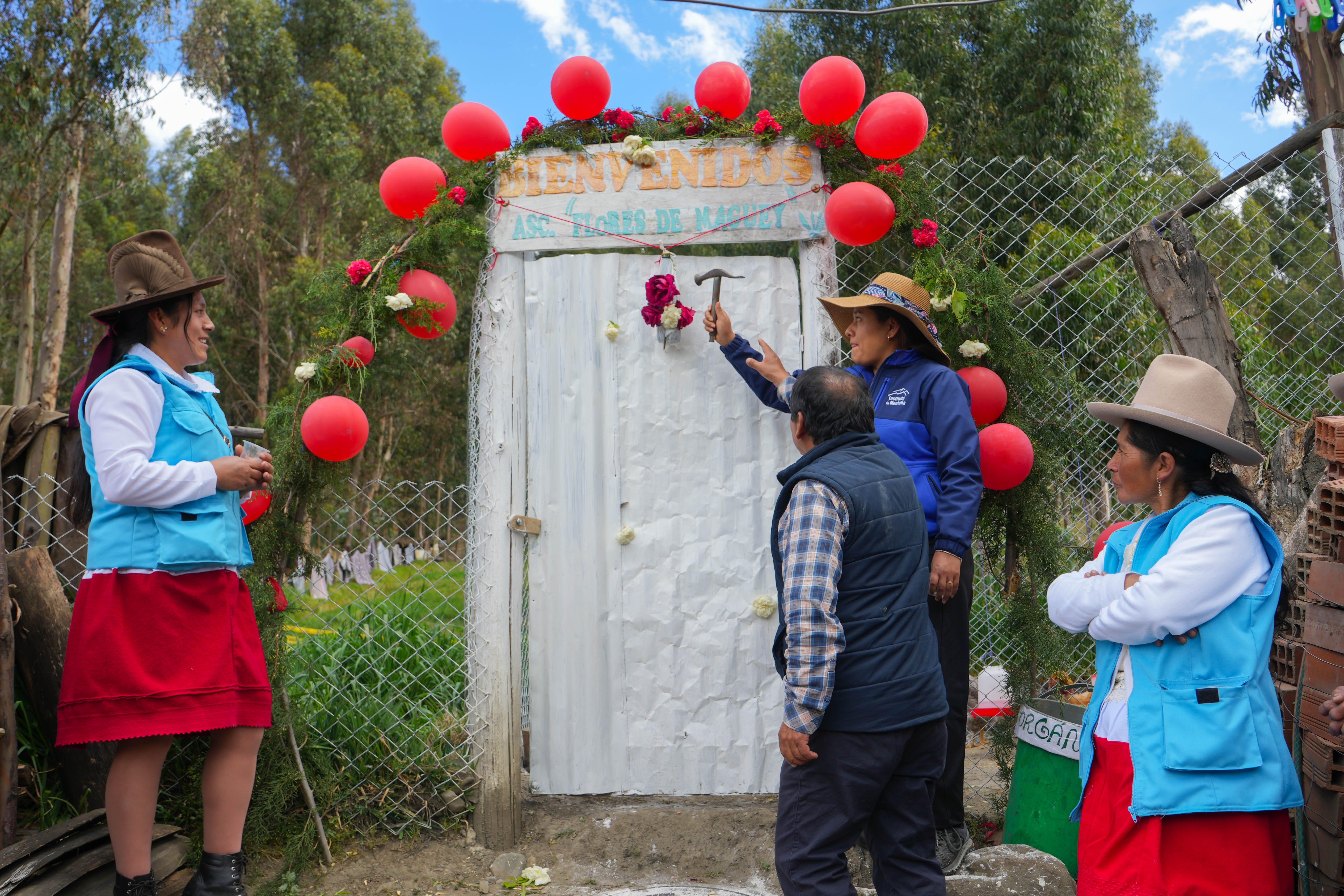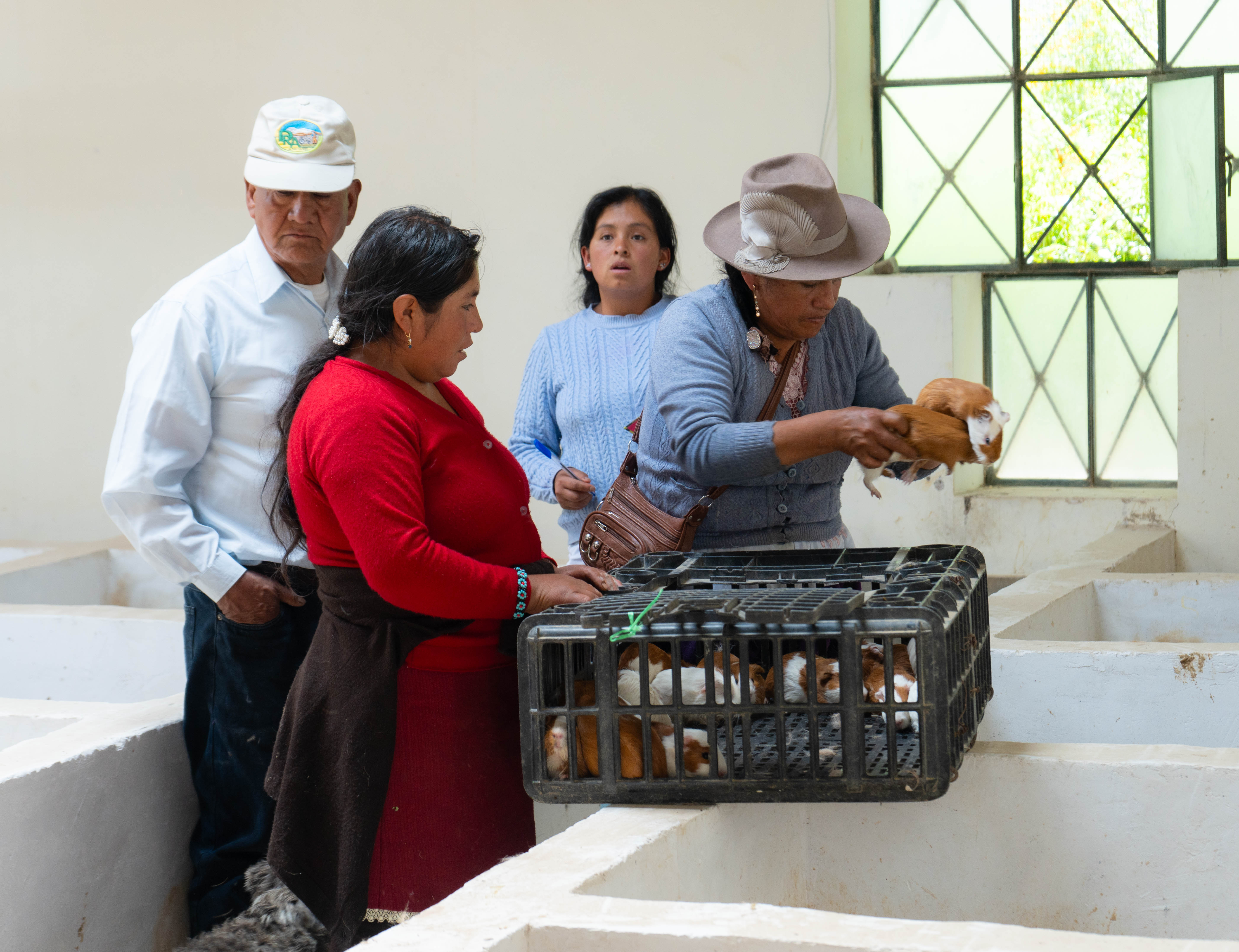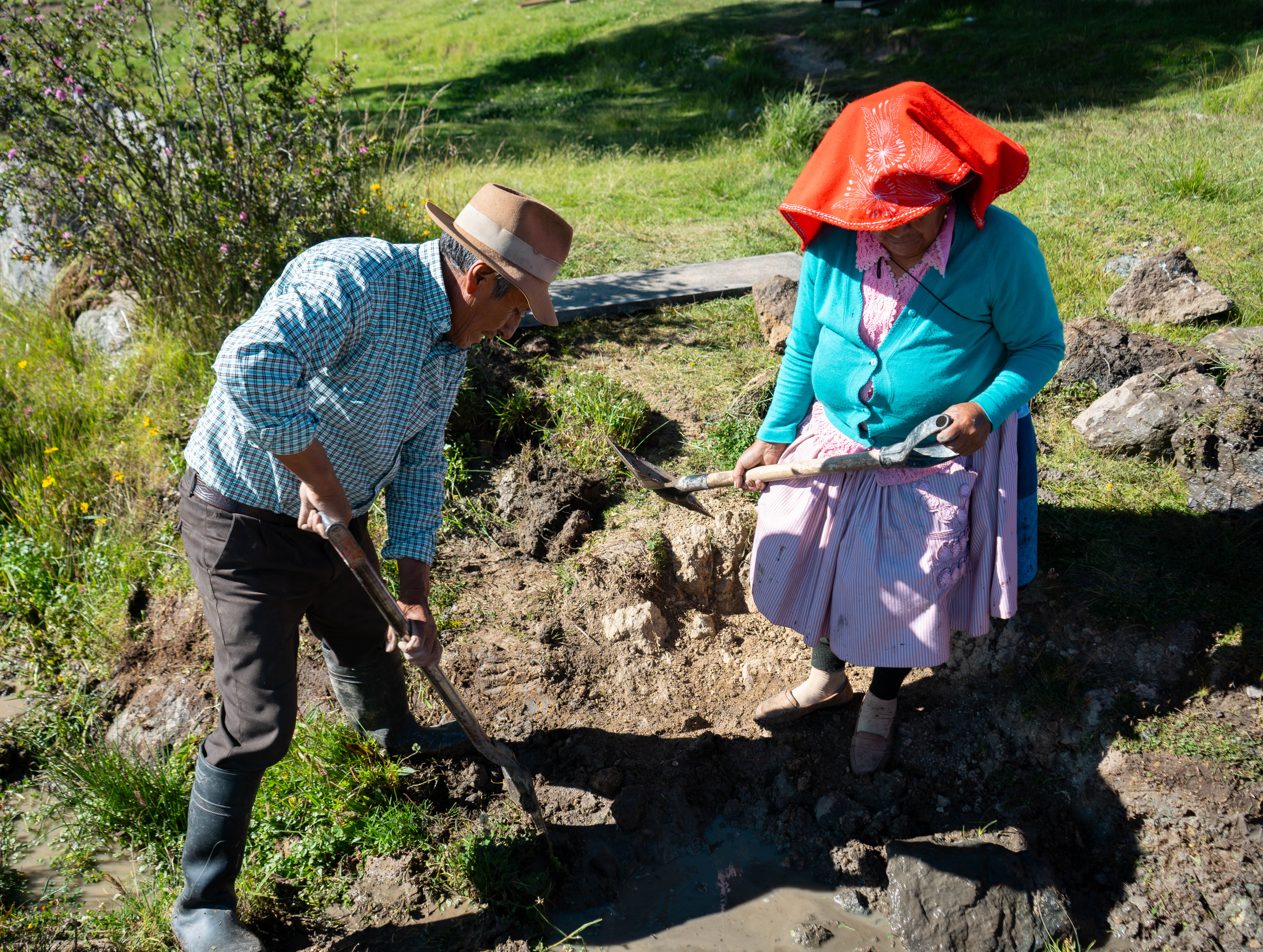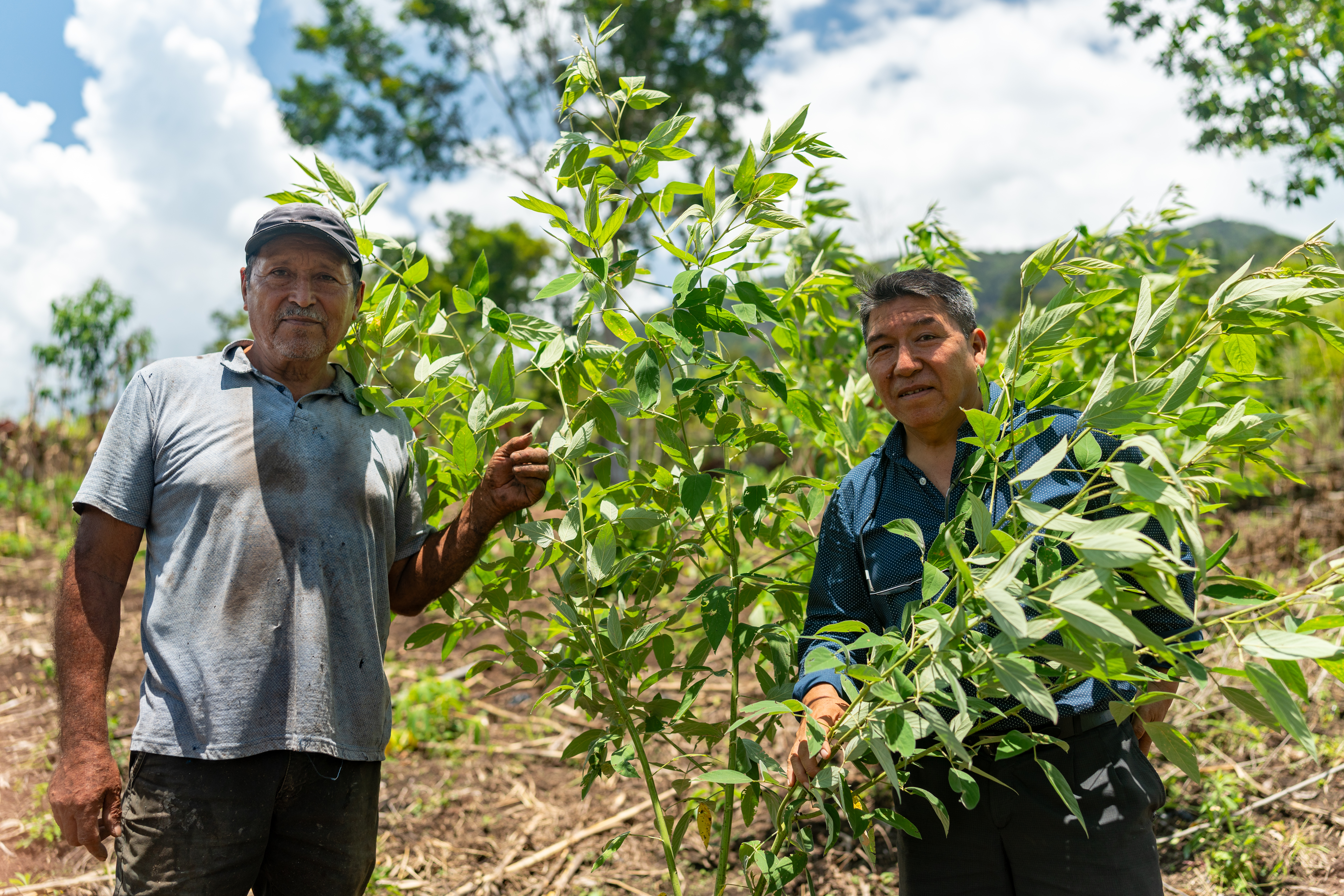
With 3 million soles in funding provided by the Puna Competitive Fund as part of the Resilient Puna project, communities and producer associations are implementing conservation measures to address the effects of climate change in Yanque (Chalhuanca), Choco, Cotahuasi, San Antonio de Chuca, and San Juan de Tarucani in the Arequipa puna.
Through the “Puna of Opportunities” campaign, stories are being collected from seven communities and associations that are combining their ancestral knowledge with technology to implement measures that will enable them to adapt to climate change and strengthen their production chains, such as those for camelids (alpaca, llama, and vicuña) and crops (quinoa and tarwi).
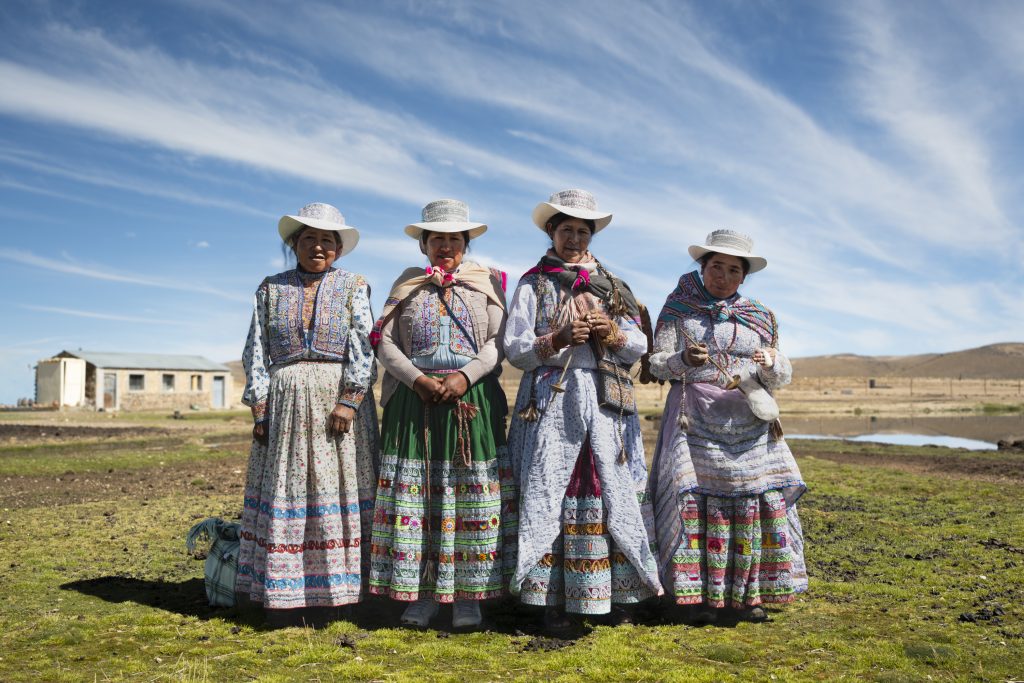
Among these stories, the associations of alpaca herders led by women such as Jewel of the Colca and that of The Kollawas, who are strengthening their economies through the creation of qochas, the conservation and restoration of bofedales, and the management of grasslands that are resilient to weather events such as droughts, frosts, or heavy rains. They are also strengthening their economies through handicrafts.
The association also highlights Colca Camel, which has become a leader in the sale of alpaca fiber in the region. Currently, there are 140 members who manage 25,000 hectares for the breeding and marketing of alpaca fiber. In addition, they have a business plan funded by Agroideas currently underway, which has enabled them to finance their production chain and secure a repayable loan of S/ 300,000 from the Puna Competitive Fund.
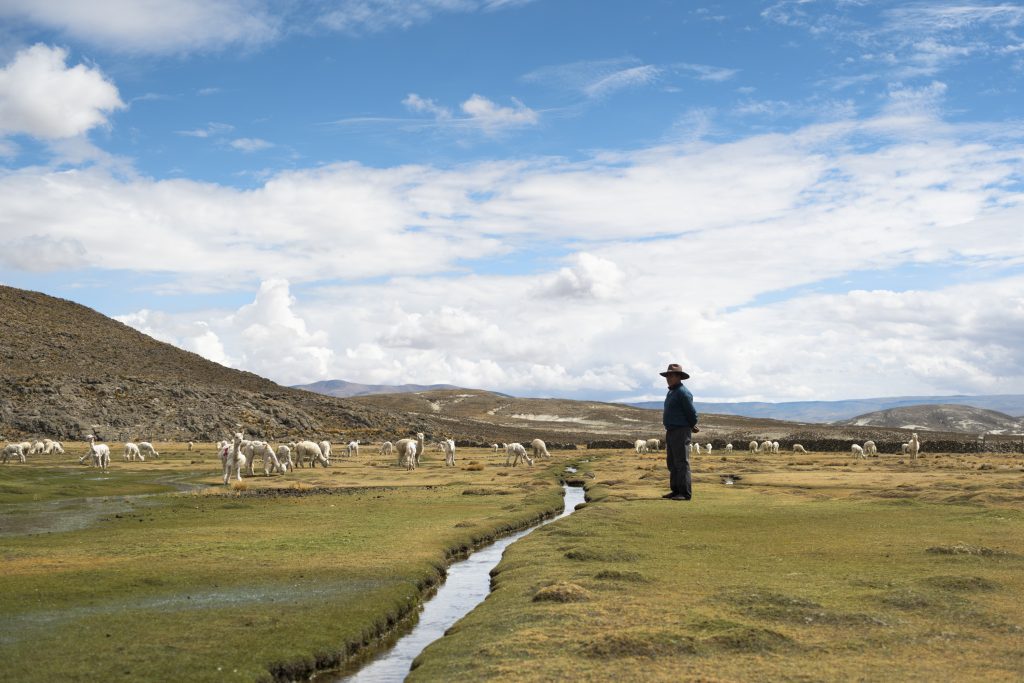
The rural community of San Juan de Tarucani is implementing measures to safeguard its water sources.
In San Antonio de Chuca, the Association for the Management and Protection of the Vicuña Arotaña Joccamayo composed of 23 families, will implement measures to ensure the conservation of the vicuña and the sustainable use of its fiber in the Salinas and Aguada Blanca National Reserve. Finally, the rural community of San Juan de Tarucani It will implement measures to conserve water resources by restoring its wet meadows using natural infrastructure, in order to boost camelid production.
These initiatives have received a non-repayable grant of approximately S/ 400,000 soles, which will be used to implement adaptation measures and provide technical assistance over the next two years, ensuring the sustainable use of resources as well as food and water security for families in the highland provinces of Arequipa.
The #PunaDeOportunidades initiative aims to recognize each of the key players and highlight the value of ancestral knowledge and the work carried out at an elevation of 3,500 meters above sea level.
Learn more about the winners' stories on the website: www.profonanpe.org.pe/puna
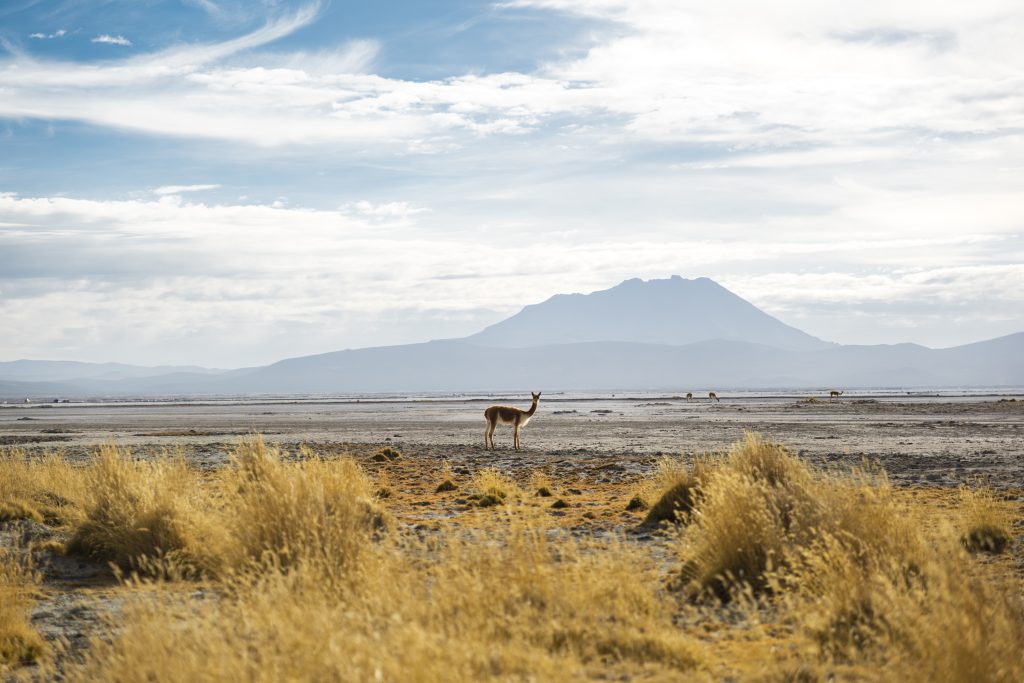
In the Salinas y Aguada Blanca National Reserve in Arequipa and its buffer zone, four initiatives funded by the Puna Competitive Grant Program are being implemented.
About the Puna Competitive Fund
The Fondo Concursable Puna is implemented by Profonanpe and is part of the Resilient Puna project. This project is a joint effort of MIDAGRI, MINAM, SERNANP, Profonanpe, the German cooperation #GIZ and the Mountain Institute, with funding from the Green Climate Fund, the Peruvian State, the German Government BMZ and the Government of #Canada.
This competition seeks to ensure the provision of water and sustainable livelihoods in the high Andean ecosystems of Peru.